Understanding Wiring Harnesses in Modern Appliances
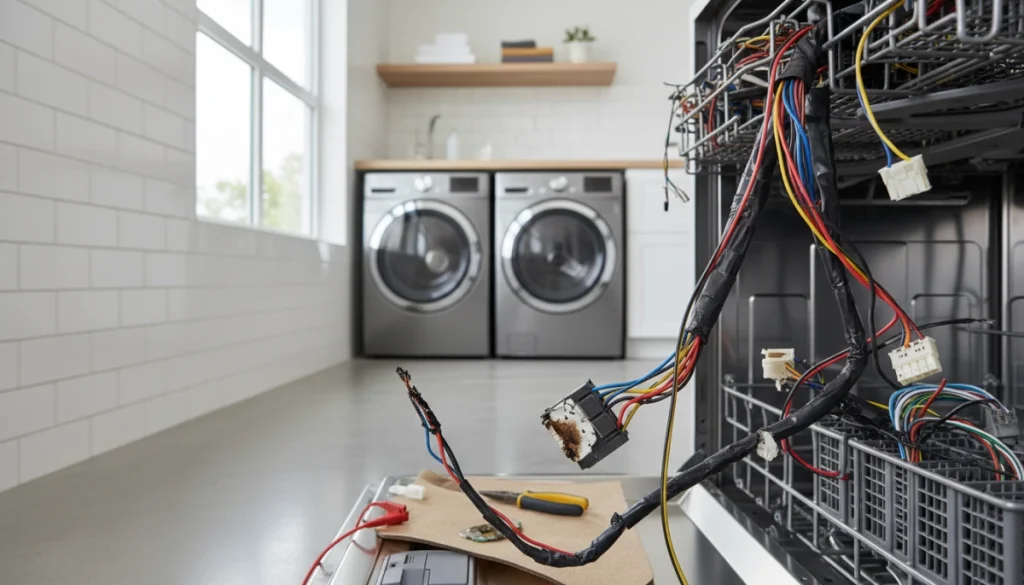
Wiring harnesses are the hidden lifelines inside your appliances. Simply put, they are bundles of wires neatly grouped together with connectors, terminals, and protective sleeving to keep everything organized and secure. These harnesses carry electrical power and signals to various parts, making sure your appliance works smoothly.
Over the years, appliance wiring harnesses have evolved tremendously. Modern appliances pack in sensors, advanced electronics, and smart features that add layers of complexity. This means more wires and connectors running through tighter spaces, increasing the chances for wiring harness problems.
Certain areas inside appliances are particularly prone to issues with wiring harnesses. These include places with frequent movement or stress, like door hinges, compressor compartments, and control boards. Moving parts often cause wire chafing or flex failures, while heat near compressors and moisture near seals can accelerate damage.
Recognizing these key spots helps when diagnosing those frustrating, intermittent appliance failures often caused by hidden wiring harness faults. Understanding what makes these wiring systems tick—and where they commonly fail—is the first step toward reliable appliance repair and maintenance.
Common Symptoms of Wiring Harness Failures
Wiring harness problems in appliances often show up as intermittent power loss or the appliance not working in certain modes. You might notice fans randomly stopping and starting, inconsistent cooling or heating, or error codes popping up without a clear reason. Other signs include overheating parts, unusual noises, or blown fuses that don’t seem to have an obvious cause.
For example, wiring issues can cause refrigerator defrost failures, leading to frost build-up or poor cooling. Washers may have trouble completing spin cycles, and ovens might experience temperature fluctuations, making cooking unpredictable. These kinds of intermittent appliance failures are usually tied to hidden electrical problems like connector corrosion or wire chafing in key areas. If you’re dealing with erratic appliance behavior, these symptoms are good clues pointing to the wiring harness.
For specific tips on troubleshooting similar fridge problems, check out this guide on how to fix a refrigerator that’s not cooling properly.
Hidden Causes of Intermittent Failures
Intermittent appliance failures often stem from hidden issues within wiring harnesses that aren’t easy to spot at first glance. One major factor is mechanical stress and vibration—wires flex repeatedly near door hinges or moving parts, causing fatigue and eventual breaks. Appliances with compressors, like refrigerators, face constant heat exposure and moisture condensation, leading to corrosion and insulation damage over time.
Another common culprit is chafing and abrasion, where wires rub against sharp edges or moving components, gradually wearing down insulation until failures occur. Problems at connectors and terminations also play a big role: loose pins, poor crimps, oxidation buildup, or connectors not fully seated can create flaky electrical contacts that trigger erratic appliance behavior.
Sometimes, the root lies in manufacturing and material defects, such as undersized wires or brittle insulation that can’t handle daily wear. Lastly, age-related degradation sets in as harness components become brittle and strained after years of use, multiplying the risk of intermittent faults.
These hidden wiring harness issues often cause common problems like refrigerator wire harness issues, wire chafing in appliances, and vibration fatigue wiring—all leading to unexplained shutdowns or error codes. Understanding these causes helps when you diagnose and repair appliance wire bundle problems before they worsen. For a detailed look at how to test wiring harness continuity, consider the useful tips in this multimeter test harness continuity guide.
Why Wiring Harness Failures Are Often Overlooked
Wiring harness problems in modern appliances are easy to miss because the wires are usually hidden inside tight spaces or behind panels. This hidden routing inside appliance cabinets makes it hard to spot obvious damage without taking things apart. Also, the intermittent nature of these failures often mimics other common issues, like faulty sensors, thermostats, or control board glitches. This overlap in symptoms leads many to overlook the wiring as the root cause.
Unlike external power cords, wiring harnesses rarely show visible damage such as frayed insulation or burn marks on the outside. Without obvious signs, it’s easy to blame other parts, even though moisture damage wiring harnesses or wire chafing in appliances are silently causing erratic appliance behavior. This is especially true in refrigerators, washers, and ovens where intermittent appliance failures might hide within wire bundles concealed at door hinges or near compressors.
Understanding that these hidden electrical problems appliances present is a key step in proper diagnosis and repair. For example, issues like connector corrosion refrigerator owners face behind panels are rarely caught on quick visual checks. Knowing to look deeper can save time and frustration over repeated appliance faults. For additional insight into related appliance wiring issues, check out our tips on why your refrigerator door won’t close properly.
Step-by-Step Diagnosis Guide for Wiring Harnesses
When dealing with intermittent appliance failures, safety comes first. Always unplug the appliance and discharge any capacitors before starting your inspection—this prevents electric shock and damage. For guidance on safely discharging capacitors, check out this detailed capacitor discharge protocol.
Start with a close visual inspection: look for frayed insulation, burnt spots, corrosion (especially in connectors prone to moisture damage), or loose terminals. Pay extra attention to areas near door hinges or compressor zones, where wiring harness problems often hide.
Next, perform a flex test by gently bending or twisting sections of the harness while the appliance is powered on. This can reveal wire chafing or vibration fatigue causing intermittent power loss or erratic appliance behavior.
Use a multimeter to check continuity and resistance across suspect wiring bundles. Low or fluctuating readings may point to partial breaks or bad crimps. It’s helpful to isolate circuits using the appliance’s wiring schematics, making it easier to test segments individually and pinpoint wiring faults.
Essential tools include a multimeter, wire strippers, and insulated screwdrivers. Know when to stop DIY work—if issues persist or if harness replacement seems necessary, it’s best to call a professional. For a full list of recommended tools to diagnose appliance intermittents, refer to this tool checklist for home appliance repairs.
Following these steps gives you a reliable path to uncover hidden electrical problems in appliances and fix wiring harness issues before they lead to bigger failures.
Repair and Replacement Options
When dealing with appliance wiring harness problems, repairs range from simple fixes to full replacements. Here’s a quick guide to help you decide the best route.
Minor Fixes
- Clean connectors: Remove corrosion or dirt from pins and terminals to restore good contact.
- Reseat plugs: Unplug and firmly reconnect to ensure a solid connection.
- Splice damaged wires: Cut out frayed or broken sections and join with solder or quality crimp connectors.
These quick fixes often solve intermittent faults caused by poor connections or corrosion without needing full harness replacement.
Full Harness Replacement
Sometimes minor fixes won’t cut it, especially with:
- Broken wires inside the bundle
- Brittleness or insulation failure
- Persistent intermittent failures after repairs
When to replace:
| Situation | Recommendation |
| Multiple wires damaged | Replace entire OEM harness |
| Age-related degradation | Opt for new manufacturer’s part |
| Unavailable repair parts | Sourcing OEM or compatible harness |
OEM parts guarantee fit and durability, while third-party options may be cheaper but vary in quality.
Professional vs. DIY Repairs
| Factor | DIY | Professional Repair |
|---|---|---|
| Cost | Lower | Higher, but includes warranty |
| Tools Needed | Basic multimeter, wire strippers | Specialized tools and diagnostic gear |
| Warranty | Usually voids manufacturer’s warranty | Maintains appliance warranty |
| Risk | Possible further damage if inexperienced | Reliable, quicker diagnosis and fix |
For complicated or warranty-covered appliances, it’s smart to consult a pro. Learn about when to call a professional for appliance repair to avoid costly mistakes.
Preventive Upgrades to Avoid Repeat Failures
- Add strain relief: Secure harnesses near hinges or moving parts to reduce flex fatigue.
- Use protective sleeving: Extra insulation to guard against abrasion and moisture.
- Improve routing: Reroute wires away from heat sources or sharp edges.
These upgrades help extend the lifespan of your appliance wiring and reduce future intermittent appliance failures.
Proper repair methods and timely harness replacement are key to fixing hidden electrical problems appliances often experience. Use the right tools, parts, and methods to get lasting results.
Prevention Strategies for Long-Term Reliability
Preventing wiring harness problems starts with proper installation and routing during any repairs or upgrades. Keeping wires neatly bundled and away from sharp edges or moving parts reduces the risk of chafing and flex failure, around door hinges and compressor areas. Avoiding tight bends and securing connectors well can also prevent early wear caused by vibration fatigue wiring.
Regular maintenance plays a big role in extending appliance lifespan. This includes cleaning condensate areas where moisture damage wiring harnesses is common, and checking all electrical connections for corrosion or looseness. For appliances prone to humidity, using techniques like humidity control in laundry rooms can help prevent hidden electrical problems appliances often face. These small steps reduce the chance of intermittent appliance failures and erratic appliance behavior.
Environmental protections like applying sealants or moisture barriers, especially in humid or wet environments, can protect wiring harnesses. Choosing quality replacements for damaged wires or connectors, rather than generic parts, also ensures better durability and fewer appliance wiring harness problems down the line. Additionally, avoid overloading circuits to keep the electrical system running smoothly and reliably.
For more tips on keeping your appliances in top shape, check out our guide on humidity control in laundry rooms and general tips to extend appliance life.
By following these prevention strategies, you can reduce intermittent failures caused by wiring harness issues and keep your appliances running trouble-free for years.