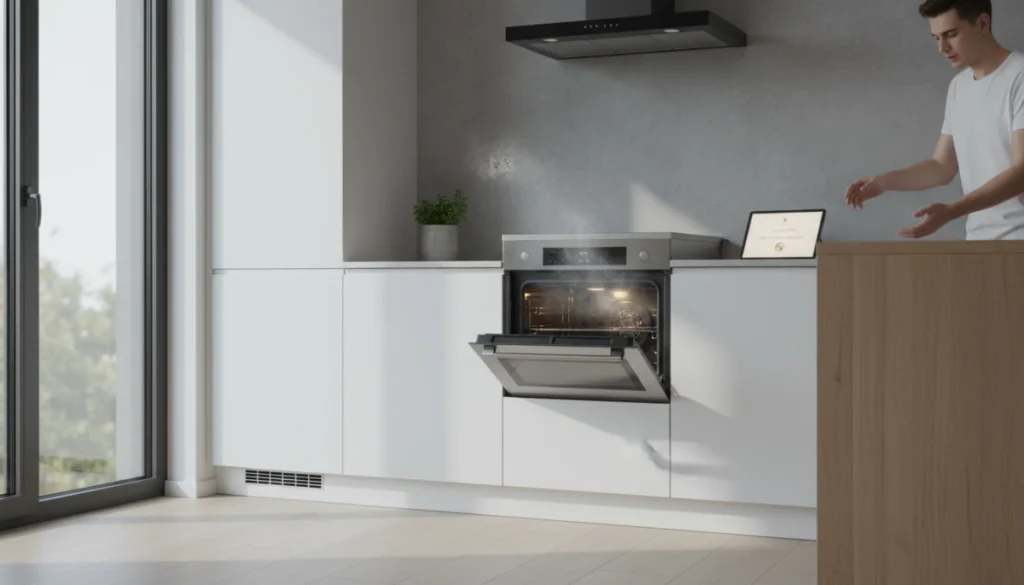
Ever noticed that your oven smells like burning dust on first use each season? It’s a familiar scene—turning on the oven for the first time after months of downtime, only to be greeted by a strange, smoky odor. The good news? This burning dust smell is usually harmless and stems from dust buildup on the heating elements during those off-months. In this post, you’ll get a clear explanation of why this happens, how to quickly get rid of the smell, and simple steps to prevent it next season. Let’s get your kitchen smelling fresh and ready for baking!
The Main Cause: Dust Burning Off the Heating Elements
When your oven sits unused for months, dust naturally settles on the heating coils, racks, and interior surfaces. This buildup is harmless but becomes noticeable when you turn the oven on. As the heating elements warm up, they burn off this layer of dust, creating that familiar oven burning smell on first use each season.
Here’s why:
| Dust Buildup Location | What Happens When Heated | Resulting Smell |
|---|---|---|
| Heating coils and elements | Dust burns off at high temperature | Sharp, dusty burning odor |
| Oven racks and surfaces | Dust and lint catch fire briefly | Smoky, musty smell |
| Interior walls and vents | Residue heats up and vaporizes | Slight, lingering dusty scent |
This smell is often stronger in electric ovens, where coils are exposed and dust directly burns off. Unlike a new oven smell, which is caused by manufacturing residues or coatings, the burning dust odor is simply a sign of seasonal reactivation.
With regular use, this smell fades quickly as the dust is fully burned away and the oven interior reaches a clean, stable temperature.
Is This Burning Dust Smell Normal and Safe?
Yes, the burning dust smell when you first use your oven each season is quite common and usually harmless. This dusty odor from oven preheat happens because the accumulated dust on the heating element or coils burns off once heated, releasing that distinct smell. Typically, this smell lasts only a short time—often fading after 10 to 30 minutes of use.
While the burning dust smell is generally safe, it’s a good idea to ventilate your kitchen well during the first preheat to clear out the odor quickly. Opening windows or turning on an exhaust fan helps speed up the process and reduces any potential irritation. This is especially important for households with pets, young children, or anyone with respiratory sensitivities, as the smell could cause mild discomfort.
If your oven’s burning dust odor lingers unusually long or intensifies, it might indicate another issue worth checking. But in most cases, this seasonal oven smell is a normal part of long-unused ovens heating up again.
Other Possible Causes of a Burning Smell in Your Oven
While the main reason your oven smells like burning dust on first use each season is dust burning off the heating elements, other causes can produce a similar burning odor. Food residue and grease left from previous cooking can burn off when the oven heats up, creating a strong, unpleasant smell. Forgotten items like foil, plastic utensils, or food packaging accidentally left inside can also melt or burn, adding to the odor.
Electrical issues may cause burning smells too. Faulty wiring or overheating components inside the oven can emit a chemical or burnt plastic scent. If the smell is sharp or persistent, it’s important to check for electrical problems to avoid hazards—refer to guides on oven troubleshooting and repair for steps to inspect and fix these issues safely.
Gas ovens have different burning smells compared to electric ones. A faint sulfur or rotten egg smell might indicate a gas leak, which is dangerous. If you detect this type of odor, turn off the gas supply immediately and contact a certified technician. Unlike the normal dusty odor during seasonal first use, gas leaks require urgent attention.
Knowing these distinctions can help you identify whether the burning smell is just dust or a sign of something more serious. Always consider these other possible causes if the odor doesn’t go away after the initial burn-off.
Step-by-Step Guide to Eliminate the Burning Dust Smell
To get rid of that oven burning smell first use after a long break, follow these simple steps:
- Ventilate your kitchen properly: Open windows and switch on an exhaust fan if you have one. Good airflow helps clear out the dusty odor from oven preheat quickly.
- Run an empty high-heat cycle: Set your oven to its highest temperature and let it run empty for about 30 minutes. This burns off dust and other residues from the oven heating element dust burn. Electric ovens tend to have a stronger smell during this step.
- Let the oven cool completely: After the cycle, wait until the oven cools down before cleaning.
- Clean the interior gently: Use a mild dish soap and a soft cloth or sponge to wipe away any remaining dust or residue. Avoid harsh chemicals that could leave their own smell.
- Repeat if necessary: If the smell persists, run another short preheat cycle. For ovens with a self-clean function, running it once a year can reduce buildup, but be sure to ventilate during the process to avoid strong odors.
- Avoid cooking during odor presence: Wait until the smell fades before baking or roasting to prevent any impact on your food’s taste.
Following these steps will help you burn off dust in the oven and reduce or eliminate the seasonal oven smell winter brings. For regular upkeep tips to prevent dust buildup in your oven, check out this DIY guide to cleaning appliances to keep your kitchen safe and fresh.
How to Prevent the Dusty Burning Smell Next Season
To avoid the dusty burning smell when you first use your oven each season, it’s best to keep dust and debris at bay throughout the year. Here are some simple steps you can follow:
- Regular light cleaning: Even if you’re not using the oven, wipe down the interior surfaces, racks, and heating elements occasionally. This helps prevent dust buildup during off-seasons.
- Cover vents and use oven liners safely: Using a breathable cover or placing oven liners can reduce dust settling without blocking airflow or causing safety issues.
- Run occasional preheat cycles: Turning on your oven to a moderate temperature every few weeks helps burn off any dust before it can build up.
- Annual deep cleaning: Once a year, give your oven a thorough clean using natural ingredients like baking soda and vinegar. This not only removes dust but also grease and grime that can contribute to odors.
Following these tips can significantly reduce or eliminate that musty, burning dust smell at the start of each season. For the best care practices and tips on cleaning and maintaining your oven, you can check out detailed guides on cleaning and maintaining ovens.
When to Worry: Signs of a Serious Problem
While a dusty odor from oven preheat is normal, you should be concerned if the burning smell persists despite regular cleaning and ventilating. Pay attention to warning signs like visible smoke, sparks, or unusual noises coming from your oven. Chemical odors or a strong, unpleasant burning odor that doesn’t fade after use are red flags.
For gas ovens, any gas smell is serious and could indicate a leak—this requires immediate action. Uneven heating or an oven that won’t reach the correct temperature can also signal wiring or electrical issues that need professional inspection.
If you notice these symptoms, unplug your oven immediately, stop using it, and inspect for obvious damage. When in doubt, it’s best to consult experts. You can find useful advice on when to call a professional for oven issues at this detailed home appliance repair guide. Staying alert can help prevent potential hazards and costly repairs.
Frequently Asked Questions About Oven Burning Dust Smell
| Question | Answer |
|---|---|
| Why does the oven smell only in seasonal use? | Dust builds up during months of inactivity, causing the dusty odor when you first preheat each season. Regular use prevents this buildup. |
| How is a new oven smell different from burning dust? | New ovens often emit a chemical or plastic-like smell as coatings cure, while burning dust smells more like burnt dirt or ash from heating elements. |
| Does the burning dust smell affect food taste? | Usually no. The odor fades after the initial burn-off, so your baking and cooking flavors remain unaffected. |
| What’s the difference between electric and gas ovens for burning smells? | Electric ovens tend to have a stronger burning dust smell because dust gathers on heating coils. Gas ovens might smell more like gas or sulfur if there’s a leak. |
| Can I use natural methods to get rid of the smell? | Yes, lemon steam cleaning is great. Boil lemon slices in water inside the oven to freshen and reduce odors naturally. |
For more on managing oven smells, especially related to heating elements, check out guides on oven heating elements maintenance and self-cleaning oven cycle tips.