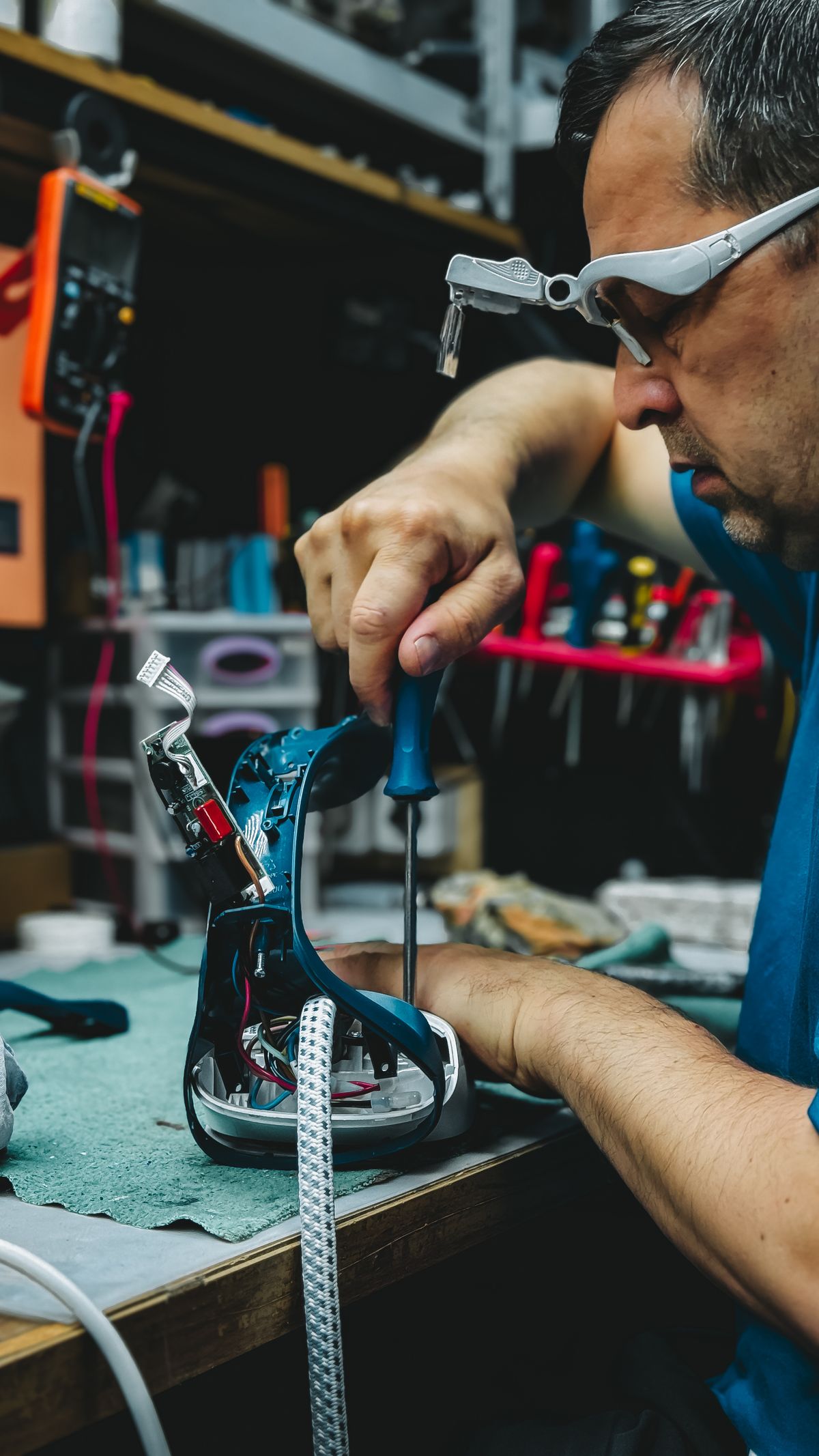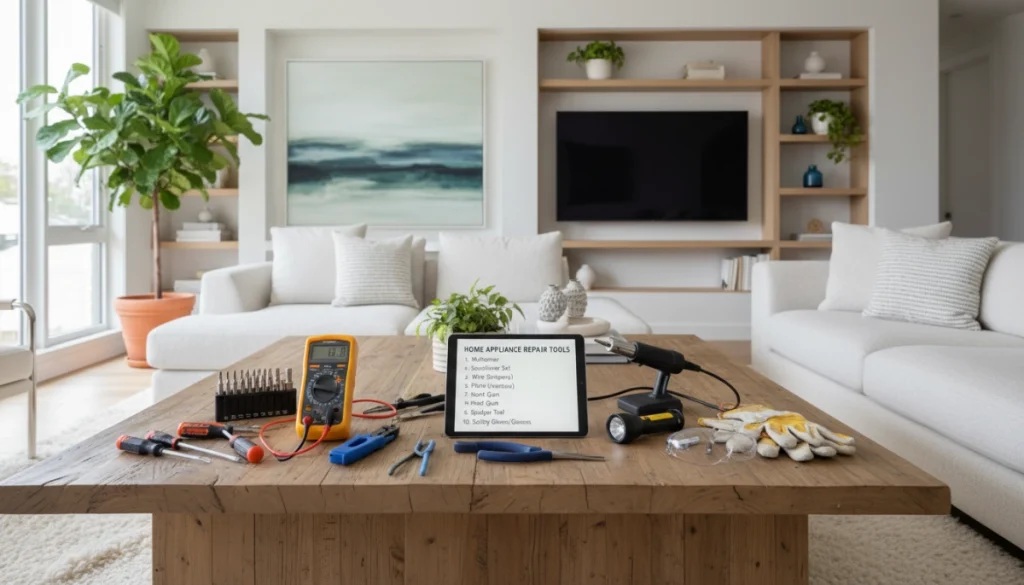
Tackling home appliance repairs yourself can save you hundreds of pounds compared to professional call-outs—but only if you’ve got the right tools without breaking the bank. This Tool Checklist for Home Appliance Repairs (Under £100 Budget) is designed to help you build a practical, reliable kit that covers everything from washing machines to fridges. You’ll get essential gear for basic fixes, electrical checks, and minor plumbing jobs—all carefully selected to fit your budget and typical UK appliance needs. Ready to stop paying over the odds and start fixing with confidence? Let’s dive in.
Why Invest in a Budget Appliance Repair Toolkit?
Appliances like washing machines, refrigerators, ovens, and dishwashers are essential in everyday life, but they can break down unexpectedly. Common failures such as faulty belts, clogged drains, or electrical issues often stop your routines in their tracks. Having a budget tool kit for home repairs means you can quickly diagnose and fix these problems yourself, saving you time and money.
With the right DIY appliance repair tools, you won’t need to call a technician for every minor issue. Fixing things yourself not only cuts expensive service fees but also gives you confidence to handle small repairs confidently. Plus, understanding how your appliance works helps you prevent future breakdowns.
Safety is crucial when working with electrical appliances. Always unplug the appliance before you start any repairs to avoid electric shocks. Using basic safety tools and following simple precautions protects you during troubleshooting and fixes. Investing in tools is an affordable way to keep your home running smoothly while staying safe and saving costs.
Essential Safety Gear (Budget: £10-15)
When working on DIY appliance repair tools, safety gear is a must-have, not an option. With a budget of £10-15, you can cover the basics to keep yourself protected during any home appliance repair. Here’s what you need:
- Work gloves: Protect your hands from sharp edges, hot parts, and grime. A decent pair of gloves improves grip and prevents cuts or scrapes when handling appliance panels or small components.
- Safety goggles: Appliances can contain springs, dust, or electrical sparks. Safety goggles shield your eyes from debris and accidental splashes, which is essential for any repair task.
- Non-contact voltage tester: This tool checks if an appliance is still live without touching wires. It’s cheap but invaluable for avoiding electrical shocks, especially when working on fridges or ovens.
These items are non-negotiable because they form the first line of defence against common hazards. Skipping safety gear can turn a simple repair into a costly or dangerous incident. Starting with affordable but reliable safety gear lets you work with confidence and peace of mind.
Remember, before any repair, always unplug the appliance and use a non-contact voltage tester to confirm no power is running. This simple step can save you from serious harm.
Must-Have Hand Tools (Budget: £40-50)
For a reliable budget tool kit for home repairs, hand tools are essential when working on appliances. Start with a multi-bit screwdriver set that includes Phillips, flathead, and Torx bits, as these cover most screws found in appliances like washing machines, ovens, and dishwashers. Torx bits are especially handy for oven repair and cooker maintenance, where specialised screws are common.
You’ll also want needle-nose and slip-joint pliers—needle-nose pliers are perfect for reaching tight spots or bending wires, while slip-joint pliers offer strong grip and versatility, useful for loosening hose clamps or nuts in tricky spaces.
An adjustable spanner or wrench is vital for nuts and bolts of various sizes, making it easier to dismantle parts without needing a full socket set. Complement this with a nut driver set featuring common 1/4-inch sizes, which are quick and efficient for fastening or removing nuts on appliances.
Lastly, a putty knife is a surprisingly handy tool for prying open plastic panels or removing old gasket material without damaging surfaces. This tool will save you time and effort during appliance disassembly.
Together, these hand tools form the core of your DIY appliance repair tools, helping with everything from accessing panels to adjusting components safely and efficiently. For more detailed tips on repairing kitchen appliances, check out this guide on troubleshooting an oven that won’t heat.
Electrical and Diagnostic Tools (Budget: £20-30)
For a budget-friendly tool checklist for home appliance repairs, electrical and diagnostic tools are essential. A digital multimeter is a must-have—it lets you check continuity and voltage, helping you spot issues like broken wiring or faulty components quickly. Basic models are affordable but reliable enough for common appliance tests.
You’ll also need wire strippers and cutters to safely remove insulation without damaging the wires, which is crucial when fixing connections or replacing parts. Don’t forget electrical tape; it’s key for insulating wires and preventing short circuits after repairs.
Together, these tools simplify troubleshooting problems like power failures, heating element issues, or malfunctioning thermostats. They give you the confidence to identify faults accurately, saving you from needless replacement parts or expensive technician calls.
For example, a multimeter is invaluable when checking if a fridge thermostat is working correctly, helping you avoid unnecessary replacements or more complex issues as detailed in troubleshooting noisy refrigerators.
With these basic electrical tools for home repairs, you can tackle most wiring or component troubles safely and effectively without blowing your budget.
Supporting Tools and Accessories (Budget: £10-15)
Even with the basics covered, a few supporting tools make DIY appliance repair much easier and more organised. A good headlamp or LED torch is essential for working in tight or dimly lit spaces inside appliances—keeping both hands free while you troubleshoot or fix parts.
A magnetic parts tray is a game-changer for holding screws, nuts, and small bits so you don’t lose them amid the repair mess. Keeping everything in one place saves time and keeps your workspace tidy.
For securing wires or cables, zip ties are cheap but incredibly useful. They help fasten loose cables safely inside appliances and prevent interruptions or damage.
Finally, thread-sealing tape (PTFE tape) is useful for sealing water or air-tight fittings, especially in washing machines or dishwashers where leaks can cause bigger issues.
These affordable extras, all within a £10-15 budget, can streamline your appliance repairs and keep your toolkit practical and efficient.
For better fridge repairs, check out detailed tips on thermostat maintenance in this guide on signs your refrigerator thermo is faulty.
Recommended Budget Toolkit Build (£100 Total Example)
Putting together a tool checklist for home appliance repairs within a £100 budget is doable with smart choices. Here’s a practical shopping list based on UK prices from Amazon UK and Screwfix, balancing quality and cost:
| Tool / Item | Estimated Price (£) | Notes |
|---|---|---|
| Multi-bit screwdriver set | 15 | Includes Phillips, flathead, Torx bits |
| Needle-nose & slip-joint pliers | 12 | Essential for gripping and bending |
| Adjustable spanner | 8 | Fits various nuts and bolts |
| Nut driver set (1/4-inch) | 10 | Perfect for appliance panel screws |
| Putty knife | 4 | For safely prying open panels |
| Digital multimeter (basic) | 18 | For voltage and continuity checks |
| Wire strippers/cutters | 8 | Cuts wires cleanly during repairs |
| Electrical tape | 3 | Insulates and secures wiring connections |
| Work gloves | 7 | Protects hands from cuts and dirt |
| Safety goggles | 6 | Shields eyes during repairs |
| Non-contact voltage tester | 7 | Quickly checks if circuits are live |
| Headlamp or LED torch | 8 | Hands-free light to work in tight spaces |
| Magnetic parts tray | 5 | Keeps screws and small parts organised |
| Zip ties and PTFE tape | 5 | For cable management and sealing leaks |
Total: Approx. £103 (prices may vary slightly)
Starter Kits vs. Individual Purchases
- Starter kits often combine multiple hand tools and can save money upfront, but might include items you don’t immediately need.
- Individual purchases let you pick only the essential tools required for appliance fixes, avoiding unnecessary extras.
For those starting out, a screw set and a basic multimeter in a kit can be a good base. Then you can add specific pliers or spanners as needed.
Where to Buy for Best Value
Amazon UK and Screwfix offer competitive prices and user reviews to help pick reliable budget tools. Local hardware stores might offer bargains or allow in-person inspections, but online shops usually provide wider selections and quick delivery.
Investing wisely in your budget tool kit for home repairs sets you up to confidently tackle common appliance problems without blowing your budget. For more guidance on choosing the right tools and making smart repair decisions, see this guide on making the wise choice to invest in repairs.
Tool Usage Guide for Common Appliance Repairs
Knowing how to use your budget tool kit for home repairs can make fixing common household appliances much easier and less stressful. Here’s a quick guide on using your tools effectively for typical appliance repairs:
-
Washing Machine:
Use your multi-bit screwdriver set and pliers to remove panels safely. Check belts and hoses for wear or leaks. A digital multimeter can test electrical components like motor windings or door switches to ensure they’re working properly.
-
Refrigerator:
Clean condenser coils with a brush or cloth to improve efficiency. Use your multimeter to test thermostats or temperature sensors — faulty ones often cause cooling issues. Detailed info on thermostat problems can be found in guides about the vital role of thermostatic controls.
-
Oven/Range:
When replacing heating elements, use your nut drivers and screwdriver bits (including Torx if needed) to remove panels and secure new parts. Check wiring connections with your non-contact voltage tester and multimeter to avoid electric shocks or bad contacts. For common oven issues, investigating heating inconsistencies is key.
-
Dishwasher:
Clear clogged drains or filters using your putty knife or needle-nose pliers. Inspect door seals thoughtfully to stop leaks. Nut drivers help with loosening screws in tight spaces. Use electrical tape and wire cutters when repairing wiring or terminals.
Safety Steps to Always Follow:
- Always unplug the appliance before starting any repair.
- Wear your safety goggles and gloves to protect against sharp edges and electric risks.
- Use a non-contact voltage tester to double-check there’s no power running before touching wiring.
- Keep parts organised using a magnetic tray or small containers as you dismantle appliances.
This approach ensures you get the most out of your cheap multimeter, screwdriver set for fridge repair, and other tools included in your budget kit — saving both time and money compared to calling a technician. For more on avoiding common pitfalls in appliance repairs, check resources that explain troubleshooting common causes of appliance faults.
By mastering these simple steps and tool uses, you’ll be confident tackling minor home appliance issues yourself — all within a £100 budget.
Tips for Getting the Most from Your Budget Toolkit
To keep your budget tool kit for home repairs effective, look after your tools. Clean them after use, store them in a dry place, and keep everything organised. A simple toolbox or organiser helps prevent lost bits and saves time when you need them.
Knowing when to DIY vs. call a professional is key. If it’s a simple fix like tightening a screw, replacing a fuse, or unclogging a drain, your toolkit has you covered. But for complex electrical faults or gas appliance repairs, it’s safer to bring in an expert.
As you get comfortable, you can build on the basics by adding specialised tools or better models like a more advanced digital multimeter or a professional screwdriver set with extra bits (Torx bits are great for ovens). This helps you tackle more repairs and saves more in the long run.
Use trusted resources to boost your skills:
- YouTube channels focused on DIY appliance repair tools
- Appliance manuals for step-by-step guides
- Local and online parts suppliers for replacement components
Stick with these tips and your cheap multimeter for appliances and other essentials will serve you well over many home appliance fixes.