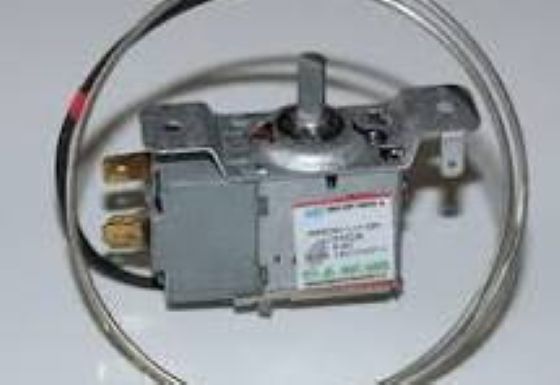
If your fridge isn’t keeping things cool like it used to, the refrigerator thermostat might be the hidden culprit. This small but vital component controls the temperature by cycling the compressor on and off—so when it starts to fail, you’ll notice inconsistent cooling, unexpected frost, or even spoiled food. Knowing the signs your refrigerator thermostat needs replacement can save you from wasted groceries, sky-high energy bills, and costly repairs down the line. In this post, you’ll get clear, straightforward insights to help you spot trouble early and decide when it’s time to take action. Let’s get started!
Common Signs of a Failing Refrigerator Thermostat
If your refrigerator thermostat is failing, you’ll notice several clear signs that affect how well your fridge cools. Watch out for these common symptoms:
- Inconsistent temperatures inside the fridge or freezer, causing your food environment to fluctuate unpredictably.
- Refrigerator not cooling properly, leaving your groceries warmer than they should be.
- Freezer or fridge section freezing food unexpectedly, where items develop frost or ice when they shouldn’t.
- Compressor runs constantly without cycling off, meaning the cooling system never takes a break.
- Compressor fails to start, resulting in the fridge remaining warm and ineffective.
- Excessive frost or ice buildup in the freezer, which can block air vents and reduce cooling efficiency.
- Unusual noises from the control area, such as clicking or humming sounds where the thermostat or control board is located.
- Food spoiling quickly despite proper storage, indicating the refrigerator isn’t maintaining safe temperatures.
Recognising these bad refrigerator thermostat symptoms early can help you avoid bigger appliance problems down the line. If your fridge temperature is fluctuating or the compressor seems to run nonstop, the thermostat is often the culprit.
How to Confirm the Thermostat Is the Problem
Before deciding to replace your refrigerator thermostat, it’s important to rule out other common issues that can cause similar symptoms like inconsistent fridge temperature or a refrigerator not cooling properly. Start by checking the door seals—if they’re worn or damaged, cold air can escape, making your fridge work harder. Next, clean the condenser coils at the back or underneath the fridge, as dust buildup can reduce cooling efficiency.
Make sure your fridge has proper ventilation and isn’t pushed too close to walls or cabinets, which can cause overheating. Use an appliance thermometer inside the fridge and freezer sections to monitor the actual temperatures. This helps spot if the temperature fluctuates or stays too warm despite settings.
While adjusting the thermostat dial, listen closely for the compressor cycling on and off. If the compressor runs constantly without cycling off or doesn’t start at all, these are strong signs of a faulty fridge thermostat. For a more precise check, a basic multimeter continuity test can reveal if the thermostat is working correctly—just remember to unplug the fridge first and follow safety instructions carefully.
Lastly, rule out other causes like fridge overloading, frequent door openings, or recent power surges that could mimic thermostat failure. If these checks don’t fix the problem, the thermostat is likely the culprit. For more detailed insights on temperature control issues, you can check out this guide on the vital role of thermostatic controls in appliances.
When to Replace the Thermostat (And When Not To)
You should replace your refrigerator thermostat if testing clearly shows it’s faulty or if the symptoms like inconsistent fridge temperature and the compressor running constantly continue despite basic fixes. Thermostats usually last several years, but wear and tear or electrical issues can cause failure sooner. Replacement costs are generally reasonable, making it worth fixing rather than buying a new fridge.
However, sometimes problems that look like a bad refrigerator thermostat are actually caused by other parts like the evaporator fan, defrost heater, or control board. If you notice excessive frost in the freezer, freezing food in the refrigerator, or unusual noises, these components might be at fault instead. Also, if you see signs like water leaks, burnt wiring, or the fridge not cooling at all despite thermostat replacement, it’s best to get a professional to check it out immediately.
For those who prefer a DIY approach, confirm with proper thermostat testing first, but beware of moving straight to replacement without ruling out other causes. If you want to discover the best replacement options and parts, consider checking reliable resources on how to find the perfect refrigerator thermostat replacement.
Step-by-Step Guide to Replacing a Refrigerator Thermostat
Replacing a faulty refrigerator thermostat is doable if you follow some simple steps and prioritize safety. Here’s how to get it done right:
Safety first:
- Always unplug the fridge before starting any work to avoid electric shock.
- Wear gloves and be careful around sharp edges inside the fridge.
Tools you’ll need:
- Screwdrivers (usually Phillips and flathead)
- Multimeter for testing continuity
- Needle-nose pliers (optional)
- Replacement thermostat matched to your fridge model
Locating the thermostat:
- The thermostat is typically inside the fridge, behind the control panel or near the temperature dial.
- You may need to remove the panel cover by unscrewing it to access the thermostat.
Removing the old thermostat:
- Take note or photos of wiring before disconnecting to ensure proper reconnection.
- Carefully disconnect the wires and remove any mounting screws or clips holding the thermostat in place.
Installing the new thermostat:
- Position the new thermostat where the old one was, securing it with screws or clips.
- Reconnect the wiring exactly as it was before.
Testing the new thermostat:
- Plug the fridge back in and turn it on.
- Adjust the temperature dial and listen for the compressor to cycle on and off, indicating the thermostat is controlling temperature correctly.
- Use an appliance thermometer inside the fridge to check if the temperature remains stable.
Tips for replacement parts:
- Always buy OEM (original equipment manufacturer) parts or high-quality equivalents specific to your fridge brand and model.
- Avoid generic thermostats to prevent compatibility issues.
- Check trusted sources or authorized dealers for genuine parts — this ensures your fridge runs smoothly and lasts longer.
If you run into any doubts during the replacement or the fridge still shows signs of inconsistent temperatures or a faulty fridge thermostat after installation, it’s wise to consult a professional. For more insight into making smart repair decisions, see our guide on how to make the wise choice when investing in appliance repairs.
When to Call a Professional Technician
Sometimes, a faulty fridge thermostat isn’t a DIY fix. Here’s when calling a pro makes sense:
| Situation | Why Call a Technician |
|---|---|
| Complex refrigerator models | Modern fridges have advanced controls that need expert handling. |
| Warranty still valid | Self-repair might void the warranty. |
| Unfamiliar with electricals | Working with wiring and components can be risky. |
| Signs of bigger damage | Leaks, burnt wiring, or strange smells may signal serious issues. |
| Persistent fridge problems | If symptoms persist after basic checks or thermostat replacement. |
A professional diagnosis helps avoid costly mistakes, confirms if the faulty fridge thermostat is the root cause, and ensures safe, lasting repairs. Don’t hesitate to call in the experts if you’re unsure or uneasy.
Preventing Thermostat Problems and Extending Fridge Life
To keep your refrigerator thermostat working well and extend your fridge’s lifespan, regular maintenance is key. Start by cleaning the condenser coils every few months—dust and dirt here can make your fridge overheat and cause the thermostat to fail. Avoid overloading the fridge, as stuffing it too full blocks airflow, leading to inconsistent fridge temperature and extra strain on the thermostat.
Set your fridge temperature to the ideal range—usually between 37°F and 40°F (3°C and 4°C) for the fridge section and around 0°F (-18°C) for the freezer. Keeping it within this range prevents the thermostat from working overtime or causing freezing issues. Also, make sure your refrigerator is placed in a well-ventilated area, away from direct sunlight or heat sources; poor ventilation can cause the compressor to run constantly and the thermostat to overreact.
Finally, keep an eye out for early warning signs like food spoiling quickly, unexpected temperature swings, or excessive frost in the freezer. Catching these symptoms early helps prevent full thermostat failure and costly repairs. Regular upkeep and mindful use go a long way in avoiding bad refrigerator thermostat symptoms and keeping your fridge running smoothly.
Frequently Asked Questions
| Question | Answer |
|---|---|
| How long does a refrigerator thermostat last? | Typically 8-12 years, but it depends on usage and maintenance. |
| Can a bad thermostat damage the compressor? | Yes, a faulty fridge thermostat can cause the compressor to run nonstop, leading to damage or early failure. |
| What’s the average cost to replace a thermostat? | Usually between $50-$150 for parts and DIY installation; professional repairs may cost more. |
| Is it worth fixing an older refrigerator? | It depends on the age and condition. If your fridge is over 10 years old, weigh repair costs against replacement. |
| Mechanical vs electronic thermostats – what’s the difference? | Mechanical thermostats use a dial and simple controls; electronic ones offer precise digital settings and better energy efficiency. |
If your fridge shows signs like inconsistent fridge temperature, freezer too cold or fridge not cycling off, checking the thermostat is a good first step. Keeping an eye on these common faults helps avoid bigger problems down the line.