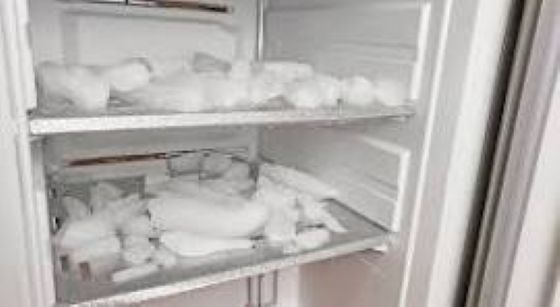
When and Why You Should Defrost Your Freezer
Frost buildup happens in most freezers, especially manual defrost freezers. It’s caused by a few common factors:
- Humidity: Moist air enters when the door is open.
- Frequent Door Openings: Let in warm, moist air repeatedly.
- Placing Warm Food Inside: Adds moisture that freezes on the walls.
Ignoring frost buildup can lead to problems like:
| Problem | Result |
|---|---|
| Higher electricity costs | Freezer works harder to stay cold |
| Reduced freezer efficiency | Less cold air flow, more frost buildup |
| Risk of food spoilage | Cold spots and uneven freezing |
Unlike frost-free models that auto-defrost using a built-in heater, manual defrost freezers need a regular manual defrost to work efficiently. Skipping this step can shorten your freezer’s lifespan and increase operating costs.
Regularly removing freezer ice buildup helps keep your appliance energy efficient and your food safe. It’s a simple maintenance task that saves money and hassle!
Supplies You’ll Need for Manual Defrosting
Before you start to defrost your freezer manually, make sure you have everything ready. Here’s a handy checklist of essential supplies:
- Coolers or insulated bags – to safely store your frozen food while defrosting.
- Old towels or absorbent pads – to soak up melting ice and water around the freezer base.
- Plastic scraper or spatula – perfect for gently removing freezer ice buildup without damaging surfaces.
- Bowls or pans for hot water – useful if you want to speed up the melting process.
- Fan (optional) – helps circulate warm air to defrost faster.
- Mild cleaning solution – a mix of baking soda and water works great for cleaning the freezer after defrosting.
- Sponge or cloth – for wiping down all interior surfaces.
Don’t forget some safety items too:
- Gloves – to protect your hands from cold water and sharp ice edges.
- Bucket for water collection – handy if your freezer doesn’t have a drainage plug to catch melting water efficiently.
Having these on hand will make your manual defrost freezer process safer and smoother, ensuring you don’t have to stop halfway to find what you need.
Preparing to Defrost Your Freezer
Choosing the right time to manually defrost your freezer sets you up for an easy process. Aim to do this when your freezer isn’t packed full. Cooler weather helps keep your food cold longer, so try to plan around that if possible.
How to Safely Remove and Store Food
Before you start defrosting, you’ll need to clear out the freezer contents carefully to avoid spoilage:
| Step | Tips |
|---|---|
| Use coolers or insulated bags | Pack frozen food tightly with ice packs inside coolers |
| Transfer to another freezer | Temporarily move items if you have one available |
| Group frozen items | Helps maintain cold and saves space |
Make sure food stays as cold as possible during the defrosting period.
Unplug and Remove Parts
- Always unplug the freezer before defrosting to ensure safety.
- Remove shelves, baskets, or drawers if you can. This gives better access to ice buildup and prevents damage.
Preparing your freezer correctly makes the following defrost steps smoother and safer, setting you up for effective freezer frost removal. For advice on choosing replacement parts or troubleshooting, see resources like the guide on thermostatic controls which can help maintain your freezer’s performance.
Step-by-Step Guide to Defrosting Your Freezer Manually
Start by opening your freezer door fully and setting up drainage to catch melting water. Place old towels or absorbent pads at the base of the freezer and on the floor in front to soak up drips. If your model has a drain hose or plug, position a pan or bucket underneath to collect the water.
Next, let the ice melt naturally by leaving the door open for several hours. This manual defrost method is the safest but can take between 4 to 8 hours depending on the frost buildup. To speed things up safely, you can place bowls of hot water inside the freezer or use a fan to circulate warm air around it.
As the ice softens and loosens, carefully remove chunks with a plastic scraper or spatula. Avoid metal tools or knives since these can damage the freezer walls or puncture refrigeration components. Collect the melting water frequently and dispose of it to prevent slipping hazards or spills.
Once all the ice has been removed, thoroughly wipe down every surface using a sponge or cloth to remove any remaining moisture. This cleanup helps prevent new frost from building back up too quickly. For more on safe techniques, you can check detailed guides on safe freezer defrosting.
Following these steps ensures effective freezer frost removal without risk, keeping your freezer running efficiently.
How to Defrost Your Freezer Quickly and Safely
If you want to defrost freezer fast, there are a few safe ways to speed up the process without risking damage or injury. Here are some proven methods:
- Hot water method: Place bowls or pans of hot (not boiling) water inside the freezer. The steam helps melt the ice faster. Replace the water as it cools. This usually cuts defrosting down to about 1–2 hours.
- Fan assisted defrost: Position a fan to blow warm room air into the open freezer. This circulates heat evenly and quickens ice melt.
- Hair dryer use: Carefully use a hair dryer on low heat, keeping it moving and at a safe distance to avoid overheating or melting plastic parts.
For comparison, natural defrosting (just leaving the door open) takes 4–8 hours, so these methods save time.
Important safety tips for quick freezer frost removal:
- Never use metal tools or sharp objects to chip ice — this can puncture the lining and cause leaks.
- Avoid direct contact with steam or hot water to prevent burns.
- Unplug the freezer before starting and never use electrical devices near standing water without caution.
- Don’t force ice off aggressively; let the warmth do most of the work.
Following these tips helps you remove freezer ice buildup safely and efficiently.
Cleaning and Drying the Freezer
Once all the ice is gone, it’s time for a good clean to keep your freezer fresh and prevent frost from coming back. Mix a solution of baking soda and warm water—about a tablespoon of baking soda per quart of water works well. Use this to wipe down the interior walls, shelves, and door seal thoroughly. This simple step not only cleans but also helps neutralize any odors left behind.
If you want extra odor removal, you can rinse surfaces with a little vinegar diluted in water, or just place an open box of baking soda inside the freezer once it’s dry. This absorbs lingering smells and keeps things fresh longer.
Make sure your freezer is completely dry before plugging it back in or restocking. Any leftover moisture encourages new frost buildup and can lead to freezer frost removal happening again too soon. Use a dry cloth or leave the freezer door open for a bit to air out if needed.
Following these cleaning and drying steps after your manual defrost freezer session helps maintain efficiency and keeps your freezer in great shape for the long haul.
Restarting and Restocking Your Freezer
Once you’ve finished cleaning and drying your freezer, plug it back in and give it time to reach the proper temperature—ideally 0°F (-18°C) or lower. This ensures the freezer is cold enough to keep your food safe and fresh.
When restocking, organize your items to allow good airflow. Don’t overcrowd the freezer; air needs space to circulate to maintain an even temperature and prevent frost buildup. Label your food containers and packages so you can easily find what you need and avoid leaving the door open too long.
For the first few hours, keep an eye on the freezer’s temperature and check that it’s running smoothly. This way, you catch any issues early and make sure the manual defrost freezer stays energy efficient and effective.
Tips to Prevent Future Frost Buildup
Keeping frost at bay means less hassle and better freezer efficiency. Here’s how to prevent freezer frost effectively:
- Maintain proper seals: Regularly check and clean the door gasket. A tight seal stops warm, humid air from sneaking in and causing frost buildup. Replace worn or cracked gaskets to keep your manual defrost freezer working well.
- Cool hot foods before freezing: Never put warm or hot food directly into the freezer. Let it cool down first to reduce moisture inside, which leads to ice buildup.
- Minimise door openings: Frequent opening lets moist air inside, speeding up frost formation. Try to open the freezer door only when necessary and close it quickly.
- Keep your freezer at least ¾ full: A fuller freezer retains cold better and reduces frost. If you don’t have enough frozen food, fill empty spaces with bottles of water.
- Long-term solutions: If you’re tired of regular freezer frost removal, consider upgrading to a frost-free freezer. These models prevent ice buildup automatically, saving time and energy costs over the long run.
Following these simple steps will help you avoid frequent manual defrosts and keep your freezer running energy efficiently for longer.
Common Mistakes to Avoid When Defrosting Your Freezer
When you’re doing a manual defrost freezer session, avoid these common slip-ups:
- Using improper tools: Never use metal knives or sharp tools to chip away ice. This can damage the freezer’s interior and pose safety risks. Stick to plastic scrapers designed for freezer frost removal.
- Leaving food out too long: Don’t leave your frozen food sitting out while you defrost. Use coolers or insulated bags to keep it safe and cold. Extended exposure can lead to spoilage and waste.
- Forgetting to unplug the freezer: Always unplug before starting. Defrosting with the freezer still on wastes energy and can be dangerous.
- Skipping the cleanup step: After the ice melts, clean and dry all surfaces properly. Skipping this can cause odors, bacterial growth, and quicker frost buildup.
Avoiding these mistakes helps you defrost freezer fast and safely, maintaining energy efficiency and food quality.
Frequently Asked Questions About Manual Defrost Freezer
How long does manual defrosting take?
Manual defrosting usually takes 4 to 8 hours if you let the ice melt naturally with the door open. Faster methods like placing bowls of hot water inside or using a fan can cut this down to 1 to 2 hours, but be careful with electric devices around water.
Can I defrost without unplugging the freezer?
It’s best practice to unplug your freezer before defrosting. Defrosting while plugged in wastes electricity and increases safety risks like electric shock or damage from water.
What if my freezer has a drain plug?
If your freezer has a drain plug, use it to drain melting water directly into a bucket or sink, which helps keep the area tidy. Just make sure to place towels around to catch any drips.
Is it safe to use salt or boiling water directly on coils?
No. Avoid using salt or boiling water on freezer coils or interior surfaces. Salt can corrode metal parts, and boiling water risks damage to plastic components or seals. Stick to warm water with a gentle cleaning solution instead.
How do I defrost a chest freezer vs. an upright freezer?
- Chest freezer: Usually requires full manual defrosting. Remove all food, unplug, open the lid, and let ice melt naturally or speed it up with hot water bowls. Use towels inside to soak water.
- Upright freezer: Often has better drainage and sometimes self-defrost features. Manual defrost involves removing shelves, opening the door, and following similar steps but can be easier thanks to vertical design and drains.
Both need regular defrosting to prevent ice buildup and maintain efficiency.