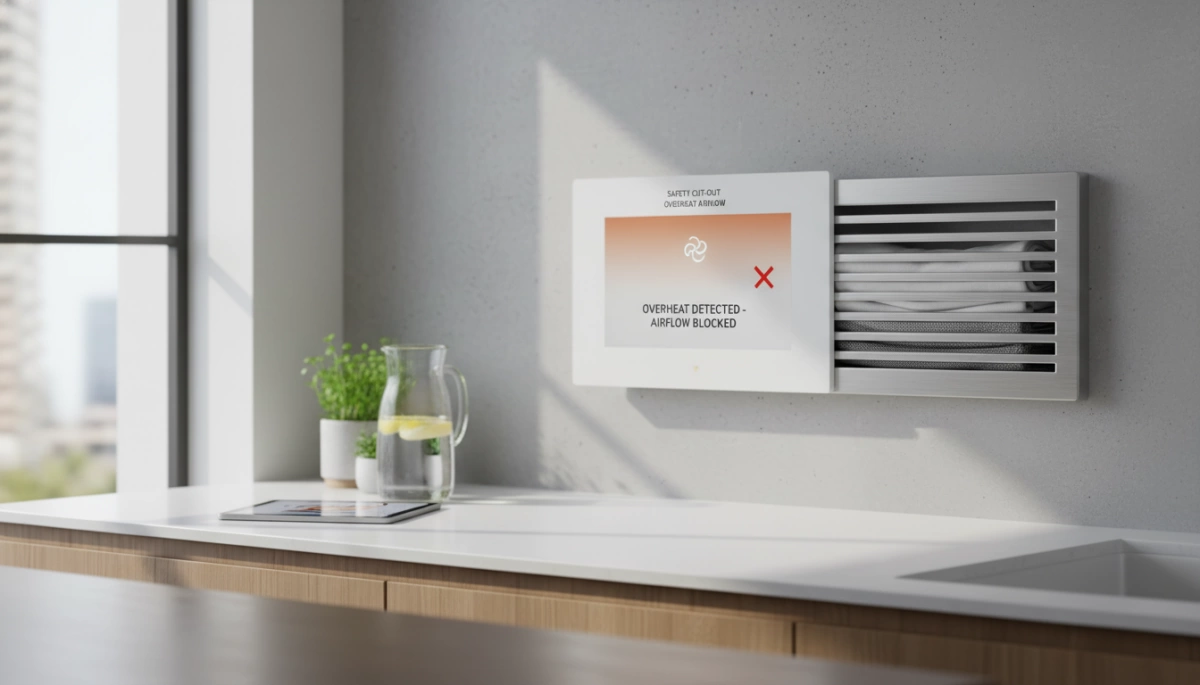
Ever had your appliance suddenly shut off or blow a thermal fuse with no clear warning? Safety cut-out triggers—whether from over-temperature conditions or airflow blockage—are designed to protect your home from overheating and potential fires. But understanding the difference between a direct heat-triggered shutdown and one caused by restricted airflow can be the key to diagnosing issues quickly and keeping your devices running safely. In this post, we’ll break down these crucial safety mechanisms so you can spot problems early, maintain your appliances effectively, and avoid costly repairs or hazards. Let’s get into how these triggers work and why knowing the difference matters.
Understanding Safety Cut-Out Mechanisms in Appliances
Appliances like dryers, hair dryers, and furnaces rely on multiple safety layers to protect against overheating and other hazards. One crucial feature is the safety cut-out mechanism, designed to automatically shut off the appliance if it detects unsafe conditions. These safety cut-outs include components such as thermal fuses, high-limit thermostats, and thermal cutoff switches.
Their role is simple but vital: to prevent appliance overheating by interrupting electrical current when temperatures exceed safe limits or when airflow is restricted. This layered protection ensures your appliance runs efficiently while reducing the risk of fires caused by lint buildup, clogged dryer vents, or blocked air vents.
Understanding how these key components work together can help you identify and address potential issues early, keeping your home safe and your appliances operating smoothly.
Over-Temperature Cut-Out Triggers
Over-temperature cut-out triggers are safety devices designed to prevent appliances from overheating and causing damage or fire. These triggers typically activate when the appliance reaches a dangerous temperature, shutting it down instantly.
The most common types are thermal fuses and high-limit thermostats (also called safety thermostats or thermal cutoff switches). A thermal fuse is a one-time-use device that melts or breaks the circuit when heat surpasses a set limit, preventing further operation until replaced. Meanwhile, a bimetallic thermostat or high-limit thermostat works by bending or switching off the circuit when it detects excessive heat, often allowing a manual or automatic reset.
These safety components usually have trigger thresholds tailored to each appliance’s design—for example, a dryer thermal fuse might trip around 180°C (356°F), while a hair dryer’s thermal cutoff switch activates at lower temperatures to avoid burns or fires. The thresholds are carefully set to balance operation efficiency and safety.
For instance, in dryers, the dryer thermal fuse blown protects against overheating caused by blocked vents or lint buildup. In ovens, similar overheat protection devices shut down the heating element or gas supply if temperatures rise abnormally, helping to avoid serious appliance failure or fire hazards. These triggers are critical layers in appliance safety, guarding against risks before they escalate.
If you want a deeper look at part replacements following over-temperature cut-outs, check out this guide on how to replace a faulty oven.
Airflow Blockage as a Safety Trigger
Airflow blockage is a common safety trigger that can indirectly cause appliance overheating. When vents get clogged, filters become dirty, or lint builds up — as often seen in dryers — the restricted airflow forces the appliance to work harder, generating excess heat. This not only strains the system but also raises the risk of components overheating or even causing fires. Common causes include clogged dryer vents, dirty HEPA or premotor filters, and lint buildup safety hazards, all of which reduce proper air circulation essential for cooling and efficient operation.
Advanced appliances now feature airflow detection methods that monitor vent pressure or airflow rate to catch blockages early. These sensors can alert users before overheating becomes severe, preventing damage or cut-outs caused by heat buildup. For example, some dryers have pressure switches that trigger a safety thermostat reset when airflow is insufficient. To stay safe and efficient, regular cleaning of vents and filters is crucial — you can find practical tips for maintaining clean filters and drain hoses in detailed guides on proper filter maintenance and lint fire prevention.
Key Differences: Over-Temperature vs. Airflow Blockage Triggers
Understanding the difference between over-temperature and airflow blockage safety cut-out triggers is key to effective appliance maintenance and safety.
| Feature | Over-Temperature Triggers | Airflow Blockage Triggers |
|---|---|---|
| Trigger Type | Direct heat sensor activation | Indirect, caused by restricted airflow |
| Common Components | Thermal fuses, high-limit thermostats | Clogged vents, dirty filters, lint buildup |
| How It Works | Cuts off power when temperature exceeds safe limits | Detects overheating caused by trapped heat from blocked airflow |
| Response Time | Very fast to prevent damage | Slower, often after airflow restriction causes heat buildup |
| Prevention Focus | Monitor heat levels, replace thermal fuse if blown | Clean vents, replace filters, remove lint to maintain airflow |
| Pros | Immediate protection from heat damage | Prevents potential overheating by addressing airflow early |
| Cons | Can’t detect airflow issues alone | May not respond until overheating begins |
| Example Appliances | Hair dryers, dryers (thermal fuse blown) | Dryers, furnaces with clogged vents |
The over-temperature cut-out triggers work by directly sensing when an appliance’s components get too hot, using devices like a thermal fuse or a bimetallic thermostat. When triggered, these components immediately shut down the appliance to prevent fires or damage.
On the other hand, airflow blockage triggers activate indirectly. Blocked vents or dirty filters restrict airflow, causing heat to build up gradually. The safety mechanism detects this overheating, often through a furnace limit switch or airflow sensor, prompting a shutdown or warning.
In terms of response and prevention, over-temperature protection tends to act faster and requires replacement or reset after triggering. Airflow blockage protection focuses more on regular maintenance—like removing lint buildup or cleaning vents—to prevent the problem from arising in the first place.
For more on keeping your appliances running safely and evenly, explore our practical tips on preventive maintenance for uneven heating or how to extend appliance lifespan.
Real-World Examples in Common Appliances
Safety cut-out triggers like over-temperature and airflow blockage play a key role in everyday appliances such as dryers, hair dryers, and furnaces. For example, in clothes dryers, a thermal fuse or high-limit thermostat often trips due to lint buildup or a clogged dryer vent restricting airflow, which causes the drum and heating element to overheat. This overheating risk frequently leads to dryer fires if ignored. Similarly, hair dryers rely on hair dryer thermal protection switches that cut power when the device overheats or when airflow is blocked by dust buildup. Furnaces use a furnace limit switch designed to shut down the system if the heat exchanger gets too hot, often due to airflow restrictions like dirty air filters or closed vents.
These safety cut-outs prevent fire risks by interrupting power early, but each appliance has specific triggers tied to its design. For dryers, the dryer thermal fuse blown is a common fault after overheating caused by restricted airflow. Hair dryers may shut off abruptly when the internal thermal cutoff switch is triggered, often indicating a blocked air intake. Furnaces shutting down unexpectedly usually point to an over-temperature event often worsened by airflow restrictions.
These real-world examples show why keeping vents clean and monitoring for signs of overheating is crucial. For a deeper look at appliance safety parts and how to diagnose issues, check out this detailed guide on how to diagnose unusual appliance behavior.
Signs Your Appliance’s Safety Cut-Out Has Triggered
When your appliance’s safety cut-out activates, it usually means something’s off with either the temperature or airflow. Common symptoms include the appliance shutting off unexpectedly, producing no heat, or even strange smells like burning or mustiness.
Over-Temperature Symptoms
- Complete loss of heat or the appliance shutting down abruptly
- A burning smell, often caused by the thermal fuse or high-limit thermostat activating to prevent overheating
- Difficulty resetting the safety thermostat or the appliance not turning back on until a fuse is replaced
Airflow Blockage Symptoms
- Appliance runs but with weak or no heat because blocked airflow causes the system to overheat indirectly
- Noticeable musty or stale smells from lint buildup or clogged dryer vents
- Longer cycle times or uneven heating due to restricted airflow
- May trigger airflow sensors in more advanced models before over-temp cut-outs kick in
Differentiating the Two
- Over-temperature issues tend to cause instant shut-offs and noticeable burning smells.
- Airflow blockage usually shows gradual performance drop and smells related to dust or lint, not burning wires.
- Checking dryer vents, filters, and vents for lint buildup can often resolve airflow-related cut-outs.
If you’re troubleshooting these symptoms, detailed guides like signs your refrigerator’s thermostat has triggered can give you an idea of what to check on similar safety switches in appliances.
By understanding these signs, you’ll know whether to check the appliance’s heating components or airflow paths first—helping prevent bigger problems like potential fires or system damage.
Troubleshooting and Prevention Tips
When your appliance’s safety cut-out triggers, it’s important to know how to troubleshoot and prevent future issues effectively. Here’s a quick guide to keep your appliances running safely:
Step-by-Step Checks
- Check for Over-Temperature Triggers: Look for a blown thermal fuse or tripped high-limit thermostat. These thermal cutoff switches often need replacement after they activate.
- Inspect for Airflow Blockage: Examine vents, ducts, and filters for lint buildup or clogging. Restricted airflow is a common cause of overheating, especially in dryers.
- Reset Safety Thermostats: Some appliances have a manual reset button on the thermostat. Only reset once you’ve cleared underlying issues.
- Look for Visible Signs: Smells of burning, unusual noises, or the appliance shutting off mid-cycle can point to safety cut-out activation.
Maintenance Best Practices
- Regular Cleaning: Clean dryer vents and lint screens regularly to prevent airflow restriction and reduce fire risk.
- Scheduled Filter Replacement: Replace air filters in appliances like furnaces as recommended by the manufacturer.
- Routine Inspections: Periodically check thermal fuses, bimetallic thermostats, and limit switches for wear or damage.
- Avoid Overloading: Don’t overload dryers or heating appliances to help maintain proper airflow and temperature control.
When to Call a Professional
- If you’re unsure about replacing thermal fuses or resetting safety thermostats safely.
- When your appliance repeatedly triggers the cut-out despite cleaning and checks.
- For thorough inspections after any signs of overheating or appliance malfunction.
If you want expert advice on when to involve a technician, this guide on when to call a professional for appliance repair can help you make the right decision. Proper maintenance and timely professional help are key to preventing dryer fires and ensuring your appliances stay safe and efficient.
Advanced Safety Features in Modern Appliances
Modern appliances come with advanced safety features designed to prevent overheating and airflow-related issues more effectively than ever. These multi-layer protections combine various sensors and components like PTC (Positive Temperature Coefficient) elements, smart sensors, and improved safety thermostats to detect and respond to problems before they cause damage.
Key Advanced Safety Features
| Feature | Function | Benefit |
|---|---|---|
| PTC Elements | Self-regulating heating components | Prevents overheating safely |
| Smart Sensors | Monitor temperature and airflow | Real-time alerts and automatic shut-off |
| Multi-layer Protection | Combines thermal fuses, thermostats, and airflow sensors | Enhanced failure detection and prevention |
| Safety Standards Compliance | Meets strict industry safety protocols | Ensures appliance reliability and user safety |
These features work together to provide robust overheat protection by constantly monitoring appliance conditions. For example, smart sensors can detect restricted airflow caused by clogged vents or lint buildup, which helps avoid indirect overheating that triggers traditional thermal fuses or high-limit thermostats.
By investing in appliances equipped with these technologies, you’re less likely to face sudden shut-offs or damage due to overheating or airflow blockage. Regular maintenance still plays a crucial role, but advanced safety mechanisms significantly reduce fire risks and appliance failures.
For more detailed care and sensor maintenance tips in your home appliances, you can check guides like maintaining sensors on robot appliances to keep everything running smoothly.



Leave a Reply