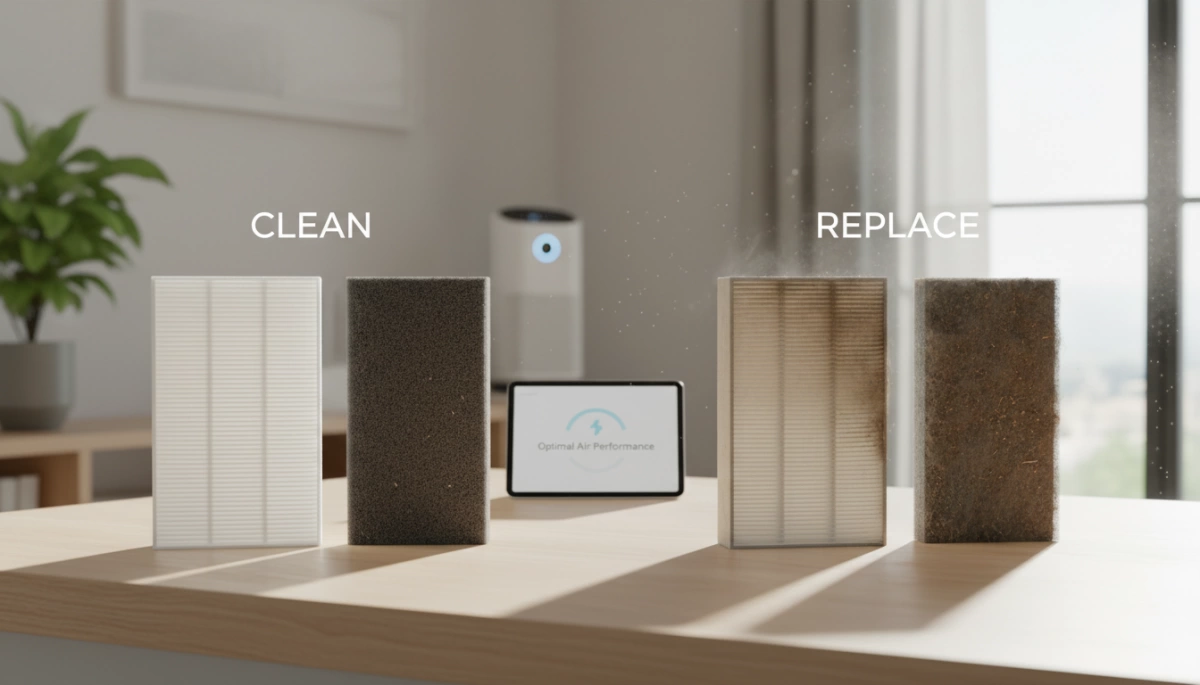
If your vacuum’s suction feels weak or the air quality in your home isn’t as fresh as it should be, clogged HEPA and pre-motor filters might be the culprit. Knowing when to clean vs. replace these filters is crucial—not just for keeping your vacuum running smoothly but also for protecting your motor and maintaining optimal performance. In this guide, you’ll discover clear, practical advice on how to care for these filters the right way, balancing cost, efficiency, and longevity so your vacuum delivers powerful cleaning and healthier air every time. Let’s get started!
Understanding Vacuum Filters
When it comes to vacuum filter maintenance, knowing the difference between pre-motor filters and HEPA filters is key for keeping your vacuum working well.
| Filter Type | Purpose | Material | Location | Common Types |
|---|---|---|---|---|
| Pre-Motor Filter | Protects the vacuum motor from larger dust and debris | Usually foam or felt | Before the motor | Washable or replaceable |
| HEPA Filter | Captures tiny particles like allergens and dust for cleaner exhaust air | Dense fibrous material | After the motor (exhaust) | Often replace-only; some washable |
What is a Pre-Motor Filter?
The pre-motor filter acts as the first line of defense inside your vacuum. It traps bigger dust particles and debris to stop them from reaching and damaging the motor. Most of the time, these filters are made of foam or felt and many are washable to extend their life.
What is a HEPA Filter?
HEPA (High-Efficiency Particulate Air) filters catch very fine particles — think pollen, pet dander, and dust mites — ensuring the air your vacuum blows out is cleaner. These filters help protect those with allergies or respiratory concerns and are generally tougher and denser than pre-motor filters.
Pre-Motor vs. HEPA Filters
- Location: Pre-motor filters sit before the motor; HEPA filters come after.
- Function: Pre-motor prevents motor damage; HEPA improves air quality.
- Material: Foam/felt vs. dense fibres.
- Maintenance: Pre-motor filters are often washable, HEPA filters vary by brand.
Common Filter Types: Washable vs. Non-Washable
- Washable filters include many pre-motor types and some HEPA filters (e.g., Dyson, Shark).
- Non-washable filters usually mean HEPA filters are designed for replacement only to maintain filtration quality.
Understanding these basics helps you make smart choices about cleaning vs. replacing vacuum HEPA filters and pre-motor filters, ensuring your vacuum motor stays protected and your home air stays fresh.
Can You Clean HEPA and Pre-Motor Filters?
Pre-motor filters are generally washable and designed for easy cleaning. To clean them effectively, first remove the filter from your vacuum, then gently tap it to shake off loose dust. Next, rinse the foam or felt filter under cold running water—avoid any soaps or detergents to prevent damage. After rinsing, let the filter air dry completely for 24 to 48 hours before reinstalling it to avoid mold growth.
When it comes to HEPA filters, cleaning options depend on your vacuum’s brand. Some models, like Dyson and Shark, feature washable HEPA filters that can be rinsed carefully with cold water following the same drying process. However, many other brands use non-washable HEPA filters that must be replaced instead of cleaned. Always check your vacuum’s manual to confirm whether your HEPA filter is washable.
To keep your filters performing at their best, avoid vacuuming the HEPA media directly, as this can damage the delicate fibers. Also, steer clear of hot water, soaps, or detergents when rinsing, since these can weaken the filter material and reduce filtration efficiency. For more tips on maintaining your vacuum’s parts, explore our detailed guidance on cleaning and maintaining vacuum components.
When and Why to Replace Filters Instead of Cleaning
Knowing when to replace your vacuum’s HEPA and pre-motor filters is just as important as cleaning them. You should consider replacing filters if you notice persistent reduced suction, unusual odors, visible damage, or a decline in air quality coming from your vacuum. These signs usually mean the filter media is clogged or worn out beyond what cleaning can fix.
Over-cleaning your filters, especially HEPA types, can actually backfire by damaging the filter’s delicate fibers or reducing their filtration efficiency. This results in poorer dust and allergen capture, putting extra strain on your vacuum motor, which can lead to costly repairs.
Most manufacturers recommend these timelines for optimal performance:
- Pre-motor filters: Clean monthly and replace every 6 to 12 months
- HEPA filters: Replace every 6 to 24 months, depending on usage and brand guidelines
Certain factors speed up the need for replacement, such as heavy vacuum use, homes with pets, allergy sufferers who need top-notch allergen filtration, and environments with lots of dust or debris. In these cases, sticking to the replacement schedule is key to maintaining strong suction and clean exhaust air.
If you want reliable advice on part replacements and maintenance, also check out guides like this one on how to discover the perfect replacement parts to keep your appliances running smoothly.
Cleaning vs. Replacing: Pros, Cons, and Performance Impact
When it comes to vacuum filter maintenance, deciding between cleaning and replacing filters is key for keeping your vacuum running smoothly. Cleaning washable filters like pre-motor foam types is cost-effective and can extend their lifespan while restoring suction temporarily. Simply put, cleaning helps maintain airflow and prevents immediate clogging without spending extra money.
However, replacing filters—especially HEPA ones—is critical for restoring peak vacuum performance. New HEPA and pre-motor filters ensure maximum filtration efficiency, capturing allergens and fine dust better than cleaned filters that might have lost some structural integrity. Replacing also protects your vacuum motor from strain caused by poor airflow.
In terms of performance, cleaned filters often lose filtration power gradually, while brand-new filters optimize both suction and allergen capture. Over time, repeatedly cleaning without replacement can lead to reduced vacuum suction loss and compromised air quality.
From a cost perspective, following a routine cleaning and timely replacement schedule offers the best long-term savings. Regular cleaning keeps filters working longer, but adhering to manufacturer-recommended replacement timelines prevents costly repairs caused by motor damage.
For a balanced approach on vacuum filter maintenance, practical tips on extending the lifespan of your appliances can be found in resources on extending the lifespan of your appliances.
Step-by-Step Maintenance Guide
Keeping your vacuum filters in good shape is key to maintaining vacuum suction and prolonging your machine’s life. Here’s a simple guide to cleaning and caring for your HEPA and pre-motor filters safely and effectively.
Tools Needed and Safety Precautions
- Soft brush or microfiber cloth
- Cold water (no soap or detergent)
- Clean, dry towel
- A well-ventilated area for drying
- Rubber gloves (optional) for sensitive skin
Always unplug your vacuum before starting. Handle filters gently to avoid damage.
How to Remove Filters Safely
- Locate the filter compartments—usually near the dust bin or motor housing.
- Consult your vacuum’s manual for instructions specific to your model.
- Gently release any clips or tabs and remove the filter without forcing.
Cleaning Washable Filters: Pre-Motor and Some HEPA Types
- Tap the filter gently to remove loose dust and debris.
- Rinse under cold running water, avoiding soap or hot water, which can damage filter materials.
- For foam or felt pre-motor filters, squeeze out excess water carefully without wringing.
- Lay the filter flat on a towel in a well-ventilated spot and let it air dry completely—this may take 24-48 hours.
- Never put damp filters back into the vacuum as this can cause mold and damage your motor.
Reinstallation Tips and Testing Performance
- Once your filter is thoroughly dry, reinsert it carefully, ensuring it sits properly in place.
- Check all clips or covers are secured to avoid air leaks.
- Test the vacuum’s suction and listen for unusual sounds signaling improper installation.
Maintenance Schedule Based on Usage
- Light use (1-2 times per week): Clean pre-motor filters monthly and HEPA filters every 6-12 months.
- Heavy use or in homes with pets/allergies: Clean pre-motor monthly, HEPA every 3-6 months, and consider earlier replacement if suction drops.
- Stick to this routine to prevent vacuum motor strain and maintain optimal allergen filtration.
Following this maintenance guide will keep your vacuum filters working efficiently, extend their lifespan, and improve your indoor air quality. For more detailed maintenance tips, you can also explore energy-saving vacuum practices to reduce wear over time.
Brand-Specific Recommendations
When it comes to vacuum filter maintenance, knowing your brand’s specifics can save you time and keep your vacuum running smoothly.
Dyson vacuums typically feature lifetime washable filters. The best practice is to clean these filters monthly by rinsing them under cold water and letting them air dry completely before reinstalling. This helps extend vacuum filter life and maintains strong suction.
Shark models often include foam pre-motor filters and HEPA filters that need regular rinsing. Shark recommends washing these filters every 1-3 months, depending on usage, using cold water only, without any detergents. Proper care helps avoid vacuum suction loss and protects the vacuum motor from debris buildup.
For other popular brands like Miele and Bissell, most HEPA filters and pre-motor filters are non-washable, so replacing filters according to the manufacturer’s timeline is key—usually every 6 to 12 months. Always look out for signs of clogged filter or reduced airflow and follow your model’s manual for exact filter replacement intervals. This approach ensures efficient allergen filtration vacuum performance and prevents motor strain.
Remember, following your vacuum’s specific cleaning or replacement schedule ensures you get the best value and performance from your appliance. For more insight on maintaining your home appliances, check out advice on Kenwood American appliance care.
Tips for Extending Filter Life and Optimal Vacuum Performance
To get the most out of your HEPA and pre-motor filters, regular care is essential. Here are some practical tips to help extend filter life and keep your vacuum running smoothly:
- Empty the dust bin frequently: A full dust container reduces vacuum suction and puts extra strain on filters and the motor. Empty it after every use or when it reaches the max fill line.
- Use the vacuum on appropriate surfaces: Avoid overworking your vacuum on heavy carpets or very fine dust without the right settings. This prevents excessive dirt buildup on filters and helps maintain steady suction.
- Check hoses and brush rolls for clogs: Blockages can reduce airflow and make filters dirty faster. Inspect and clean these parts regularly to maintain optimal vacuum performance.
- Consider environmental factors: Homes with pets, high dust levels, or poor air quality clog filters quicker. In these cases, you may need to clean or replace filters more often to ensure effective allergen filtration and vacuum motor protection.
Following these steps can help you avoid common issues like vacuum suction loss and extend the lifespan of washable HEPA filters and pre-motor filters. For detailed guidance on filter care, including handling Dyson or Shark vacuum filters, exploring a trusted Dyson vacuum filter care guide can be very helpful.



Leave a Reply