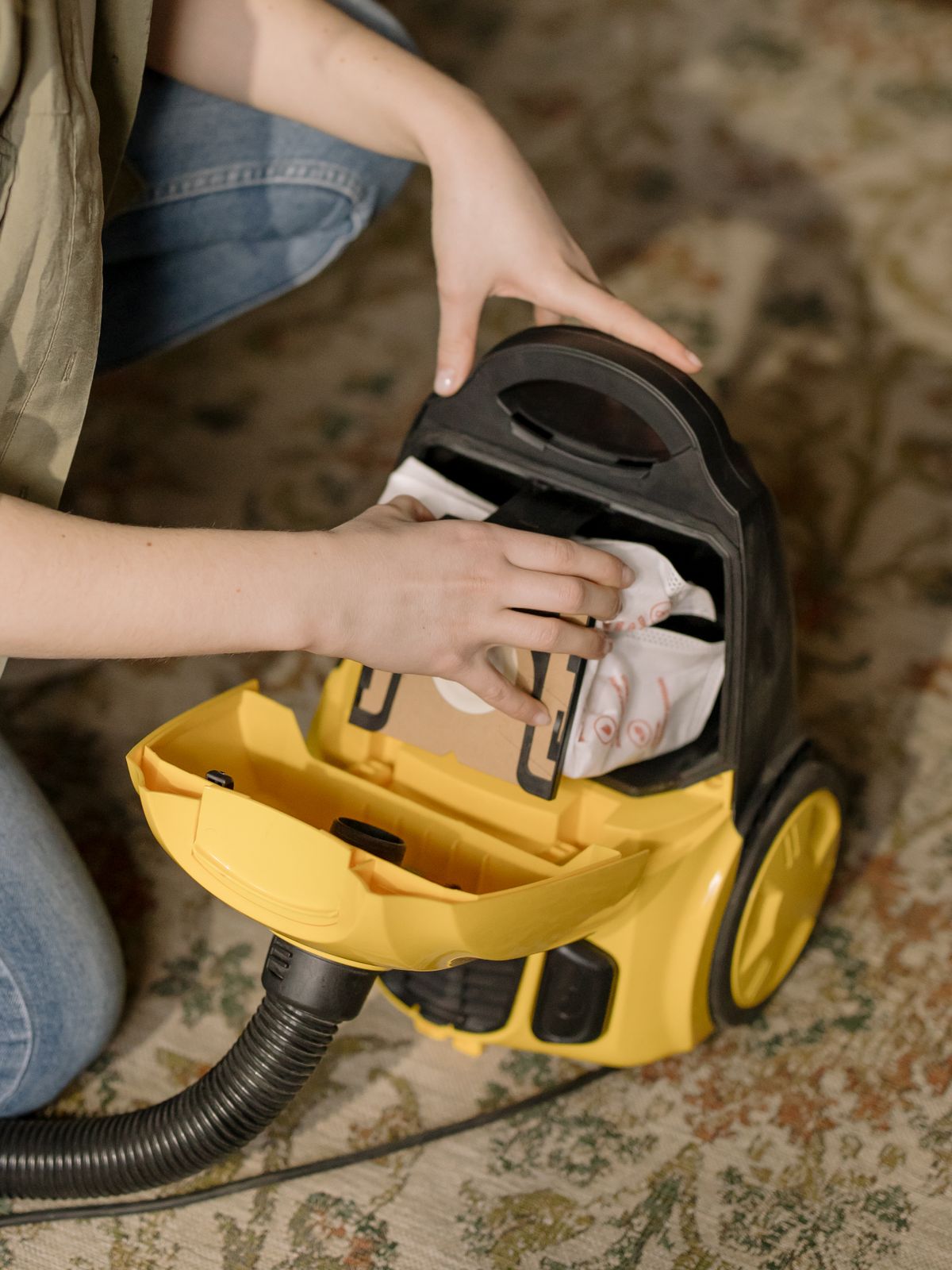
Tools and Materials You’ll Need
Before you dive into robot vacuum maintenance, gather a few simple household items to make the process quick and hassle-free:
- Soft cloth – for wiping dirt and dust off brushes and wheels
- Scissors or seam ripper – to carefully cut away tangled hair or threads
- Tweezers – perfect for pulling out stubborn hair or debris from tight spots
- Small brush or old toothbrush – to scrub hidden dirt from the bristles and wheels
- Mild soap – for a gentle deep clean on washable parts
- Compressed air (optional) – helps blow out dust trapped in small crevices
Safety tip: Always power off your robot vacuum and, if possible, remove the battery before you start cleaning. This prevents accidental activation and keeps your cleaning process safe.
With these tools handy, you’re all set to keep your robot vacuum brushes and wheels in top shape. Say goodbye to performance drops caused by hair tangles and dirt buildup!
How Often to Clean Brushes and Wheels
To keep your robot vacuum running smoothly, regular cleaning of the brushes and wheels is essential. For homes with pets or lots of long hair, it’s best to clean the main brushes weekly. This helps prevent hair tangles and maintains optimal performance. If you don’t have pets and your vacuum sees lighter use, cleaning once a month should suffice.
Wheels also need attention but slightly less often. Check them weekly and clean off any debris, especially if you have carpets where dirt and fibers can accumulate quickly. For hardwood or tile floors, cleaning wheels may be needed less frequently, but still keep an eye on them.
Factors like pet hair, floor type (carpet vs. hardwood), and how often you run your vacuum (daily vs. occasional use) will influence how often you should clean. The more frequent and demanding the use, the more often maintenance is required to prevent hair buildup and keep the wheels and brushes moving freely.
Step-by-Step Guide to Cleaning the Main Brush Rollers
Start by locating the main brush rollers, usually found underneath your robot vacuum. These can be rubber rollers or bristle brushes, depending on your model. To remove them, check for clips or screws – many modern vacuums make removal straightforward.
Once you have the brushes out, inspect them for tangled hair, strings, and debris. Use scissors to carefully cut through any wrapped hair or fibers, then pull them out with tweezers or your fingers. Take your time here, as removing all trapped hair helps prevent motor strain and keeps your robot vacuum running smoothly.
For a deeper clean, wash the brushes with warm, soapy water—only if your manufacturer approves it. Avoid soaking rubber extractors too long; a quick wash and rinse will do. After washing, rinse thoroughly and air dry the brushes completely before reinstalling them. This prevents moisture damage or mold buildup inside the vacuum.
Finally, reinstall the brushes properly, ensuring they click or screw back firmly into place. Proper reattachment is key to maintaining optimal brush roll performance and preventing any unusual noises or poor cleaning results.
Regular main brush roll maintenance is crucial for detangling robot vacuum brushes and extending their lifespan, especially when dealing with pet hair or dust buildup. If you want more tips on keeping your vacuum in top shape, it’s helpful to combine this with cleaning other parts regularly.
Cleaning the Side Brushes
Side brushes play a key role in sweeping dirt toward the main brush, so keeping them clean is essential for effective robot vacuum maintenance.
Removing the side brushes is usually simple—they either snap off or are secured with a small screw. Use a screwdriver if needed, or gently pull to detach snap-off brushes.
Once removed, wipe the bristles carefully with a soft cloth or an old toothbrush to remove dust and debris. Check for any wrapped hair, strings, or pet fur tangled around the base or bristles. Use scissors or tweezers to carefully cut and pull away these tangles to prevent motor strain and performance drop.
Don’t forget to clean the attachment points where the side brushes connect to the vacuum. Dust or hair buildup here can block rotation, so use a small brush or compressed air to clear these spots.
After cleaning, reinstall the side brushes securely, ensuring they click or screw back tightly in place. Proper reinstallation avoids loose brushes that could damage floors or wear unevenly.
Keeping your robot vacuum side brushes clean helps prevent hair tangles and maintains smooth operation, especially in homes with pets or lots of dust. For more on cleaning other parts like the main brush and wheels, check out our full guide on robot vacuum brush maintenance.
How to Clean the Wheels for Smooth Movement
Keeping your robot vacuum wheels clean is key to smooth navigation and avoiding performance issues. Start with the front caster wheel, which often collects hair and debris wrapped around the axle. Carefully remove the wheel—most models allow you to snap or unscrew it off—then use scissors or tweezers to cut and pull away any tangled hair or dirt. Wipe the wheel and axle clean with a soft cloth.
Next, focus on the side or drive wheels. These wheels can trap dust, pet hair, and other particles around their axles, causing resistance. Use a damp cloth to wipe the axles and remove debris. For stubborn buildup, compressed air can help blow out hard-to-reach dirt without damaging components.
Regular robot vacuum wheel cleaning prevents jams and ensures the wheels roll freely, extending your device’s lifespan. For more on maintaining moving parts, check out tips on extending the lifespan of your home appliances.
Additional Maintenance Tips While You’re At It
While cleaning the brushes and wheels, take a moment to do a quick check on other key parts of your robot vacuum. Wipe down sensors, charging contacts, and cliff detectors with a soft cloth to make sure your vacuum navigates smoothly and docks properly. These areas can easily get dusty or covered in dirt, which may affect performance.
Don’t forget to empty the dustbin and tap out the filter regularly. A clogged filter reduces suction power and can strain the motor over time. Keeping the dustbin and filter clean is essential for overall robot vacuum maintenance.
Some brands have specific parts that need extra care. For example, Roomba’s rubber extractors benefit from removing tangled hair often, while Roborock models with duo-rollers may require more frequent deep cleaning to prevent buildup. Following these brand-specific tips helps extend the life of your brushes and rollers without favouring one brand over another.
For more in-depth advice on maintaining home appliances, including smart cleaning tools, check out similar guides on robot vacuum maintenance.
Common Mistakes to Avoid
When cleaning robot vacuum brushes and wheels, avoid using excessive water on parts that aren’t washable. Too much moisture can damage motors, bearings, or electrical components. Always check your vacuum’s manual before washing any brush rollers or wheels with water.
Also, never forget to dry the parts completely before putting them back. Damp components can cause mold growth or may lead to rust and mechanical issues, reducing the lifespan of your robot vacuum.
Another common mistake is overlooking hidden hair buildup around bearings or axles. Hair and debris can get stuck deep inside, causing the wheels or brushes to jam and affecting performance. Use tweezers or a small brush to carefully remove tangles from these tight spots.
Taking care with these points will help keep your robot vacuum running smoothly and avoid costly repairs or premature part replacements. For more tips on maintaining your vacuum’s rollers and brushes, check out this detailed guide on deep clean robot vacuum parts.
Troubleshooting Persistent Issues After Cleaning
If your robot vacuum still isn’t performing well after cleaning the brushes and wheels, it might be time to check for worn or damaged parts. Brushes, especially main brush rollers and side brushes, can lose their effectiveness over time as bristles wear down or rubber extractors crack. Similarly, wheels that are cracked, loose, or heavily clogged can affect movement and cleaning performance.
When to replace brushes or wheels:
- Brushes: Replace if bristles are frayed, rubber parts are cracked or hardened, or hair tangles keep reappearing despite cleaning. Most manufacturers recommend replacing brushes every 6 to 12 months depending on use, especially in homes with pets.
- Wheels: Swap out wheels if they don’t spin freely after cleaning, show visible damage, or cause your vacuum to get stuck frequently.
Regular inspection and timely replacement of these parts can keep your robot vacuum running smoothly and prevent issues like poor suction, uneven cleaning, or navigation problems. If problems continue, reviewing manufacturer guidelines or seeking professional advice can help extend your vacuum’s life.
For related maintenance tips on cleaning sensors or checking the charging contacts, you might find helpful advice on managing similar home appliance troubles in home appliance repair guides.