If you want to save money and avoid the hassle of replacing broken appliances too soon, knowing general tips to extend appliance lifespan is a game changer. Today’s household appliances—from refrigerators to washers and dryers—aren’t built to last forever, but with the right care, you can add years to their life, boost energy efficiency, and stop costly repairs before they start. In this guide, you’ll discover simple yet effective habits and appliance-specific maintenance tips that anyone can follow. Ready to get your appliances running longer and stronger? Let’s dive in.
Why Appliance Lifespan Matters Today
In today’s fast-paced world, getting the most out of your home appliances saves both money and hassle. Knowing the average appliance lifespan helps you plan better and avoid unexpected breakdowns. Appliances like refrigerators, washers, and dryers are essential, so extending their life means fewer replacements and less waste—good for your wallet and the planet.
Several factors can shorten appliance lifespan, but the good news is that simple habits go a long way. Overloading machines, ignoring routine appliance cleaning, or skipping maintenance cause wear and tear faster. Hard water can also damage parts quickly if not addressed. The right care—like regular cleaning, following manufacturer guidelines, and prompt repairs—can prevent appliance breakdowns, prolong appliance durability, and keep your household running smoothly.
By adopting small daily habits, you protect your investments and enjoy efficient, energy-efficient appliances longer. It’s easier than you think to make a big difference in home appliance longevity with just a bit of routine care and attention.
General Maintenance Principles for All Appliances
To prolong appliance durability and ensure home appliance longevity, following some basic maintenance principles is key. First, always refer to the manufacturer’s manual for specific care instructions and safety guidelines. This helps avoid common mistakes that can shorten appliance lifespan.
Using surge protectors can safeguard your appliances from electrical spikes that might cause costly damage. Proper installation is also crucial—whether it’s a washer, dryer, or oven, an expert setup prevents early breakdowns and ensures optimal performance.
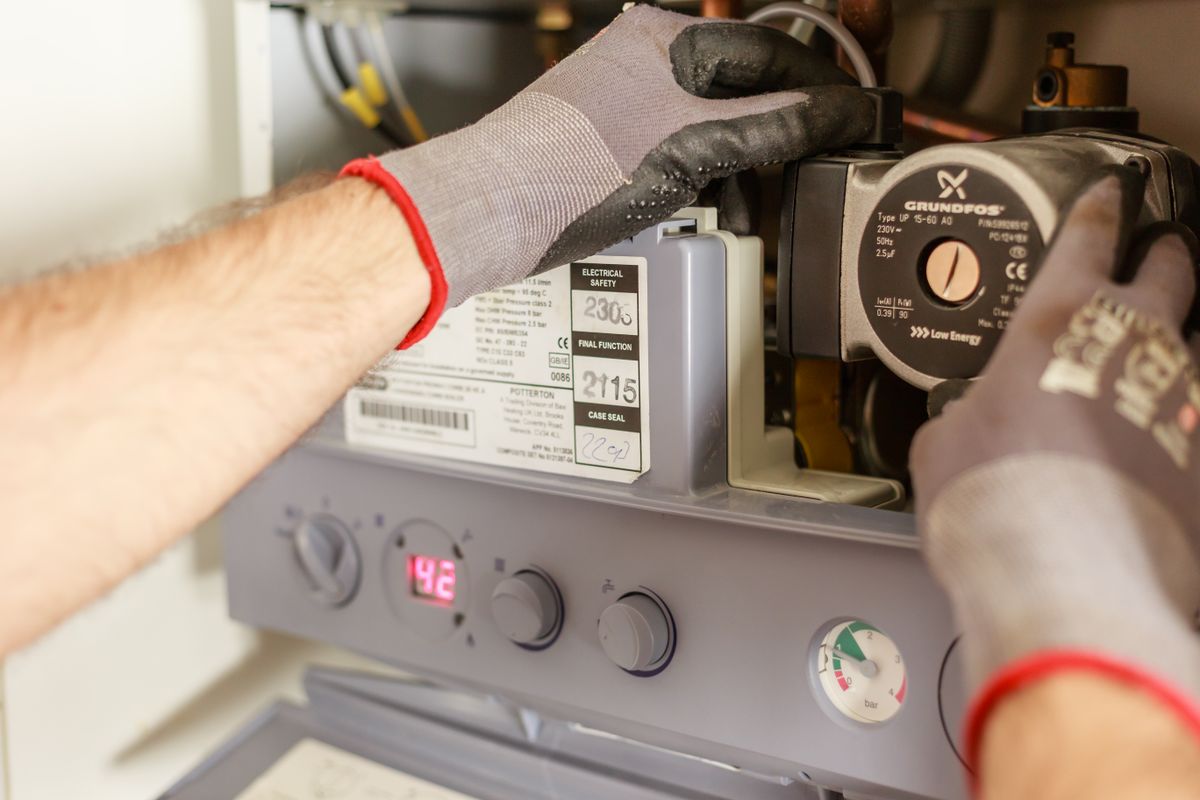
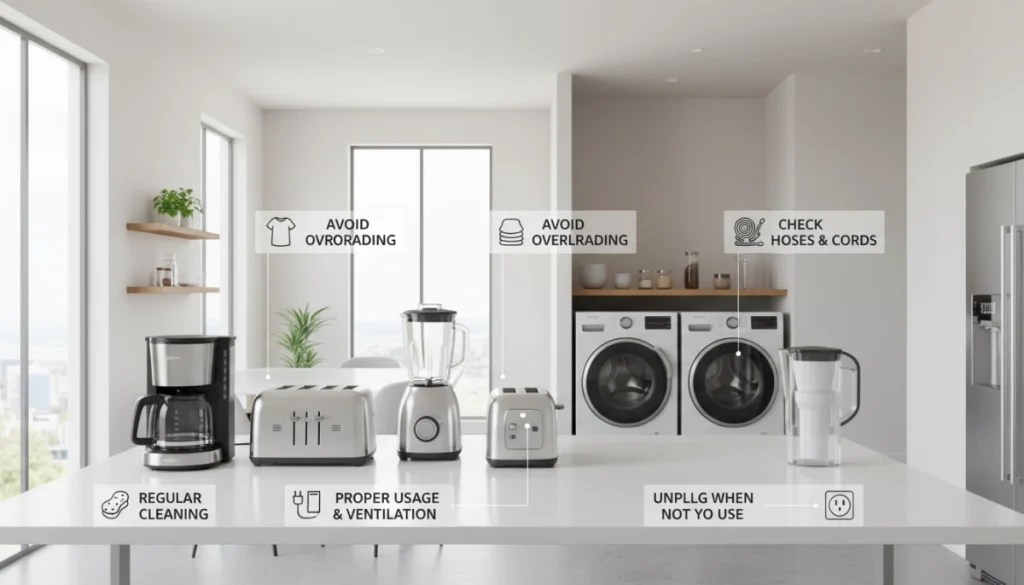
Avoid overloading appliances like washers and dishwashers. Putting too much strain on motors and components leads to quicker wear and tear. Regular annual inspections by a professional can catch small issues before they become major problems, saving money and hassle.
When you notice a problem, prompt issue handling is essential to prevent further damage. Delaying repairs can lead to appliance failure and higher replacement costs. These simple steps in household appliance care set a solid foundation to prevent appliance breakdowns and get the most out of your investment.
Appliance-Specific Tips to Extend Lifespan
Different appliances need specific care to keep running smoothly and extend their lifespan. Here are practical appliance maintenance tips for the most common household devices:
Refrigerator Care and Cleaning
- Clean condenser coils regularly to prevent overheating and improve efficiency. Dust buildup is a silent killer for fridge life.
- Check door seals to ensure they’re airtight; replace worn gaskets to avoid cold air leaks.
- Defrost manual models periodically to prevent ice build-up.
- Keep the fridge at the right temperature, usually between 37-40°F (3-4°C), for optimal operation.
- For detailed steps on refrigerator upkeep, consider this DIY guide to cleaning refrigerant coils.
Dishwasher Maintenance
- Clean filters and spray arms regularly to prevent clogs and maintain water flow.
- Run an empty wash cycle with vinegar or dishwasher cleaner monthly to break down limescale and grease.
- Check and clean the door seals to prevent leaks and mold buildup.
Washing Machine Tips
- Avoid overloading; giving your washer some breathing room reduces wear on the motor and drum.
- Use the recommended detergent type and quantity to prevent residue buildup.
- Leave the door open after use to let the interior dry out, reducing mould and smells.
Dryer Upkeep
- Clean the lint trap after every use to maintain airflow and prevent fire hazards.
- Regularly clean the dryer vent to avoid blockages that can overheat the machine and reduce drying efficiency.
- Inspect the drum seal and thermostat for signs of wear.
Oven and Range Care
- Clean spills and grease promptly to avoid damaging heating elements or causing bad odors.
- Check door seals and hinges for wear to maintain temperature consistency.
- For troubleshooting heating or performance issues, useful tips can be found in our article on troubleshooting an oven.
- Avoid using oven cleaners that are too harsh and always follow the manufacturer’s recommendations.
Microwave Advice
- Clean the interior regularly to prevent food buildup and sparks.
- Don’t operate the microwave empty; this can damage the magnetron.
- Use microwave-safe containers to avoid damage inside the cavity.
Other Appliances Maintenance
- For smaller appliances like coffee makers or air purifiers, follow routine cleaning instructions specific to each unit.
- Replace filters and parts as advised in manufacturer manuals to maintain performance.
By following these appliance-specific maintenance tips, you can significantly prolong appliance durability, reduce the risk of breakdowns, and keep your home running efficiently. Regular care tailored to each machine also helps maintain energy efficient appliances—saving money and hassle in the long run.
The Role of Water Quality in Appliance Longevity
Water quality plays a big role in how long your appliances last, especially those that use water like washing machines, dishwashers, and refrigerators with ice makers. Hard water, which contains high levels of minerals like calcium and magnesium, can cause serious damage over time.
Impact of Hard Water on Appliances
Hard water leads to mineral buildup inside your appliances, which can cause:
- Clogs and scale buildup in pipes and heating elements
- Reduced efficiency and longer running times
- Early wear and tear on parts like valves, pumps, and seals
- Frequent breakdowns and repairs
| Common Issues Caused by Hard Water | Effects on Appliance | Result |
|---|---|---|
| Mineral deposits in pipes | Reduced water flow | Overheating and damage |
| Scale buildup on heating elements | Poor heating efficiency | High energy bills |
| Corrosion of internal components | Part failure | Costly repairs |
Benefits of Water Softeners
Installing a water softener or using water treatment systems can greatly improve home appliance longevity by:
- Reducing mineral buildup and scaling
- Protecting internal parts from corrosion
- Improving energy efficiency
- Lowering maintenance needs and repair costs
Routine appliance cleaning and water softening can work hand-in-hand to prevent appliance breakdowns and prolong appliance durability over time. For washing machines and dishwashers, in particular, softened water helps reduce detergent residue and keeps them running smoothly longer.
For more on how to care for appliances affected by water damage, check out tips on common causes of water leaks that can lead to costly repairs.
Signs It’s Time to Repair or Replace Appliances
Knowing when to repair or replace your appliances is key to managing home appliance care and preventing costly breakdowns. Here are some common red flags that suggest it’s time to act:
- Frequent Breakdowns: Constant repairs can add up. If your appliance needs fixing more than once a year, it might be more cost-effective to replace it.
- Rising Energy Bills: Older or malfunctioning appliances often use more energy. If your utility costs spike unexpectedly, consider upgrading to energy efficient appliances.
- Unusual Noises or Smells: Strange sounds or burning smells usually mean internal damage, which can shorten appliance lifespan or pose safety risks.
- Declining Performance: When your refrigerator can’t keep food cold, or your washer isn’t cleaning properly, these issues indicate wear beyond simple maintenance.
- Visible Damage or Rust: Exterior damage can sometimes hide internal problems. Rust especially can signal corrosion that compromises function.
Repair vs Replace Factors
Deciding to repair or replace involves balancing costs and longevity:
- Age of Appliance: The average appliance lifespan varies—refrigerators typically last 10-15 years, washers and dryers about 8-12 years. If your appliance is nearing or past this, replacement might be smarter.
- Repair Costs: If the repair is over 50% of a new unit’s price, replacing is usually better.
- Frequency of Repairs: Repeated fixes mean more downtime and expenses.
- Availability of Parts: For older models, parts may be hard to find or expensive.
- Energy Efficiency Gains: Newer appliances with better energy ratings not only save money but also extend overall home appliance longevity.
For detailed guidance on making the right choice, check out this expert advice on how to make the wise choice to invest in new appliances.
Paying attention to these signs and factors will help you prolong appliance durability and avoid unexpected failures. Promptly handling issues keeps routine appliance cleaning and maintenance effective, ensuring your home machines run smoothly longer.