If you’ve ever noticed a strange whistling noise from your vacuum exhaust, you’re not alone — and it usually points to an air restriction alert. This high-pitched whistle isn’t just annoying; it’s your vacuum’s way of telling you something’s blocking the airflow. Whether it’s a clogged hose, a full dust bin, or a dirty filter, this is one issue that’s often easy to fix at home. In this guide, you’ll discover what causes that whistling sound, how to troubleshoot it step-by-step, and simple tips to keep your vacuum running smoothly without that pesky noise. Let’s get straight to the root of the problem!
Why Does Your Vacuum Make a Whistling Noise from the Exhaust?
A strange whistling noise from your vacuum exhaust is usually a sign of air restriction. When air can’t flow smoothly through the vacuum, it creates a high-pitched vacuum sound as it struggles to pass through blockages or narrow spaces. This whistling often means the vacuum’s airflow is being limited somewhere along the path.
The primary cause of this whistling noise is often clogged filters. Dirty vacuum filters restrict air movement, forcing the motor to work harder and creating that sharp whistle from the exhaust. Another common culprit is a blocked suction relief valve, which is designed to regulate airflow. When this valve is jammed or stuck, it can cause a strange vacuum exhaust whistle as air tries to escape.
Both clogged filters and a faulty suction relief valve interfere with normal airflow, which not only leads to annoying noises but can reduce suction power and put extra strain on your vacuum’s motor. Recognizing these issues early helps keep your vacuum running smoothly and prevents further damage.
Common Causes of Air Restriction Leading to Whistling
A whistling noise from your vacuum exhaust often signals air restriction. The most common culprits include a full dust bin or bag, which blocks airflow and causes that high pitched vacuum sound. A clogged vacuum hose or nozzle is another usual suspect — debris stuck inside tight spots narrows the air path, leading to a vacuum exhaust whistle.
Dirty or clogged filters also contribute significantly. When filters aren’t cleaned or replaced regularly, they restrict airflow, resulting in a noticeable dirty vacuum filter noise. Similarly, brush roll obstructions like hair and threads wrapped around the brush can limit suction and cause unusual sounds.
Worn seals in the vacuum system can let air escape or alter airflow dynamics, resulting in a reduced suction whistling effect. Ensuring these areas are checked during maintenance helps keep airflow clear and cuts down on annoying vacuum cleaner loud whine issues.
Addressing these common causes promptly can prevent motor strain and extended damage, maintaining smooth vacuum performance. For tips on seal maintenance and other parts care, you can refer to essential insights on the role of door seals in appliances.
Step-by-Step Troubleshooting and Fixes
Before you start, always unplug your vacuum to stay safe while checking for issues. A whistling noise often points to air restriction, so here’s how to tackle it step-by-step:
- Empty the dust bin or replace the bag: A full dust container can cause a full dust bin whistle and reduce suction. Make sure it’s emptied or swapped out regularly.
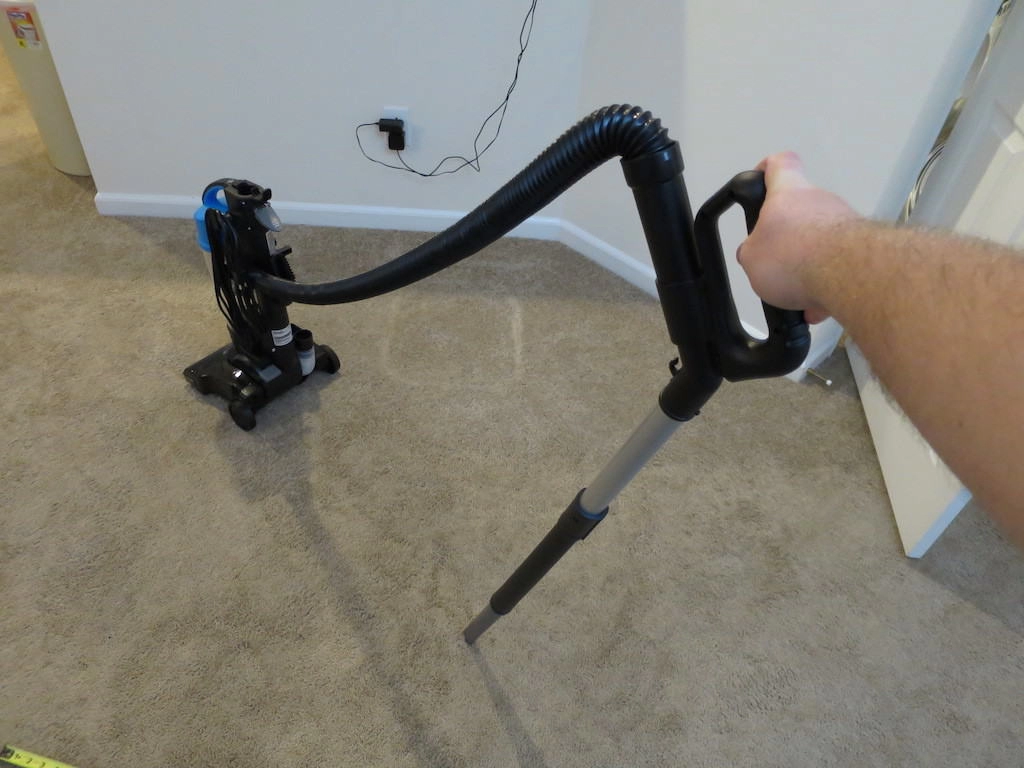
- Check and clear hose blockages: Detach the hose and inspect for clogs. To test, you can blow air through it or use a long flexible rod to push debris out. A clogged vacuum hose often causes that high pitched vacuum sound you hear.
- Clean or replace filters: Filters can be washable or disposable. Wash the washable ones with water and let them dry completely before reinstalling. Replace disposable filters as per the manufacturer’s recommendations. Dirty vacuum filter noise is a common whistling source.
- Inspect the brush roll: Remove hair, threads, and other debris wrapped around the vacuum brush roll clog. This can restrict airflow and cause unusual sounds.
- Clean the exhaust port and suction relief valve area: Dust buildup here can lead to a vacuum exhaust whistle. Wipe these areas clean carefully to restore proper airflow.
After each step, reconnect the vacuum and test it. This will help you isolate exactly what’s causing the whistling or air restriction. For issues related to motor brushes, understanding how to replace a faulty vacuum motor brush may also come in handy and can be found in detailed guides for vacuum maintenance.
When the Whistling Indicates a Bigger Problem
If the strange whistling noise from your vacuum exhaust continues even after you’ve cleared blockages, cleaned filters, and emptied the dust bin, it could be a sign of a bigger issue. Persistent high-pitched vacuum sound often means the motor is straining due to worn parts, a damaged impeller, or failing suction relief valve. These issues can reduce suction power and put extra stress on your vacuum’s motor.
Watch out for warning signs like a burning smell, poor suction despite a clean filter and clear hose, or the vacuum overheating frequently. These symptoms usually mean the motor is struggling and may soon fail if not repaired.
At this stage, it’s best to seek professional help. Ignoring these noises could lead to costly motor burnout or permanent damage. For guidance on when to get expert assistance, check out advice on when to call a professional for vacuum repairs.
How to Prevent Whistling Noises and Air Restrictions
Preventing that annoying vacuum cleaner whistling noise starts with good habits. Here’s what you can do:
- Empty the dust bin or replace the bag after every use to avoid a full dust bin whistle caused by blocked airflow.
- Clean or replace filters monthly, especially if your vacuum has washable or HEPA filters. This helps keep the vacuum exhaust whistle and dirty vacuum filter noise at bay. For guidance on filters, check out this detailed HEPA and premotor filters cleaning guide.
- Use the right attachments for different floor types. Using the wrong nozzle or brush can cause the vacuum motor straining noise and blocked vacuum airflow that leads to whistling.
- Avoid vacuuming large chunks or wet debris, which often clog hoses and brush rolls, causing a high pitched vacuum sound and suction relief valve issues.
- Replace worn parts like seals and brush rolls according to the manufacturer’s schedule to maintain smooth airflow and stop reduced suction whistling.
- Store your vacuum properly—keep the hose straight and avoid sharp bends to prevent a clogged vacuum hose that can trigger vacuum exhaust whistle and squealing sounds.
Good, consistent care means fewer surprises and keeps your vacuum running quieter and more efficiently.
Frequently Asked Questions
Is the whistling noise dangerous?
A strange whistling noise from your vacuum exhaust is more than just annoying—it can signal air restriction that strains the motor. If ignored, this can lead to motor burnout or overheating, resulting in costly repairs or even total vacuum failure. So, don’t overlook a high pitched vacuum sound coming from your cleaner.
Do popular brands like Shark, Dyson, and Bissell have this issue?
Yes, vacuum cleaner whistling noise is common across many top brands, including Shark, Dyson, and Bissell. It usually points to similar causes such as clogged vacuum hoses, dirty vacuum filter noise, or issues with the vacuum suction relief valve. Regular maintenance helps prevent these noises regardless of brand.
Can dirty exhaust filters alone cause whistling?
Absolutely. A clogged or dirty exhaust filter restricts airflow, which can create a distinct vacuum exhaust whistle or a loud whine. Cleaning or replacing the clean vacuum exhaust filter as recommended can often fix this issue quickly.
What happens if I cover the vacuum exhaust?
Covering the vacuum exhaust artificially blocks airflow, worsening air restriction. This not only increases the strange whistling noise but risks overheating the motor and causing damage. Always keep the exhaust area clear to maintain proper airflow and prevent vacuum motor straining noise.
For more on identifying part issues and replacement tips, check our guide on the top 10 most frequently replaced vacuum parts.



Leave a Reply