How Door Seals Work
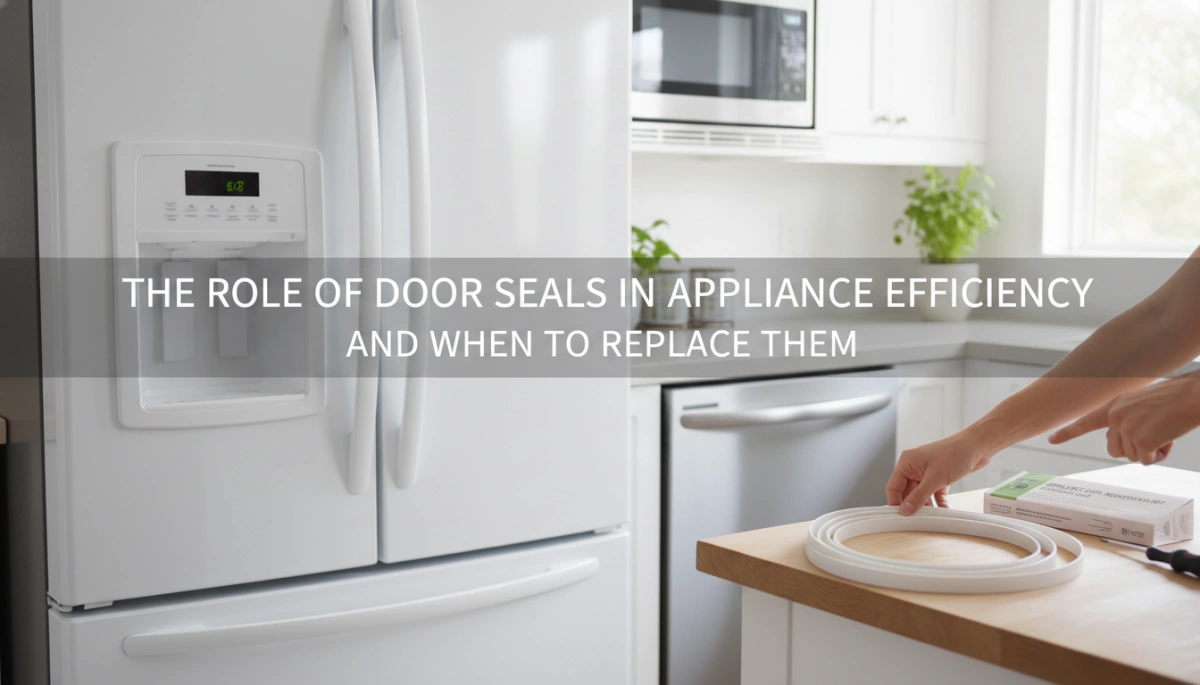
Door seals, also known as refrigerator door gaskets or oven door seals, are flexible rubber or silicone strips designed to create an airtight barrier around appliance doors. These seals play a crucial role in keeping your appliances energy efficient by preventing unwanted air exchange.
In refrigerators and freezers, the door seal stops cold air from escaping and warm air from entering. This tight seal helps maintain the ideal cold temperature inside, reducing frost buildup and spoilage. Without a proper fridge seal replacement when needed, your appliance works harder to stay cool, increasing energy use.
For ovens and ranges, door gaskets trap heat inside, ensuring consistent cooking temperatures and even baking results. A worn oven gasket can lead to heat loss, longer preheat times, and uneven cooking.
Modern door seals often include magnetic strips embedded within the rubber or silicone. These magnets enhance closure by pulling the door firmly against the frame, improving the airtight seal. This feature boosts overall performance and appliance energy savings.
In , whether it’s a freezer door seal or an oven gasket, these components are essential in maintaining appliance efficiency and performance by keeping temperatures stable and energy use low.
The Critical Role of Door Seals in Appliance Efficiency
Door seals play a major part in how well your appliances perform and how much energy they use. When a refrigerator door gasket or oven door seal is worn or damaged, it no longer forms a proper airtight door seal. This means cold air can escape fromidges and freezers, or heat can leak from ovens, forcing compressors or heating elements to work much harder. In fact, faulty seals can increase energy consumption by up to 25% in refrigerators alone, leading to noticeably higher electric bills.
Keeping a tight seal maintains temperature stability inside your appliance. For refrigerators and freezers, this means food stays fresher longer with less risk of spoilage. For ovens, an effective gasket ensures even cooking and consistent temperatures throughout the process. This stability also extends the lifespan of your appliance by reducing strain on critical parts like compressors and heating elements that would otherwise cycle more frequently.
Beyond saving energy and protecting your food, good seals contribute to environmental benefits. Using less power cuts down your household’s carbon footprint while lowering utility costs. Simple upkeep or timely fridge seal replacement can make a real difference in appliance energy savings over time, helping you save money and reduce your impact on the planet.
For more on how fridge gasket problems affect efficiency and when to act, check out our detailed guide on why your refrigerator door won’t seal properly.
Common Appliances Affected by Door Seal Issues
The most common appliances impacted by worn or damaged door seals are refrigerators and freezers. A faulty refrigerator door gasket or freezer door seal allows cold air to escape and warm air to enter, causing frost buildup, higher energy consumption, and ultimately food spoilage. This is one of the leading causes of refrigerator gasket problems and often results in frequent compressor cycling to maintain the desired temperature.
Ovens and ranges also suffer when the oven door seal is compromised. Heat escapes through gaps, leading to uneven baking, longer preheat times, and inconsistent cooking results. This not only affects your food’s quality but also raises your energy bills.
Though less common, other appliances like dishwashers can have issues with door seals that cause leaks or reduce cleaning efficiency, but the main energy efficiency concerns center on fridges, freezers, and ovens. For detailed fridge seal troubleshooting, you can check specific advice on fixing ice maker issues, which often relate to door gasket problems.
Signs It’s Time to Replace Your Door Seals
Knowing when to replace your door seals is key to keeping your appliances efficient and reliable. Here are clear signs your fridge seal or oven gasket needs attention:
- Visual Damage: Look for cracks, tears, brittleness, warping, or any mold buildup on the refrigerator door gasket or oven door seal. These are obvious signs that the seal is failing.
- Performance Issues: Notice excessive frost buildup in your freezer or condensation inside your fridge? Warm spots inside your refrigerator or oven can also mean the seal isn’t airtight. If the door won’t close properly or the compressor cycles frequently, it’s time to check the seal.
- Simple Tests: The classic dollar bill test is a quick way to check your fridge seal. Close a bill in the door—if it slides out easily, your seal is leaking air. Also, look for visible gaps when the door is shut.
- Indirect Indicators: Rising energy bills or uneven cooking results can hint at worn door seals affecting appliance efficiency. If your oven takes longer to heat up or your fridge isn’t keeping things cold as before, consider inspecting the gasket.
If you’re troubleshooting oven gasket replacement, more details about oven issues are covered in this helpful guide on why your oven is making strange noises, which often ties back to seal problems.
Replacing your door seals promptly prevents bigger problems and keeps your appliances running smoothly.
Consequences of Ignoring Worn Door Seals
Ignoring worn refrigerator door gaskets or oven door seals can lead to several costly problems. Firstly, faulty seals cause higher energy costs because appliances work harder to maintain the right temperature. For refrigerators and freezers, this means compressors run longer, driving up your electric bills fridge owners often notice. In ovens, heat loss from a damaged oven gasket means increased cooking times and uneven results.
Beyond energy waste, poor door gasket maintenance affects food safety. A worn refrigerator seal allows cold air to escape and warm air to enter, which can cause frost buildup freezer compartments and spoilage of perishables. Similarly, a faulty oven door seal results in uneven cooking or baking, impacting meal quality. Over time, the extra strain on compressors and heating elements shortens appliance life and often leads to expensive repairs or early replacements.
Addressing signs of bad fridge seal promptly avoids these issues and ensures your appliance runs efficiently. For tips on diagnosing appliance problems, check resources like this guide on how to diagnose unusual appliance issues.
How to Maintain Door Seals for Optimal Performance
Keeping your refrigerator door gasket or oven door seal in good shape is key to appliance energy savings and overall efficiency. Here’s how to maintain them easily:
- Regular cleaning: Use mild soap and water to wipe down door seals. Avoid harsh chemicals that can damage the flexible rubber or silicone material. For refrigerators, you can also follow a detailed routine on cleaning seals from a DIY guide to cleaning refrigerators.
- Lubrication: Apply a thin layer of petroleum jelly or specialized gasket lubricant to the seal. This helps prevent drying, cracking, and brittleness that cause worn refrigerator seals or oven gasket issues.
- Gentle usage: Avoid slamming doors. Gentle closing helps maintain the airtight door seal and keeps the magnetic strips working properly over time.
- Routine inspections: Check your fridge seal or oven gasket monthly for signs of wear like cracks, gaps, or warping. Early detection helps avoid bigger problems like frost buildup in freezers or uneven oven heating.
By following these simple steps, you can extend the life of your appliance seals, maintain temperature stability, and save on higher electric bills caused by faulty seals.
Step-by-Step Guide to Replacing Door Seals
Replacing a worn refrigerator door gasket or an oven door seal doesn’t have to be complicated. Here’s a simple guide to help you get it right.
Tools Needed and Safety Precautions
- Flathead screwdriver or putty knife
- Warm water and cloth
- Replacement gasket (model-specific is best for a perfect fit)
- Optional: Petroleum jelly for lubrication
Before you start, unplug the appliance for safety and clear the area around the door.
Finding the Right Replacement
When searching for a new fridge seal replacement or oven gasket, always check your appliance model number. Many seals are model-specific, which ensures a snug, airtight door seal. Universal options exist but might not fit as well, leading to energy inefficiency.
Removing the Old Seal
- Open the door fully.
- Gently pull the seal away from the groove it sits in. Most seals are held by a lip or clip, so a slow, steady pull usually frees them.
- Clean the seal groove thoroughly to remove dirt or mold, which can affect the new seal’s fit.
Installation Process
- Soften the new seal by soaking it in warm water if it’s stiff—this helps it flex better.
- Starting at one corner, press the new gasket into the groove, making sure it fits all around.
- Work your way around the door, ensuring the magnetic strip (if present) aligns correctly for a tight closure.
- Avoid forcing the seal; if it doesn’t fit, double-check the model or try gently warming the gasket for flexibility.
Post-Replacement Testing
- Use the dollar bill test: close the door on a bill and see if it slides out easily. If yes, adjust the seal or reinstall to improve the airtight seal.
- Monitor the appliance for a few days to ensure consistent temperature and no frost buildup or heat loss.
For tips on keeping your new seal in top shape, including occasional lubrication to prevent drying and cracking, check out this guide on lubricant selection for appliance parts.
Following these steps will help you maintain energy-efficient appliances and avoid unnecessary higher electric bills from worn refrigerator seals or oven gaskets.
Benefits of Timely Door Seal Replacement
Replacing worn door seals promptly brings clear benefits for your appliances—and your wallet. Here’s what you gain by acting early:
| Benefit | Why It Matters |
|---|---|
| Immediate Energy Savings | A tight fridge seal reduces compressor strain, cutting electricity use by up to 25%. Ovens with good seals heat faster and use less power. This means noticeable drops in your utility bills due to better appliance energy savings. |
| Improved Appliance Performance | Seals that fit snugly maintain temperature stability. This leads to fresher food, less frost buildup/freezer door seal issues, and more even cooking results. |
| Longer Appliance Life | Less strain on compressors and heating elements reduces repairs and extends lifespan—saving you costly replacements down the line. |
| Better Food and Cooking Quality | Fridge gasket problems like warm spots can spoil food faster, while ovens need consistent heat for perfect baking. A fresh seal improves both. |
| Cost-Effective Fix | Door gasket replacement is a low-cost solution compared to higher electric bills or early appliance replacement. Finding the right fit is easier with model-specific or universal options—check out our guide on discovering the perfect replacement parts for help. |
Timely fridge seal replacement and oven gasket replacement can save hundreds in energy and maintenance costs—making it a smart upgrade to keep your appliance efficient and reliable.



Leave a Reply