How a Refrigerator Ice Maker Works
A refrigerator ice maker follows a simple cycle to turn water into ice cubes. First, it fills the ice mold with water. Then, the water freezes solid inside the freezer. Once frozen, the ice maker harvests the cubes by gently warming the mold to loosen the ice. Finally, it ejects the ice cubes into the storage bin, ready for use.
There are two common types of ice makers: in-freezer models, which are installed inside the freezer compartment, and door-mounted models, found in the fridge door with a built-in dispenser. Door-mounted ice makers usually have smaller ice cubes and a slightly different mechanism to fit the slim door space, but the basic ice-making cycle remains the same.
Understanding this cycle helps with fridge ice maker troubleshooting when you face issues like an ice maker not making ice or producing small, hollow cubes.
Signs Your Refrigerator Ice Maker Is Having Problems
If your refrigerator ice maker is not making ice like it used to, it’s time to check for some common warning signs. The most obvious problem is no ice production at all, which can quickly disrupt your daily routine. Sometimes, the ice cubes appear small, hollow, or cloudy, indicating issues inside the ice maker or with water quality.
You might also notice water leaking from the ice maker, which can cause puddles in the freezer or dripping inside the fridge. Overproducing ice or a jammed ice maker is another red flag, often caused by ice cubes stuck in the ejector or a malfunctioning control arm.
Unusual noises—like buzzing, clicking, or constant cycling on and off—can signal mechanical or electrical troubles. These sounds shouldn’t be ignored as they often point to underlying issues that need fixing before the ice maker stops working completely.
Keeping an eye out for these signs helps you catch problems early and prevents costly repairs, ensuring your ice maker runs smoothly. For more detailed fridge ice maker troubleshooting tips, you might find helpful advice on how to make wise appliance repair choices at this resource.
Basic Checks Before Diving In
Before jumping into more complex fixes for your refrigerator ice maker not working, start with these simple checks:
- Confirm the ice maker is turned on. Look for a switch or check if the control arm is down (some models stop ice production if the arm is up).
- Ensure the ice bin is properly seated. If it’s not in place, the ice maker might pause or stop altogether.
- Verify the freezer temperature. Ice makers need the freezer at or below 0°F (-18°C) to produce good ice.
- Check if the water dispenser works. If the dispenser isn’t delivering water, your ice maker might not be getting water either.
These basic checks can solve common problems like ice maker not making ice or slow ice production before diving into complicated troubleshooting. For more detailed troubleshooting on freezer components, you might find helpful tips similar to those on troubleshooting specific freezer models at this kenwood freezer troubleshooting guide.
Step 1 – Inspect Power and Controls
The first step in fixing ice maker issues in home refrigerators is to check the power and control settings. Start by power cycling your fridge: unplug it for about 5 minutes, then plug it back in. This simple reset can sometimes clear minor glitches causing the ice maker not to work.
Next, look for the reset option on your ice maker. Some models have a reset button, while others require you to lift and lower the ice maker’s control arm or switch off and on from the control panel. Brand-specific reset methods vary, so refer to your fridge’s manual if unsure. Resetting can reboot the ice-making cycle, helping fix common problems like no ice production or constant cycling.
Ensuring the ice maker control arm is in the correct position is crucial—if it’s off or stuck, the unit won’t start making ice. These basic power and control checks often resolve issues quickly before moving on to more detailed troubleshooting. For more about thermostat roles affecting freezer and ice maker performance, you might want to explore the vital role of thermostatic controls in your refrigerator.
Step 2 – Check Water Supply and Pressure
If your refrigerator ice maker is not working properly, the water supply is a key place to check next. First, make sure the water line to your fridge isn’t kinked, bent, or blocked. Even a slight obstruction can reduce water flow and cause poor ice production.
Next, test the water pressure feeding your ice maker. Ideally, it should be between 20 and 120 psi. Too low water pressure can prevent enough water from reaching the ice maker, leading to small, hollow ice cubes or no ice at all. Water pressure that’s too high can also cause damage over time.
Don’t forget to inspect any saddle valves or shut-off valves on the water line. These valves control water flow and, if partially closed or clogged, they can reduce water supply to the ice maker. Opening or replacing faulty valves often restores proper function.
Addressing water supply and pressure issues early can prevent bigger problems with your ice maker. If you need tips on resetting or troubleshooting further, check out our guide on Samsung fridge ice maker troubleshooting for detailed steps tailored to common models.
Step 3 – Examine the Water Filter
The water filter plays a big role in keeping your refrigerator ice maker working smoothly. You should replace the filter about every 6 months to avoid issues. A clogged water filter ice maker can cause slow or no ice production, bad-tasting ice, or even water leaks.
Signs your filter may be clogged:
- Ice maker not making ice or producing less ice than usual
- Ice cubes are small, hollow, or cloudy
- Water dispenser flow is weak or stops completely
- Unusual tastes or smells in the ice
If you’re testing the filter, you can temporarily bypass it to see if the ice production improves. Most refrigerators let you remove the filter and install a bypass plug. Just remember, bypassing the filter isn’t a long-term fix—it’s only for troubleshooting.
Checking and replacing your water filter regularly is a simple step that saves a lot of frustration with fridge ice maker troubleshooting.
Step 4 – Look for Frozen Components
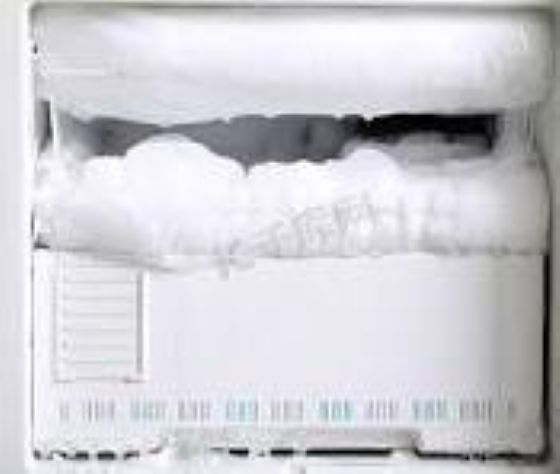
A common reason your refrigerator ice maker is not working is frozen parts inside the system. The fill tube or water line can freeze up, blocking water from reaching the ice maker. To fix this:
- Thaw the frozen tube safely by unplugging the fridge and leaving the freezer door open for a few hours. Avoid using sharp tools or direct heat to prevent damage.
- Check for ice buildup around the ice maker or ejector arms. Ice jams here can stop the ejection of cubes or cause jamming.
Keeping these components clear and ice-free is key to smooth ice production. If frozen parts happen often, you might want to check freezer temperature settings or look for other underlying problems causing excess frost.
Step 5 – Test the Water Inlet Valve
The water inlet valve controls the flow of water into your fridge ice maker. It’s usually located at the back of the refrigerator, near the bottom. If your ice maker is not making ice or is leaking water, this valve could be the culprit.
Signs the Water Inlet Valve Is Failing:
- No ice or very slow ice production
- Constant water leaking inside the freezer
- Unusual noises from the valve area
How to Test the Water Inlet Valve:
- Unplug the fridge for safety.
- Locate the valve and disconnect the water line.
- Use a multimeter to check for electrical continuity on the valve’s terminals.
- If you get no reading or the tester shows a break in the circuit, the valve is faulty.
Replacement Tips:
- Make sure to buy a valve that matches your refrigerator model.
- Replacing the water inlet valve is often straightforward but may require basic tools.
- If you’re not comfortable working with electrical parts or water lines, it’s best to call a professional.
Testing and replacing a faulty water inlet valve can quickly fix issues with your ice maker not producing ice or leaking water, helping you avoid wasting time troubleshooting less likely causes.
Step 6 – Check Mechanical Parts
When your refrigerator ice maker is not working right, it’s smart to check the mechanical parts. Start with the control arm or feeler arm—this small piece tells the ice maker when to stop making ice. If it’s stuck or tilted, the ice maker might think the tray is full and stop producing ice.
Next, look at the ejector blades. These blades push the ice cubes out of the mold. If they’re jammed or broken, ice can get stuck or clump together. Also, the mold thermostat controls freezing cycles; if it’s faulty, the ice won’t form properly.
If you see cracked parts, broken arms, or repeated problems even after simple fixes, it could mean the whole ice maker module needs replacement. In that case, swapping out the entire unit is often the easiest and most effective fix for persistent issues like no ice or jammed ice maker ejector blades.
Checking these mechanical components carefully can save you from bigger troubles down the line and restore your ice maker’s smooth operation.
Common Ice Maker Problems and Targeted Fixes
If your refrigerator ice maker is not working properly, here are the most common issues and what you can do to fix them:
No Ice at All
- Causes: Ice maker turned off, freezer temperature too warm, water supply problems, or faulty water inlet valve.
- Fixes: Make sure the ice maker is switched on and freezer is set below 0°F (-18°C). Check the water line for kinks or blockages. Reset the ice maker or replace the water inlet valve if needed.
Slow or Insufficient Ice Production
- Causes: Low water pressure, clogged water filter, or freezer temperature not cold enough.
- Fixes: Replace the water filter every six months, verify water pressure is between 20-120 psi, and keep freezer properly chilled.
Ice Tastes Bad or Has Odor
- Causes: Old ice cubes, dirty ice bin, or water filter needing replacement.
- Fixes: Clean the ice bin regularly, change the water filter on schedule, and occasionally flush the water line with fresh water.
Leaking Water Inside Freezer
- Causes: Frozen fill tube, cracked water line, or misaligned ice maker parts.
- Fixes: Thaw frozen fill tube carefully, inspect water line for leaks, and check that the ice bin is seated correctly.
Ice Clumping or Sticking Together
- Causes: Ice maker jammed, ejector blades stuck, or control arm off position.
- Fixes: Clear jammed ice, gently free ejector blades if frozen, and ensure the control arm is aligned properly.
By targeting these common problems you can often get your refrigerator ice maker back to making perfect ice without needing a professional. Keep in mind regular maintenance helps prevent many of these issues.
When to Call a Professional Technician
Sometimes, fixing your refrigerator ice maker issues means stepping back and calling a pro. Here’s when you should consider it:
- Electrical Issues: If your ice maker isn’t powering on, keeps tripping breakers, or shows erratic behaviour despite checking all basic steps, it could be an electrical fault. Avoid DIY electrical repairs to stay safe.
- Refrigerant or Sealed System Problems: Ice makers depend on the freezer’s cooling system. If the freezer isn’t cold enough (above 0°F/-18°C) even after adjustments, there might be refrigerant leaks or sealed system faults. These need specialized tools and expertise.
- Persistent Mechanical Failures: When the ice maker control arm is off, ejector blades are jammed, or parts like the water inlet valve fail repeatedly, it might be easier to replace rather than repair. Professionals can guide this.
- Warranty Considerations: If your fridge is still under warranty, calling an authorised service technician can save on repair costs and protect coverage.
- Average Repair Costs: Expect common repairs such as water inlet valve replacement or ice maker module fixes to range between $100 and $300. More complex sealed system repairs or compressor work can cost more.
If your ice maker problems persist despite troubleshooting, a professional technician will save you time and prevent further damage.
Preventing Future Ice Maker Problems
Keeping your refrigerator ice maker working smoothly means staying on top of regular maintenance. Here’s how to avoid common issues and enjoy fresh ice all year round:
- Stick to a Maintenance Schedule: Change the water filter every 6 months to prevent a clogged water filter ice maker and maintain clear, fresh ice. Regularly clean the ice maker and ice bin to stop buildup and blockages.
- Maintain Proper Freezer Temperature: Keep your freezer at or below 0°F (-18°C). This is the perfect freezer temperature for ice maker efficiency and stops problems like small or hollow ice cubes and frozen ice maker fill tubes.
- Watch Freezer Loading: Avoid overstuffing the freezer as this restricts airflow needed for the ice maker to function well.
- Mind Water Quality: Use water softeners or filtered water if your tap water is hard or full of impurities. Poor water quality can cause ice to taste bad or have odor.
- Annual Deep Cleaning: Once a year, deep clean refrigerator coils and water lines to remove dust and grime. This helps the ice maker run without strain and reduces chances of ice maker leaking water or mechanical failures.
Simple upkeep like this prevents common fridge ice maker troubleshooting headaches and keeps your ice maker making ice reliably, saving you time and money down the road.