Safety Precautions Before Starting
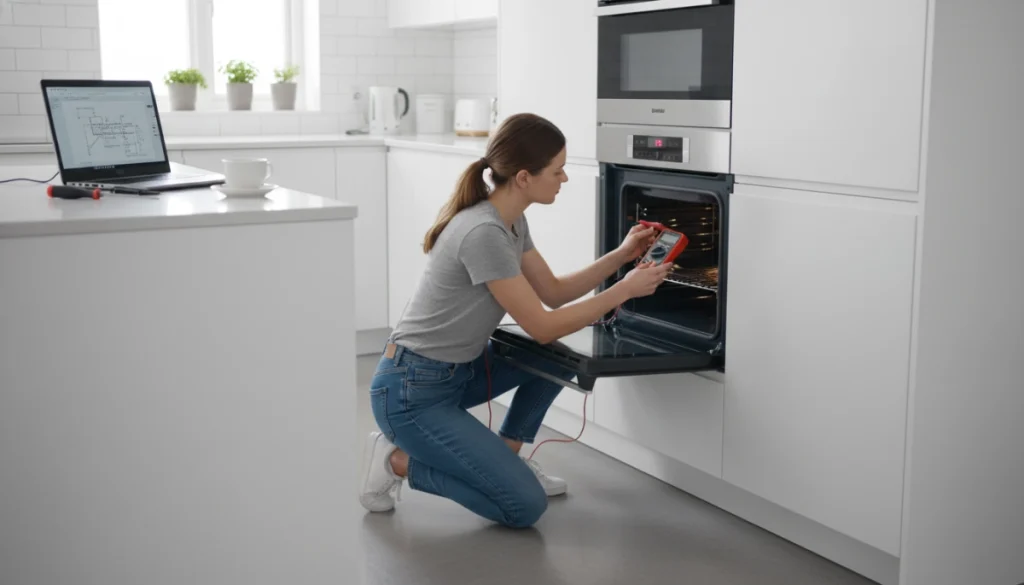
Before troubleshooting an oven that won’t turn on, safety is your top priority. For electric ovens, always unplug the appliance or switch off power at the circuit breaker to avoid electric shock. If you have a gas oven, turn off the gas supply and make sure the area is well ventilated. Never ignore the smell of gas, as this could indicate a dangerous leak.
Wear protective gloves to prevent burns or cuts while inspecting parts. If you feel uncomfortable or unsure at any point, avoid DIY repairs and call a professional. Finally, consult your oven’s owner’s manual for model-specific safety info and troubleshooting tips, ensuring you follow manufacturer guidelines carefully.
Initial Quick Checks (Applies to All Ovens)
Before diving into detailed troubleshooting, start with these quick checks to identify simple causes when your oven won’t turn on:
- Verify power supply and oven display: Make sure your oven is properly plugged in and see if the display or control panel lights up. No display usually means a power issue.
- Inspect circuit breaker or fuse box: Check your home’s breaker panel for any tripped breakers or blown fuses linked to the oven. Reset or replace them if needed, as an oven circuit breaker tripped is a common cause of no power.
- Test the outlet with another appliance: Plug in a different device to confirm the outlet is working. This rules out an outlet or power supply issue.
- Ensure the oven door closes fully: Some ovens won’t start if the door isn’t completely shut or if the door lock is engaged improperly. Check that the door latch is working fine.
- Check for child lock or demo mode activation: Sometimes child locks or demo modes disable oven functions. Refer to your oven’s manual to disable these modes if active.
These initial checks catch most simple power supply and control panel problems, saving time before deeper diagnostics on heating elements or control boards. For model-specific details on power issues, you can refer to resources like how to revive your Lamona oven.
Troubleshooting an Electric Oven That Won’t Turn On
If your electric oven won’t turn on, the usual suspects include faulty heating elements, a bad temperature sensor, a blown thermal fuse, or control board problems. Start by inspecting the bake and broil elements for visible damage or if they fail to glow when switched on. These elements are often the first to fail.
Next, check the thermal fuse. This safety device can blow, especially after a self-clean cycle, cutting power to the oven. You can test or reset it with a multimeter if you feel comfortable.
The temperature sensor is another key part. Make sure it’s properly positioned inside the oven and test its continuity. A faulty sensor can stop the oven from heating.
Don’t forget to look over the wiring for loose, burnt, or damaged connections, which could disrupt power flow. Finally, if everything else seems fine, you might be dealing with a control board or infinite switch issue. Look out for error codes showing up on the display, as these can point to control board failures.
Keep an eye on these areas to troubleshoot your electric oven no power problem effectively.
Troubleshooting a Gas Oven That Won’t Turn On
If your gas oven won’t ignite, several common issues could be the cause. First, confirm the gas supply is turned on and check that your stovetop burners are working properly – if they don’t light, the problem might be the gas line or supply itself.
Next, observe the igniter glow when you try to start the oven. A faulty igniter failing to glow or spark is a frequent cause of gas oven issues. You should also listen carefully for the spark module clicking sounds that trigger ignition; no clicks might mean a spark module or wiring problem.
Check the flame sensor alignment and cleanliness. If the flame sensor is dirty or misaligned, it won’t detect the flame and will shut off the gas supply as a safety measure. Inspect the safety valve and gas line for blockages; any clog here can prevent gas from reaching the burner.
By following these steps, you can narrow down the cause of your gas oven not turning on and decide if a simple cleaning or part replacement will solve the problem. For more detailed insights, the guide on common oven control board issues can help if you suspect electronic controls are involved.
How to Test and Replace Common Parts
When your oven won’t turn on, testing and replacing key parts can often fix the problem, especially with electric and gas ovens. Here’s a simple rundown to get you started.
Electric Oven: Heating Element Testing
- Remove the heating elements (bake and broil) by unscrewing and gently pulling them out.
- Use a multimeter to check continuity—no reading usually means a faulty or broken heating element.
- Replace the bake element if it’s damaged or not glowing during use.
Gas Oven: Igniter Testing
- Remove the igniter to inspect it closely.
- Look for a clear glow when powered; if it doesn’t glow, it likely needs replacing.
- You can also test the igniter’s amperage with a multimeter—too low means it won’t light the gas properly.
Thermal Fuse and Temperature Sensor
- Locate the thermal fuse, usually near the oven’s back panel, especially after a failed self-clean cycle.
- Test it with a multimeter; a blown fuse cuts power to the oven.
- Check the oven temperature sensor for proper placement and continuity; replace if readings are off.
Finding the Right Replacement Parts
- Always use your oven’s model number to find exact replacement parts.
- Check manufacturer websites, authorized dealers, or trusted appliance parts stores.
- Avoid generic parts that might not fit or work correctly with your oven control board or wiring.
Testing these parts carefully can save you a service call and get your oven back to cooking. But always remember to unplug the appliance or turn off power before starting any checks.
When to Call a Professional Technician
Sometimes, troubleshooting an oven that won’t turn on hits a wall. Here’s when it’s best to call a pro:
- Signs of electrical hazards: If you notice sparks, burning smells, or the oven’s circuit breaker keeps tripping, stop right away. These are serious warning signs that need professional attention.
- Gas leaks or smells: For gas ovens, never ignore a gas smell. If you suspect a leak or faulty gas oven safety valve, get a certified technician to handle it immediately for your safety.
- Complex control board or wiring issues: Oven control board issues or damaged wiring can be tricky and risky. If your basic checks and replacements don’t fix the problem, wiring faults or control board failures usually require expert diagnostics.
- Failed DIY fixes: After replacing common parts like a faulty oven heating element or thermal fuse, if the oven still won’t power on or heat up, it’s time to seek professional help.
Hiring a qualified technician not only ensures your oven gets properly diagnosed but also helps prevent further damage and safety risks. It’s often the quickest way to get your oven back working reliably.
Prevention Tips to Avoid Future Issues
Keeping your oven working smoothly starts with simple habits you can easily adopt:
- Clean heating elements and gas ports regularly. Built-up grease or debris can cause your electric oven not heating up properly or lead to a gas oven igniter failure. A quick wipe-down after use and occasional deep cleaning can prevent blockages and improve performance.
- Avoid circuit overloads. Make sure your oven is on a dedicated circuit to prevent the oven circuit breaker from tripping. Plugging too many appliances on one line can cause power supply issues and even damage the control board.
- Schedule yearly maintenance checks. A professional can spot wear on parts like the oven thermal fuse, temperature sensor, or safety valve before they fail. This helps avoid costly repairs and keeps your oven safe to use.
Taking these steps helps reduce oven power supply issues and ensures your oven stays reliable for years to come.
Frequently Asked Questions (FAQ)
Why does my stovetop work but the oven doesn’t?
This usually points to an oven power supply issue. Your stovetop and oven often run on different circuits or components. The stovetop might work fine even if the oven’s heating element, control board, or thermal fuse has failed.
How to distinguish igniter issues from heating element failures?
For gas ovens, a faulty igniter won’t glow or spark properly, so the gas won’t ignite. For electric ovens, the heating element won’t heat up or glow red. Checking for these signs helps pinpoint if the problem is the igniter or the heating element.
Can power surges cause oven problems?
Yes, power surges can damage your oven’s control board or thermal fuse, leading to the oven not turning on or heating properly. Using a surge protector can help avoid this.
Is it safe to use the oven after a self-clean cycle failure?
Not always. The self-clean cycle can blow the thermal fuse or cause overheating. If the oven won’t turn on afterward, it’s best to test or replace the thermal fuse and check for damage before using it again.
What are typical professional repair costs?
Repair costs vary based on the issue but expect anywhere from $100 to $400 for common problems like replacing heating elements, igniters, or control boards. Complex wiring or gas valve repairs can cost more. Getting a professional diagnosis upfront can save money and avoid further damage.