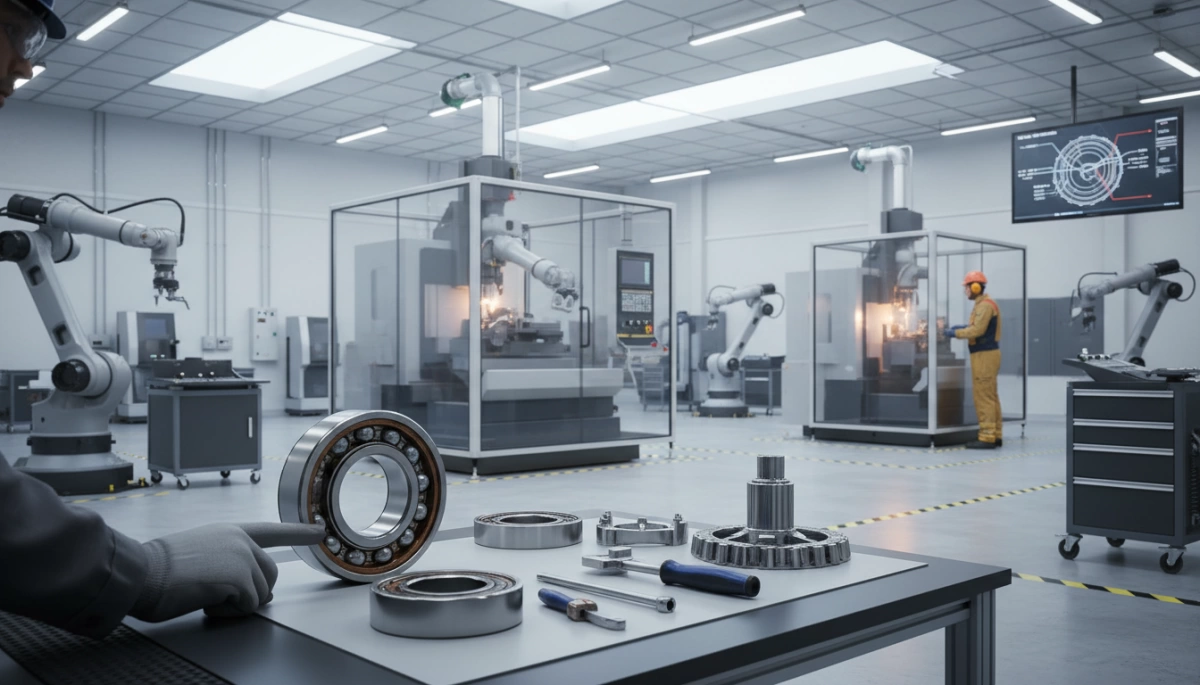
If your washing machine sounds like a jet engine during the spin cycle or shakes so much it feels ready to take off, chances are your washing machine drum bearings are calling for help. These small but critical components wear down over time—especially in front-load washers—and once they go, the noise, leaks, and wobble only get worse. But here’s the good news: you don’t always need to call a costly repair service or replace the whole machine. In this guide, you’ll get a clear overview of the signs of bearing wear and practical DIY replacement steps that can save you hundreds. Ready to stop the racket and get your washer back in smooth, quiet action? Let’s dive in.
What Are Washing Machine Drum Bearings and Why Do They Fail?
Washing machine drum bearings are essential components that support the drum’s rotation inside your washer. They allow the drum to spin smoothly and quietly during wash and spin cycles. Without properly functioning bearings, the drum would wobble, grind, or even seize up.
Bearings often fail due to regular wear and tear, which is accelerated by factors like water leaks, overloading, and poor maintenance. Water seeping into the bearings causes rust, corrosion, and loss of lubrication—leading to the classic grinding noise or drum wobble you might notice during a noisy spin cycle. Over time, this wear can cause the drum to become unstable or leak water from underneath or at the back of the machine.
There are differences between front-load and top-load washers when it comes to drum bearings. Front-load washers typically have front and rear bearings supporting a horizontally mounted drum, so their bearings face more stress due to the drum’s weight distribution. Top-load washers usually have fewer bearing issues since the drum is vertically mounted and supported differently, but they’re not immune to bearing failure. Knowing these differences helps in diagnosing your specific washer’s problems and deciding if a front load washer bearings replacement or a top-load repair is needed.
Recognizing the role of washing machine drum bearings and their common failure causes puts you in a better position to spot issues early and decide if DIY replacement or professional help is right for you.
Key Signs Your Washing Machine Drum Bearings Are Worn
Worn washing machine drum bearings usually announce themselves with clear symptoms you shouldn’t ignore. The most obvious sign is a loud rumbling, grinding, or knocking noise during the spin cycle. These sounds happen when the bearings lose their smooth rotation, causing metal-on-metal contact inside the drum assembly.
You might also notice excessive vibration or even your washing machine “walking” across the floor during spin. This often goes hand-in-hand with a drum wobble or play, which you can check by manually moving the drum back and forth. If there’s noticeable looseness or unusual movement, the bearings are likely wearing out.
Water leaks from the rear or underneath the washer are common signs of bearing failure too, often from a damaged tub seal letting water escape. Look out for grease or oil stains near the back panel, sometimes paired with a faint burning smell caused by overheated bearings.
Try simple home tests like spinning the drum manually: it should move smoothly and quietly. If you hear grinding or feel resistance, it’s time to investigate further. Ignoring these signs will only lead to bigger problems, including costly machine damage or complete failure.
For more about part quality and repair choices that impact your washer’s longevity, check out this overview of generic vs. OEM parts.
Is DIY Bearing Replacement Worth It? Pros, Cons, and Cost Breakdown
Deciding whether to tackle washing machine drum bearings replacement yourself depends on a few key factors. The age, brand, and model of your machine play a big role—some washers, especially front-load washers from brands like LG, Whirlpool, or Bosch, have more complex tubs that make DIY repairs tricky. Older or simpler top-load models might be easier to handle.
Pros of DIY Bearing Replacement
- Cost savings: Professional repairs for bad bearings on washing machines can be expensive, often costing two to three times more than DIY parts.
- Parts prices: Buying a DIY washer bearing kit and tub seal can be affordable and readily available online.
- Satisfaction: Successfully fixing your machine yourself can be rewarding and extend your washer’s life.
Cons of DIY Bearing Replacement
- Time-consuming: Removing the drum, splitting the tub, and pressing out old bearings can take several hours, even for dedicated DIYers.
- Tools required: You’ll need specialized tools like bearing pullers and presses, along with common hand tools.
- Complex process: Splitting the tub and fitting new bearings correctly is difficult. Mistakes can cause leaks or persistent noise.
- Risk: If you get it wrong, you may end up paying more for a professional fix later.
Cost Overview: DIY vs. Professional Repairs
- DIY costs: Bearings and seal kits usually run between $30–$80. Add some tool rentals or purchases if needed.
- Professional services: Expect $150–$300 depending on your location and machine model.
When to Replace the Machine Instead
If your washing machine is old, or the repair cost approaches half the price of a new unit, replacing it might be smarter. Persistent issues like excessive vibration or repeated leaks can also signal it’s time for an upgrade.
If you’re unsure about your machine’s complexity, check out a tool checklist for home appliance repairs to get a better sense of what’s involved before diving in.
Tools and Materials Needed for DIY Replacement
To tackle a washing machine drum bearings replacement yourself, you’ll need the right tools and materials to make the job smoother and safer.
Essential Tools:
- Screwdrivers (Phillips and flathead) for panel removal
- Socket set and wrench for bolts and nuts
- Hammer and chisel or punch to help press out old bearings
- Bearing puller/installer tool or DIY pressing methods, important for removing and fitting bearings correctly
Replacement Parts:
- A quality washing machine drum bearing and seal kit designed for your specific model (front-load washer bearings replacement kits are common)
- New tub seal to prevent water leaks
Other Supplies:
- High-grade grease to lubricate new bearings
- Silicone sealant for sealing the tub after reassembly
- Gloves and towels to manage grease and keep the workspace clean
Safety Gear and Tips:
- Always unplug the machine before starting
- Use gloves to protect hands from sharp edges and grease
- Work in a well-lit, ventilated area
- Take photos during disassembly to ease reassembly
- Lay down old towels to catch debris and spills
Having the right lubricant and sealant ensures your new bearings run smoothly and last longer, reducing future repairs. Preparing your tools and parts ahead of time can save headaches later in the process.
Step-by-Step DIY Guide to Replacing Drum Bearings
Replacing washing machine drum bearings yourself can save money, but you need to follow safety steps carefully. Here’s a straightforward DIY guide to help you through the process:
Safety First
- Unplug the machine to avoid any electrical hazards.
- Turn off the water supply and drain any remaining water from the drum.
- Disconnect all hoses and power cables before starting disassembly.
Disassemble the Washing Machine
- Remove the outer panels and take off the drive belt that connects the motor to the drum.
- Detach suspension springs or shocks—this varies between front-load and top-load washers.
Extract the Drum and Tub Assembly
- Carefully take out the drum and outer tub together; this might be heavy and bulky, so consider help.
- You will need to split the tub apart to access the worn bearings inside. This is often the toughest part.
Remove Old Bearings and Seal
- Use a bearing puller or suitable tools to press out the old drum bearings and tub seal.
- Keep track of the parts and clean the housing thoroughly to remove any debris or old grease.
Install New Bearings and Seal
- Press in new bearings firmly, ensuring they fit snugly in place without damage.
- Apply fresh grease to the new tub seal and install it properly to avoid leaks.
Reassemble and Test
- Put the tub halves back together securely.
- Reinstall the drum assembly, drive belt, and suspension components.
- Reconnect hoses and electrical parts.
- Once reassembled, run a short test spin cycle to check for leaks or unusual noises, confirming the bearings are seated correctly.
Pro Tips
- Take photos during disassembly to help with putting everything back correctly.
- Clean all parts as you go to avoid dirt causing future problems.
- If the machine still makes a grinding noise after replacement, double-check bearing fit and seal placement.
Replacing front load washer bearings or top-load models follows this basic outline, but specifics vary. For more detailed steps tailored to your brand or model, always consult the manual or reliable online guides.
For ongoing care after repair, check out our washing machine maintenance tips to keep your appliance running smoothly and extend bearing life.
Common Mistakes to Avoid and Troubleshooting
When replacing washing machine drum bearings, avoiding common mistakes can save you time and frustration. Here’s what to watch out for:
- Don’t overload your washer: Excess weight stresses bearings and seals, leading to quicker wear or failure.
- Ensure proper seal fit: A poorly fitted tub seal can cause water leaks and damage new bearings fast.
- Always clean parts thoroughly: Leaving dirt or old grease behind can cause premature bearing wear and noisy spin cycles.
- Use the correct replacement parts: Using generic or wrong-sized bearings and seals can result in poor fit and early failure.
If noise or vibration persists after replacement, double-check:
- Bearings were properly pressed in without damage.
- Tub seal is correctly installed and not pinched.
- Shock absorbers and drive belts are in good condition.
Ignoring these details often causes recurring issues like grinding noise during washing or a washing machine drum wobble.
For more detailed troubleshooting on noisy appliance issues, you might find helpful tips in guides like fixing ice maker or refrigerator noise problems on appliance repair blogs. These can sometimes offer insight into mechanical noises similar to those of washing machine drums.
Prevention Tips to Extend Bearing Life
Keeping your washing machine drum bearings in good shape starts with simple care. Here’s how to extend their life:
- Avoid overloading: Putting too many clothes in one load strains the bearings, causing faster wear. Stick to the recommended load size for your model.
- Use HE detergent: High-efficiency detergents reduce residue buildup, which can damage seals and bearings over time.
- Level the machine properly: An uneven washer causes excessive vibration and drum wobble, accelerating bearing failure. Use a spirit level and adjust the feet as needed.
- Clean regularly: Run a monthly maintenance cycle with an empty hot wash to flush out detergent residues and prevent corrosion.
- Check and clean filters and seals: Keeping seals tight and free of dirt prevents water leaks that harm bearings.
Following these simple steps can help you avoid noisy spin cycles, water leaks from the washing machine back, and costly repairs like front load washer bearings replacement.



Leave a Reply