
Smart Track Lighting Doesn’t Need a Separate Speaker System
The common assumption is that you need two separate systems — track lighting for ambiance, a Bluetooth speaker for music — and that combining them means compromising on both. That assumption costs most people an extra $80 to $150 and leaves them with two power cables, two apps, and a room that still doesn’t feel pulled together. The better path combines both into a single ceiling-mounted system, and it’s available for under $160 once you understand how integrated track speaker kits actually work.
This guide covers how to plan, install, and optimize a track lighting system with built-in Bluetooth audio — no separate speaker required.
Why Separating Sound and Light Costs More and Delivers Less
Most home audio setups treat lighting and sound as completely independent categories. The lighting goes on one wall switch. The speaker sits on a shelf or coffee table. Neither one knows the other exists. The result is a room where sound comes from a corner and light from the ceiling, and the whole thing feels slightly off without being obviously broken.
There’s also a real acoustic problem most people don’t recognize. For clear, room-filling sound, you want audio originating from above the listening area — at ceiling height, angled toward the primary seating zone. A floor-standing or bookshelf speaker fires horizontally and loses meaningful coverage past 10 to 12 feet in a typical room. That’s why the sound feels thin when you move more than eight feet from a portable Bluetooth speaker.
The Physics of Ceiling-Mounted Audio
Ceiling-mounted speakers distribute sound in a downward cone, covering roughly a 30-degree radius per unit at standard 8-foot ceiling heights. Three speakers on a ceiling track — spaced at 16 to 24 inches apart — cover a 10-foot seating zone with minimal dead spots. That’s why commercial spaces (restaurants, retail stores, hotel lobbies) almost universally use ceiling audio. The physics favor it for ambient and background listening.
Home setups skip this because traditional ceiling speakers require wire runs, a separate receiver, and dedicated installation work. Bluetooth-enabled track speaker units eliminate all three barriers at once.
The Hidden Cost of Two-System Thinking
A decent freestanding Bluetooth speaker — a JBL Charge 5 or an Anker Soundcore Motion+ — runs $100 to $180. A basic 3-head track lighting kit from Globe Electric or Lithonia Lighting runs $45 to $80. You’re already at $145 to $260 before accounting for installation time, positioning compromises, and the visual clutter of a speaker sitting on furniture where it doesn’t belong.
Two separate devices also means two separate control systems. One app for the lights. One for the speaker. When you sit down to set a mood, that friction is minor but constant. Integrated track speaker systems aren’t a novelty product — they’re a practical answer to a layout and cost problem that most people solve expensively without realizing it.
How to Plan a Track Lighting Layout Before You Buy Anything
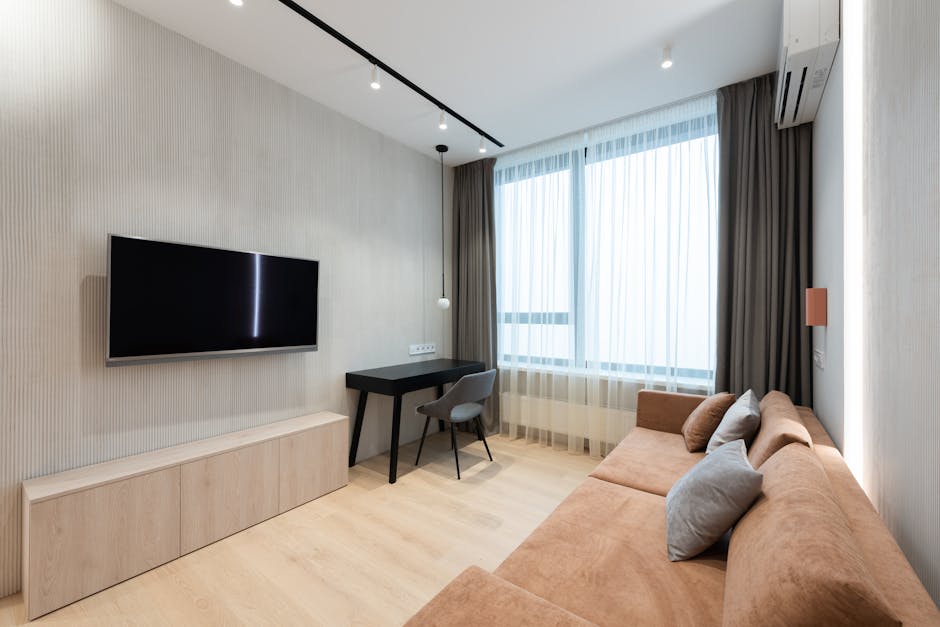
Most installation mistakes happen before the product arrives. Spending 20 minutes planning the layout prevents three common problems: under-coverage across the seating zone, misaligned audio angles that create dead spots, and track rails that don’t reach the positions you actually need.
Five Steps to Map Your Ceiling Before Ordering
- Measure your ceiling span. For a standard living room or bedroom, measure the longest axis you want covered. Most integrated track speaker kits include a 3.3-foot (1-meter) rail — solid for a single accent zone, but for rooms wider than 10 feet you’ll need to daisy-chain rail sections. Standard track-to-track connectors cost $8 to $15 at any home improvement store.
- Identify your primary activity zone. Where do people sit, watch TV, or work? Mark the center of that zone. Your track should run directly above or adjacent to this zone — not shoved against a wall where most people default to hanging track lights as accent lighting.
- Locate your ceiling electrical box. Track lighting connects to a single junction box. If there’s no existing box in the right position, you need an electrician to add one, or you opt for a plug-in track system that routes to a wall outlet instead.
- Plan speaker angles before mounting. Each speaker head rotates. Decide in advance to angle each head toward the primary seating area at 15 to 30 degrees rather than straight down. That tilt makes a measurable difference in how sound fills the room versus how it pools directly below each unit.
- Check ceiling height. Under 7.5 feet: use flush-profile heads. 8 to 10 feet: standard track heads work correctly. Above 10 feet: integrated track speaker kits generally aren’t rated for that height, and you’d want dedicated ceiling speaker hardware like the Polk Audio 70-RT instead.
What to Do Without a Ceiling Electrical Box
Plug-in track systems solve this entirely. Instead of hardwiring into a junction box, the power connector routes to a standard wall outlet via a cord. This works in apartments or rentals where hardwiring isn’t an option. The trade-off is a visible cord from ceiling to outlet — manageable with cable covers, but not invisible. If aesthetics matter in the space, the hardwired install is substantially cleaner.
Separate Gear vs. Integrated Track Speakers: Honest Cost Comparison
The real price difference depends entirely on what you’re comparing against. Here’s a realistic breakdown for a 12×14-foot living room:
| Setup | Components | Total Cost | Install Difficulty | Aesthetics |
|---|---|---|---|---|
| Budget separate | Globe Electric 3-head track ($55) + Anker Soundcore Mini 3 ($40) | ~$95 | Low | Poor — speaker on shelf |
| Mid-range separate | Lithonia LTKTRAC 3-head ($75) + JBL Flip 6 ($130) | ~$205 | Low-Medium | Mediocre |
| Integrated (Gsou 3-pack) | Track rails + 3 speaker-light heads + RGB, all-in-one | $153.80 | Low-Medium | Clean, unified |
| In-ceiling Bluetooth | Polk Audio 70-RT ($200/pair) + separate track light kit ($75) | ~$350+ | High — drywall work required | Excellent |
The Polk Audio in-ceiling setup sounds better. No debate. But it requires cutting drywall and running wire, which most renters can’t do and many homeowners won’t bother with for a bedroom, office, or game room.
Where the Value Lands
The sweet spot for integrated track speaker kits is any space where you want ambient lighting and background music without needing audiophile-grade audio: bedrooms, home offices, kitchens, game rooms, and media rooms where a TV handles primary audio. For a dedicated home theater where sound quality is the whole point, go with in-ceiling speakers and a separate track lighting system — integrated kits don’t compete at that level, and it’s worth being direct about that.
Installing Gsou Track Light Speakers: What Actually Happens
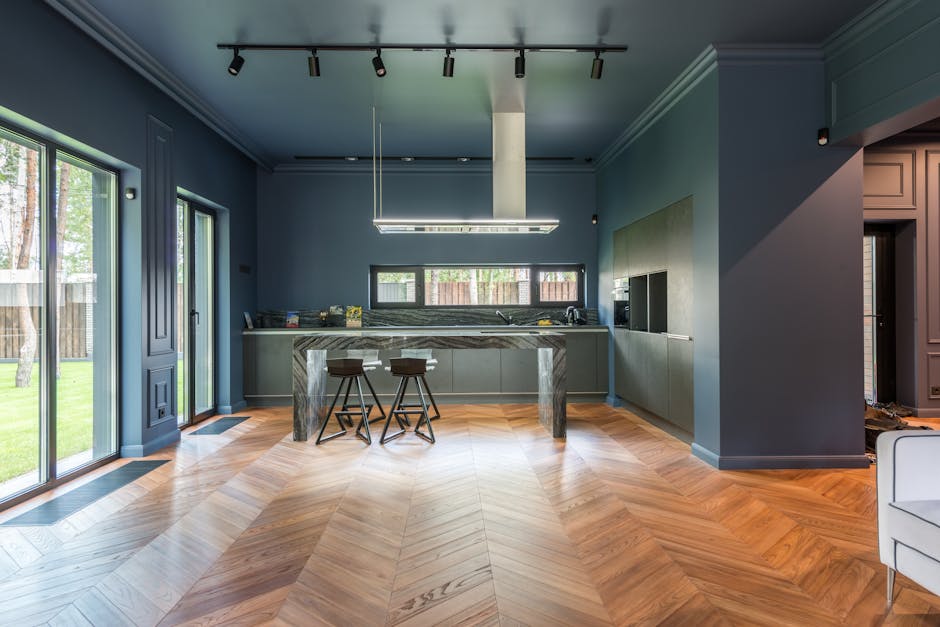
Installation is manageable for anyone who has replaced a light fixture before. Plan for 45 minutes the first time — including about 10 minutes of puzzling over which direction the mounting bracket faces before it finally clicks.
What’s in the Box
The Gsou 3-pack track lighting and Bluetooth speaker kit includes: one 3.3-foot aluminum track rail, three combined light-and-speaker head units (each with a 40mm driver and integrated RGB LEDs), one track power connector for ceiling mounting, mounting hardware, and a quick-start guide. Each head unit is self-contained — the light and speaker are a single unit, not separate components sharing a rail. No hub required. Bluetooth pairing runs direct from your phone.
Ceiling Mounting: The Step Most Guides Skip
The track rail attaches to your ceiling junction box via the included power connector. Before tightening, rotate the connector to align the rail in the direction you want — this locks orientation permanently, so get it right before you torque the screws down. A misaligned rail means your speaker heads angle wrong from day one.
Once the rail is mounted, each speaker head snaps in with a quarter-turn. No tools needed. You can reposition heads at any time — useful once you actually hear how sound distributes and want to adjust. For a 10-foot seating zone, start with heads at 12-inch intervals, then tweak from there. Wiring is clean: the rail connects to line voltage at the junction box, and each speaker head draws power directly from the rail. Zero exposed wiring after installation.
Bluetooth Pairing and RGB Control
Power on the system at the wall switch. The speakers enter pairing mode automatically on first boot. Open your phone’s Bluetooth settings, find the Gsou broadcast name, and connect. First-time pairing takes under 30 seconds, and after that the system reconnects automatically whenever the wall switch powers it on.
RGB color control and music sync mode operate via the included remote — no app download required. The Gsou plug-in track speaker with remote uses identical speaker heads and the same rail system, so the pairing process is exactly the same. The functional difference is purely the power source: plug-in routes to a wall outlet via cord, hardwired ties directly into the junction box.
The RGB Music Sync Question: One Verdict
RGB music sync at this price point looks better in product videos than in real rooms. It works — lights pulse with audio — but color transitions lag roughly 100 to 200ms behind the beat and are most visible in dim or dark conditions. For a gaming room or a party setup it adds genuine atmosphere. For everyday ambient use, most people land on a static color within a week and leave it there. Buy this kit for the ceiling audio distribution; treat the RGB as a usable bonus, not the main event.
Common Questions About Track Speaker Kits

Can You Extend the Track Rail Beyond 3.3 Feet?
Yes. The Gsou rail uses standard H-type track, compatible with most third-party extensions available at Amazon or any home improvement store. Join additional rail sections with a standard track connector. Total length is limited by your circuit’s amperage — a standard 15-amp circuit handles up to ~1,800 watts, far more than these units draw at full brightness and volume.
How Does Audio Quality Compare to a Standalone Bluetooth Speaker?
A single speaker head doesn’t beat a JBL Clip 4 ($55) in raw audio quality. That’s the honest answer. But three heads distributed across a ceiling provides spatial sound coverage no portable speaker can replicate from a shelf. The audio feels like it fills the room rather than originating from one point. For background music and ambient listening — the actual job this product is designed for — the distributed ceiling setup wins on real-world experience even when individual units lose on spec comparison.
Do the Two Gsou Models Use Compatible Parts?
Yes. Both the hardwired and plug-in versions use identical speaker head units and the same H-type track rail. If you buy one kit and later want to extend with a second rail section from the other model, the heads are fully interchangeable. The only incompatible piece is the power connector — hardwired attaches to a junction box, plug-in terminates in a standard three-prong outlet plug.
Living Room, Bedroom, or Game Room: Which Gets the Most Out of This
For living rooms, the hardwired version is the right call — full stop. Living rooms have permanent furniture layouts, higher visual scrutiny, and almost always have a centered junction box already. Running a cord from ceiling to outlet across a living room looks bad and undermines the whole reason to buy a ceiling-mounted system in the first place.
Bedrooms are more flexible. Either version works. Most bedrooms have a centered junction box from an existing overhead light or fan — use the hardwired kit. If the box position doesn’t suit your layout, the plug-in version gives positioning freedom at the cost of a visible cord, which matters less in a bedroom than in shared living space.
Game rooms are the highest-impact use case. Dim a game room, engage RGB sync with bass-heavy audio, and you get a lighting-and-audio atmosphere that a shelf speaker and separate LED strip setup can’t match for the same total budget. The math rarely favors buying those separately.
If you have a ceiling junction box and want to eliminate the separate Bluetooth speaker from your room, the Gsou 3-pack hardwired track speaker system at $153.80 is the specific product to buy. It installs in under an hour, covers a standard room with three overhead speaker-lights in the positions that actually serve ambient audio well, and costs less than a mid-range track kit plus a decent portable speaker bought separately. Skip it for dedicated home theaters or rooms where critical listening matters. For everything else — the room where you just want music to be present without thinking about it — this kit does that job cleanly.