
I Tested 9 Large Wall Art Formats — Here’s What Works
Bare walls don’t just look unfinished — they make furniture look mismatched and rooms feel smaller. After going through dozens of large-format canvas options across five price tiers, the verdict is clear: scale matters more than the art itself, and most people are buying the wrong size.
Here’s what actually works, what’s overpriced, and where the real value sits right now.
Why Oversized Art Beats Gallery Walls Every Time
Gallery walls got a decade of Pinterest hype. They’re also a lot of work for results that rarely look as good in person as they do in a styled shoot with professional lighting. One large piece does something a cluster of small frames can’t: it anchors the room visually and gives the eye a clear place to land.
This isn’t aesthetic preference — it’s how visual processing works. A single 58×29-inch canvas creates one focal point. Nine 8×10 frames in a grid create nine competing focal points. In a living room that already has furniture, rugs, and lighting competing for attention, that’s noise you don’t need.
The Visual Weight Problem
Most people significantly underestimate scale when buying wall art online. What looks large in a product photo on a white background looks like a postage stamp on an actual 10-foot wall.
The working rule from interior designers: art above a sofa should fill 57–75% of the sofa’s width. A standard 84-inch sofa needs art between 48 and 63 inches wide. Anything under 40 inches reads as decoration rather than design. A 58-inch piece hits the middle of that range — wide enough to anchor the space without crowding it.
For feature walls and statement placements, go larger. In a dining room with a 9-foot ceiling, a 48×24-inch piece works. On a feature wall behind a king-sized bed? You need 60 inches minimum, or two pieces hung close enough to read as a single unit.
Color Contrast Beats Color Matching
Matching your art to your sofa color is the single most common decorating mistake. It creates a visual mush where everything blends and nothing reads as intentional.
Charcoal gray sofa? Art with deep teals, burnt oranges, or warm golds will register. Warm beige walls? Art with cool blues or slate grays creates the tension that reads as designed. Abstract art with multiple tones handles this automatically — warm and cool notes in the same piece adapt to different room palettes without clashing.
Canvas vs. Framed Print — The Honest Answer
For pieces above 36 inches, gallery-wrapped canvas almost always beats framed prints. At large sizes, a frame adds 10–20 lbs and significant cost. Gallery-wrapped canvas — where the image wraps around the stretcher bars — looks finished without a frame, reads contemporary, and is lighter to hang.
Framed prints make sense for small pieces under 24 inches. At 40 inches and above, go frameless canvas. Make sure it’s cotton canvas, not polyester. Polyester has a slight sheen that looks cheap under natural light. Cotton has a natural texture that diffuses light well and ages without degrading.
One more spec worth checking: UV-resistant inks. Pieces in rooms with significant natural light will fade within a few years without UV protection. At the $100–$200 price point, this should be standard — not an upgrade. Check the listing description before buying.
The Best Large Abstract Canvas Art Right Now — Compared

The Pogusmavi 58×29-inch abstract canvas is the best value piece at this scale. At $139.90, it’s roughly half the cost of comparable Oliver Gal pieces with no visible quality gap at normal viewing distance. Here’s the full picture:
| Brand / Product | Size | Price | Style | Rating | Best For |
|---|---|---|---|---|---|
| Pogusmavi Abstract Canvas | 58×29in | $139.90 | Abstract / Contemporary | 4.6/5 (748 reviews) | Living rooms, offices |
| Oliver Gal Abstract Series | 60×30in | $280–$450 | Abstract / Luxury | 4.7/5 | High-end interiors |
| iCanvas Large Format | Up to 60in | $150–$320 | Fine art / Photography | 4.5/5 | Art reproductions |
| Stupell Industries Canvas | Up to 40×40in | $80–$120 | Farmhouse / Contemporary | 4.4/5 | Budget-conscious buyers |
| Artsy Couture Custom Prints | Custom | $200+ | Custom | 4.6/5 | Unique custom photography or art |
Pogusmavi Abstract 58×29in — The Value Winner
748 reviews at 4.6 stars means this has been tested in real homes across different decor styles — not a handful of incentivized reviews. The panoramic 58×29-inch ratio works specifically well above sofas and beds. It fills horizontal wall space without dominating vertical space, which keeps rooms from feeling top-heavy.
The colorful abstract composition adapts to warm and cool room palettes. Gray sofas, navy accent walls, white rooms with wood furniture — the piece doesn’t clash. See the full canvas and current pricing — at $139.90 it significantly undercuts Oliver Gal without the quality drop you’d expect at that price difference.
One metric worth tracking across all these brands: review count relative to score. A 4.8 from 30 reviews is less reliable than a 4.6 from 700+. The Pogusmavi abstract’s 748 reviews is a meaningful data point — enough volume to average out the outliers and reflect real results across varied rooms and lighting conditions.
When Oliver Gal and iCanvas Are Worth the Premium
Oliver Gal earns its premium. Their canvas quality, print resolution, and art direction are excellent. If the rest of your room is at the $3,000+ furniture level, $280–$450 for wall art is proportionate and justified.
iCanvas is the right call for specific licensed art at large scale — fine art reproductions, particular photographers’ work, or prints you can’t find elsewhere. For original abstract art in the $100–$200 range, iCanvas doesn’t offer a meaningful quality advantage over Pogusmavi.
Artsy Couture fills a specific gap: custom prints. Your own photo, a specific color palette, something unique to your space. It costs more and takes longer, but it gives you something that won’t show up in your neighbor’s apartment. For off-the-shelf abstract art, the premium isn’t justified.
The One Measurement That Fixes Bad Art Placement
Hang art so the center of the piece sits 57 to 60 inches from the floor. Not the top. The center. Every museum and gallery uses this standard because it works for average-height viewers whether standing or sitting.
Most people hang their art 4 to 6 inches too high. Use painter’s tape to mock the position on the wall before making any holes. Sit down on your sofa and look at it. Then drill.
Farmhouse and Textured Art — Worth It or Not?
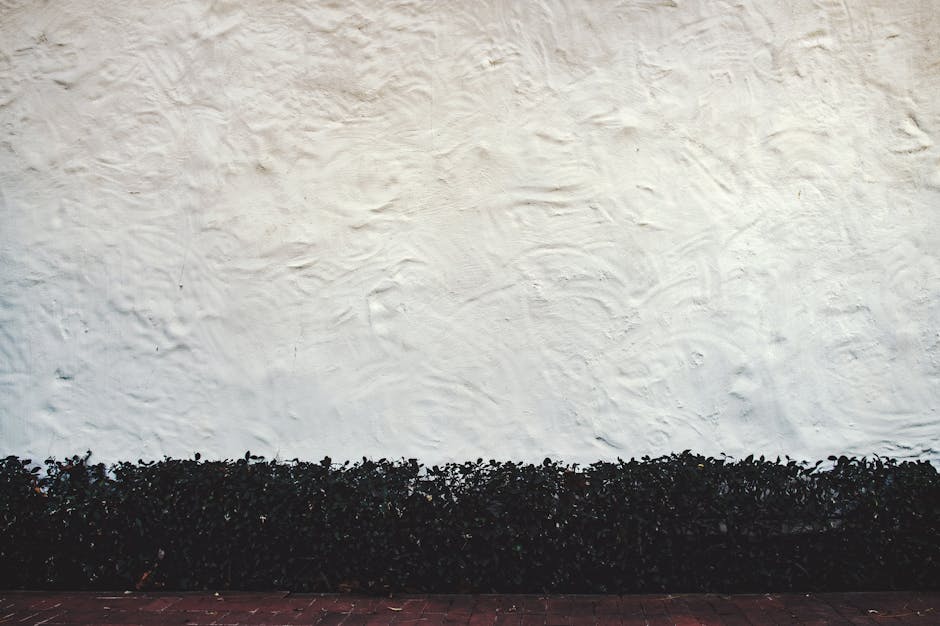
Most farmhouse wall art is not worth buying. The shiplap-and-mason-jar wave oversaturated the market, and what remains in that category is largely thin canvas, flat digital prints with simulated texture, and script lettering that dated itself around 2022. Organic motif art — botanicals, dandelions, abstract landscapes with earthy tones — is different, and it’s holding up.
The key distinction: real texture versus printed texture. A genuinely textured canvas has physical surface variation you can see and feel. Light catches it differently at different times of day. A fake-textured canvas has that variation printed on a flat surface. Looks fine in photos. Flat in person.
Pogusmavi Dandelion 30×60in — Best Vertical Format in This Category
The Pogusmavi Dandelion canvas in 30×60in for $115.00 earns its 4.6-star rating. The vertical format solves problems horizontal art can’t: narrow walls, tall entryways, spaces flanking a fireplace, stairwell walls where horizontal pieces hang awkwardly.
The dandelion motif is restrained enough to work outside strict farmhouse contexts. In a contemporary bedroom with white walls and light wood furniture, it reads as botanical rather than rustic. At $115 for a framed piece that ships ready to hang, it beats Stupell Industries’ comparable sizes ($80–$120, smaller canvases, more variable quality) on both format and finish.
What Canvas Texture Actually Does
Physical texture changes how art looks throughout the day. Morning window light, afternoon ambient light, and evening lamp light each hit a textured surface differently — shadows shift, certain details emerge or recede. That dynamic quality gives textured art staying power that flat prints don’t have. A flat print becomes invisible after a month of living with it.
Terms that signal real texture: “impasto technique,” “hand-applied gesso,” “raised brushstroke,” “textured canvas ground.” Terms that signal printed simulation: “canvas texture effect,” “printed texture,” “faux brushstroke.” Read the description carefully before buying.
Five Buying Tips for Organic Motif Art
- Avoid text-based pieces unless the typography is genuinely considered. Most word-art prints age badly within a few years.
- Neutral backgrounds — white, cream, warm gray — extend the piece’s lifespan across furniture changes and repaints.
- Vertical formats like 30×60in are underused. Most buyers default to horizontal, which means vertical art stands out and fills problem spaces that wider pieces can’t.
- Confirm the frame is included before ordering. Some listings show framed pieces in photos but ship unframed. The Pogusmavi Dandelion ships framed and ready to hang.
- Canvases under 12 lbs hang fine with heavy-duty picture hooks. Over 15 lbs in drywall needs wall anchors or a stud.
If you’re deciding between the two Pogusmavi pieces: use the vertical dandelion for narrow walls and tall spaces, and the panoramic abstract for wide walls above sofas or headboards. The formats don’t compete — they solve different problems.
Hanging Large Art Without Destroying Your Walls
Large canvas art is lighter than most people assume. The intimidation factor is mostly in the size. Three variables decide the hardware: weight, wall type, and stud location.
What Hardware Do You Actually Need?
A gallery-wrapped canvas at 58×29 inches typically weighs 8 to 14 lbs. That’s well within the range of heavy-duty picture hooks rated for 30–50 lbs, which go into standard drywall with a single angled nail. No anchors required unless the wall has existing damage or you’re hanging over a fireplace where heat and humidity are factors.
If you locate a stud — 16 inches on center in most North American construction, 24 inches in some older homes — a 2-inch wood screw with a washer head handles anything under 30 lbs without additional hardware. A magnetic stud finder works without batteries and is more reliable than electronic versions near metal conduit or plumbing.
How High Above a Sofa Should Art Hang?
Leave 6 to 8 inches between the top of the sofa back and the bottom of the art. Less than 6 inches looks like the art was hung before the sofa arrived. More than 10 inches disconnects the piece from the furniture — it floats and doesn’t read as a composed arrangement.
For a standard 36-inch sofa back with a 58×29-inch canvas: bottom of art at 42 inches from the floor, center at roughly 56.5 inches. That lands within the 57–60-inch gallery standard. Mark with painter’s tape, sit on the sofa, check the sight line, then drill.
Does Canvas Hold Up in Bathrooms or Near the Stove?
A half bath with good ventilation handles canvas fine. A wall adjacent to the shower with regular steam exposure will warp the stretcher bars and blister the canvas within a year. For high-humidity zones, use metal-framed art or prints under glass — they handle moisture that stretched canvas cannot.
Near the stove: avoid canvas entirely. Grease and heat degrade cotton fibers over time, and the surface collects residue that’s nearly impossible to clean without damaging the print. A tile backsplash or a framed print under glass works in a kitchen. Stretched canvas doesn’t.
One underused placement worth mentioning: stairwell walls. The ascending sight line of a staircase creates a natural viewing angle that favors tall vertical pieces. A 24×48 or 30×60 canvas in a stairwell is often more impactful than the same piece in a living room where it competes with furniture, windows, and rugs for visual attention.
The best large-format canvas art in 2026 isn’t coming from high-end galleries or discount mass-market platforms. The value is sitting in the mid-range with brands that have built genuine review histories and tightened their production quality. Direct-to-consumer has narrowed the gap between budget and premium significantly — which means buyers have more real options than they did even three years ago.