
7 Wall Decor Picks That Fix Both the Look and Sound of a Room
Sound engineers discovered decades ago that parallel flat walls create “flutter echo” — a rapid, repeating sound bounce that makes conversations harder to follow and rooms feel oddly tense. Most homeowners have this exact acoustic problem in their living rooms, bedrooms, and home offices without knowing it. The fix does not require foam wedges or an ugly studio setup. Modern wall decor has gotten sophisticated enough to address both problems at once — but only if you buy with intention.
Here are seven wall decor options broken down by what they actually do, how much they cost, and which rooms they belong in. Two come from YPY, one from GIK Acoustics, one from IKEA, one from Society6, one from Acoustimac, and one from West Elm. The price range runs from $29.99 to $299. The performance gap between the cheapest and most expensive is real — but so is the gap between the right product and the wrong one for your specific room.
Why Empty Rooms Sound Worse Than They Look
Bare drywall reflects roughly 97% of sound energy. Add hard floors, glass windows, and a high ceiling, and you have built yourself an accidental reverb chamber. Acousticians measure this as RT60 — the time it takes sound to decay by 60 decibels after the source stops. In a furnished, well-treated living room, RT60 sits around 0.3–0.4 seconds. In an empty room with bare walls, that climbs to 0.8 seconds or higher.
That difference is audible. You do not need any equipment to hear it — just clap once, sharply, in the center of an empty room and listen to what happens after.
What Flutter Echo Does to People in a Room
Flutter echo is the repeating bounce between two parallel hard surfaces. In day-to-day life, it shows up as fatigue during long phone calls, difficulty hearing TV dialogue, and a vague sense that something feels “off” about a space even when it is beautifully furnished. That last effect is easy to dismiss but real — the acoustic environment affects how comfortable people feel in a room, completely separate from how it looks.
Soft, porous, or irregular surfaces break up those reflections. A thick canvas absorbs a small amount of high-frequency energy. A fabric-wrapped acoustic panel absorbs significantly more, across a broader frequency range. Both are better than bare drywall — the question is how much treatment your room actually needs.
How Much Wall Coverage Makes a Real Difference
Interior acousticians recommend treating 15–25% of total wall surface area for meaningful improvement in residential spaces. In a 12×14 foot bedroom with 8-foot ceilings, that is roughly 40–55 square feet of treatment. You do not need to cover every wall — strategic placement at first reflection points (the walls directly to your left and right at seated ear level) does most of the heavy lifting.
For most people, two or three large panels or a gallery cluster of smaller pieces at those locations is enough to notice a difference.
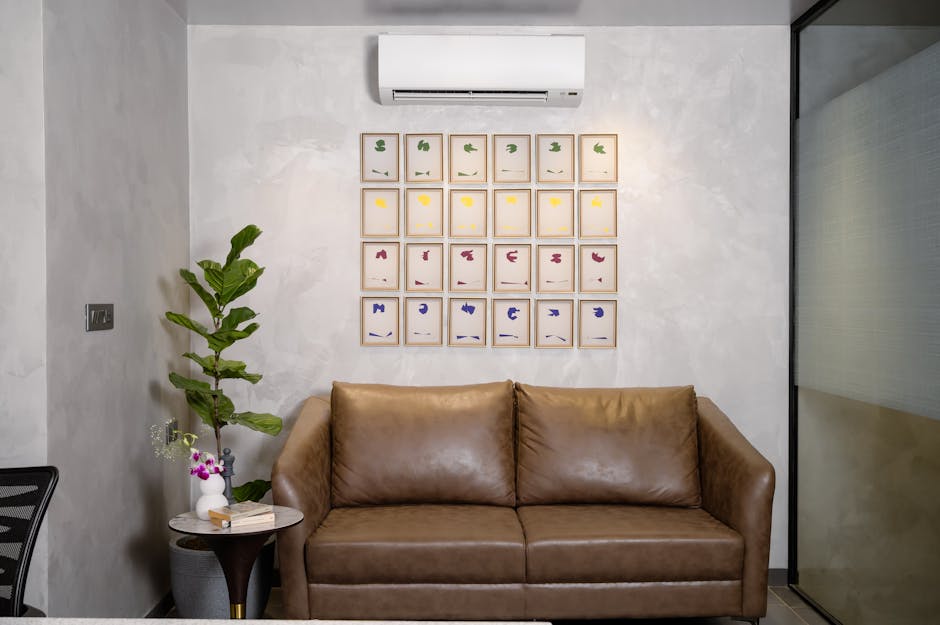
The hard part: traditional acoustic panels are functional but ugly. Thick gray foam rectangles stapled to walls work acoustically but look wrong in a bedroom or a client-facing home office. That is what drove the market toward decorative acoustic panels — art that serves double duty. It is a compromise, but often the right one for spaces that need to look professional and sound decent without being purpose-built studios.
Canvas Art vs. Acoustic Panels: What the Numbers Say
| Product | Type | Price | NRC Rating | Best For | Rating |
|---|---|---|---|---|---|
| YPY Abstract Bouquet Canvas (24×30″) | Hand-painted oil on canvas | $49.99 | ~0.10 | Bedroom, living room | 4.7/5 (387 reviews) |
| YPY Acoustic Tropical Beach Panels (8-pack, 12×16″) | Decorative acoustic panels | $49.99 | ~0.65 | Home office, studio | 4.0/5 (262 reviews) |
| GIK Acoustics 244 Panel | Professional acoustic panel | $99/panel | ~0.95 | Recording studio | 4.5/5 |
| IKEA BJÖRKSTA Canvas | Print on canvas | $29.99 | ~0.05 | Budget decor, any room | 4.2/5 |
| Society6 Canvas Prints | Print-on-demand canvas | $45–$95 | ~0.05 | Custom color matching | 4.1/5 |
| Acoustimac DMD Stagger Panel | Fabric acoustic panel | $89/panel | ~0.90 | Home theater, office | 4.3/5 |
| West Elm Abstract Art Print | Gallery-quality giclée print | $129–$299 | ~0.05 | Upscale living rooms | 4.6/5 |
NRC stands for Noise Reduction Coefficient — 0.0 means the surface reflects all sound, 1.0 means it absorbs all sound. Standard canvas art scores near zero. Professional acoustic panels score near 1.0. Decorative acoustic panels split the difference at around 0.65, which is enough to make a real difference in a home office or small studio without requiring any dedicated acoustic buildout.
What Separates a $30 Canvas from a $50 One Worth Buying
Does hand-painted vs. print-on-canvas actually matter?
Yes — but the gap depends on viewing distance. A hand-painted oil canvas has visible brushstroke texture, slight paint buildup at edges, and tonal variation you can see from across a room. A printed canvas looks flat by comparison, especially under side lighting or natural window light at close range.
The YPY Abstract Bouquet Canvas ($49.99, 24″x30″) uses hand-applied oil paint, which is uncommon at this price point. The comparable IKEA BJÖRKSTA canvas at $29.99 is a printed image — it holds up fine from 10 feet, but loses the organic quality at the distances you encounter in a bedroom or reading corner. For spaces where you spend extended time close to the wall, the extra $20 for hand-painted work is money well spent.
For very large format pieces — 48 inches and wider — prints close the gap because normal viewing distance increases. At that scale, canvas texture becomes the story more than paint application does.
What size canvas works in what room?
Interior designers use the 60–75% rule: artwork should span 60–75% of the wall width above a piece of furniture. Above a queen bed (60 inches wide), that means a canvas between 36–45 inches. A single 24×30 piece reads small in that context — better suited for a desk corner, a narrow hallway, or as part of a gallery grouping with two or three other pieces.
For standalone statement walls, three-piece gallery clusters typically work better than a single large canvas for walls over 7 feet wide. The visual weight is easier to calibrate, and the spacing gives you flexibility as the room’s furniture changes over time.
How much should fade resistance factor into the decision?
Only if the piece hangs in direct sunlight. Oil-based paints resist UV degradation significantly better than water-based acrylics — roughly 30–40% longer before noticeable fading under equivalent UV exposure, based on archival conservation research. For north-facing rooms or walls without direct sun exposure, fade resistance is a non-issue across all seven products compared here.
The Acoustic Panel Call
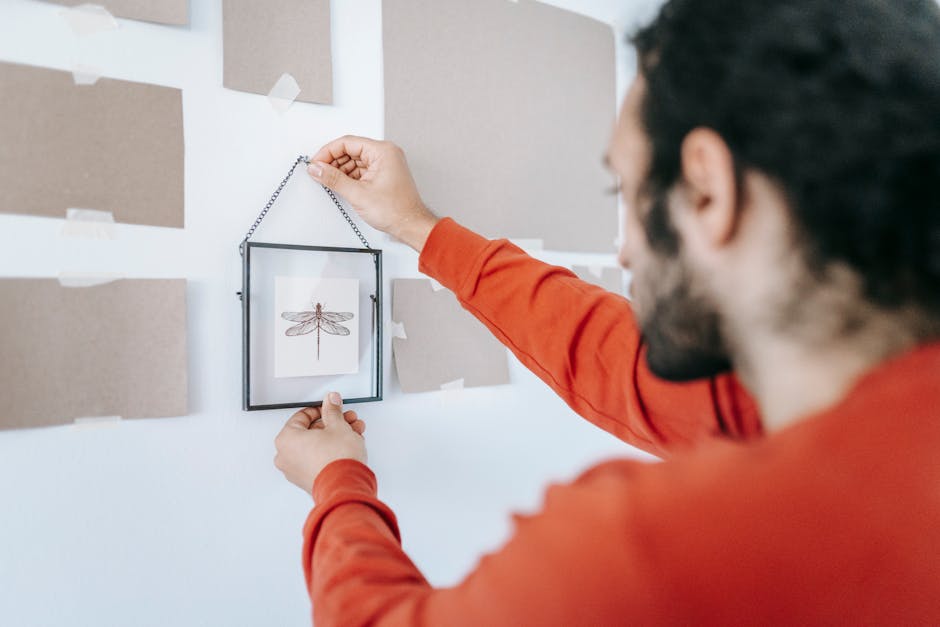
If your room has an echo problem, no canvas painting fixes it. The YPY decorative acoustic panels at $49.99 for 8 pieces cost about $6.25 each — versus $89–99 per panel from Acoustimac and GIK Acoustics. For a home office or casual podcast setup, that price difference is impossible to ignore. For a professional recording studio, spend the money on GIK.
How to Combine Art and Acoustic Treatment Without the Room Looking Like a Studio
The goal is coverage that sounds treated but looks deliberately designed. Here is the order of operations that works:
- Find your first reflection points. Sit where you normally sit — at your desk, on your couch, in bed. The walls directly to your left and right at ear height are where sound bounces hardest before reaching your ears. Those spots get priority.
- Place your most absorptive panels at those locations first. Even two or three pieces on each side wall dramatically reduce flutter echo in most residential rooms. Treat the worst problems before adding anything decorative.
- Anchor the room visually with a centerpiece on the main wall. A large canvas above the primary furniture grouping — a bed, a sofa, a work desk — gives the eye a focal point. Acoustic treatment on side walls supports the space without competing for attention if the colors stay coordinated with the room’s palette.
- Use furniture to handle bass frequencies. No wall panel absorbs low-frequency sound effectively without being 4+ inches thick. Bookshelves filled with books, upholstered furniture, thick rugs, and heavy curtains handle the bass range. A fully furnished room does most of this work without any intentional treatment.
- Test with a single sharp clap. Stand in the center of the room after panels are up and furniture is in place. A clean thud with no ring means you have done enough. A metallic echo or ringing tone means you need more coverage on the opposite wall.
- Reassess after living in the room for a week. What sounds over-treated in an empty room often feels balanced once furniture, books, and rugs are in place. Add panels incrementally rather than committing to full coverage upfront.
This sequence applies to bedrooms, home offices, podcast rooms, and living spaces at any scale. The acoustic principle stays constant — only the dimensions change.
All Seven Products, Ranked by the Problem They Actually Solve
Buying wall decor without a clear goal is how you end up with art that looked right in the store and wrong on your wall. Here is where each product in this comparison genuinely earns its spot:
For a teenager’s bedroom or reading corner: YPY Abstract Bouquet Canvas, $49.99
The 24×30 inch size fits well above a desk or beside a bed. The pink floral oil painting occupies a specific aesthetic lane — abstract enough to feel mature, floral enough to stay personal. At 387 reviews with a 4.7/5 rating, it is the highest-rated piece in this comparison by a meaningful margin. The hand-painted texture on this canvas reads clearly at bedroom scale, where you spend time close to the wall. This is the pick when you want visual warmth and the room already sounds fine.
For a home office or casual podcast setup: YPY Acoustic Panels, $49.99 for 8
Eight 12×16 inch panels for $49.99 total works out to $6.25 per panel — genuinely inexpensive for functional acoustic coverage that also looks intentional on a wall. The tropical beach print works in spaces where you want a relaxed, creative atmosphere. An NRC of approximately 0.65 is meaningful: not professional-studio performance, but enough to eliminate flutter echo and noticeably tighten up Zoom call audio quality. No other product in this comparison comes close on price-per-square-foot of acoustic treatment.
For a budget living room refresh: IKEA BJÖRKSTA Canvas, $29.99
No hand-painted texture, no acoustic benefit. But the construction is solid, it comes in very large sizes up to 47×63 inches, and the price is hard to argue with. If you are furnishing a first apartment or a rental where permanence is uncertain, this is the correct starting point.
For matching a specific room color palette: Society6 Canvas Prints, $45–$95
Society6 lets you filter artwork by dominant color, which is genuinely useful when you are working around furniture you already own. Print quality varies substantially by individual artist — read listing-specific reviews rather than the platform’s overall score. For pieces over 18 inches, choose canvas over paper prints every time.
For an upscale living room where details matter: West Elm Abstract Print, $129–$299
West Elm’s giclée prints use archival inks on heavier stock than standard print-on-demand services, and the included frames are genuinely well-made. For a space where the art is expected to impress visitors or hold up alongside high-end furniture, the premium is earned. For a home office or a teenager’s room, it is overkill by a significant margin.
For a dedicated home theater: Acoustimac DMD Stagger, $89/panel
Higher NRC than any decorative option, available in custom dimensions and fabric colors, designed for semi-permanent installation. Acoustimac panels are the right choice when the room is purpose-built around sound quality. This is not a casual purchase — it is a room design decision.
For a professional recording studio: GIK Acoustics 244 Panel, $99/panel
The reference standard for home studio acoustic treatment. Two-inch fiberglass core with an NRC approaching 0.95 across most of the audible frequency range. Not decorative by any definition. Nothing at this price point touches its raw acoustic performance — but it belongs in a studio, not a living room.
Before spending anything on your walls, answer one question: are you solving an aesthetic problem, an acoustic one, or both — because that single answer determines every other decision in this list.