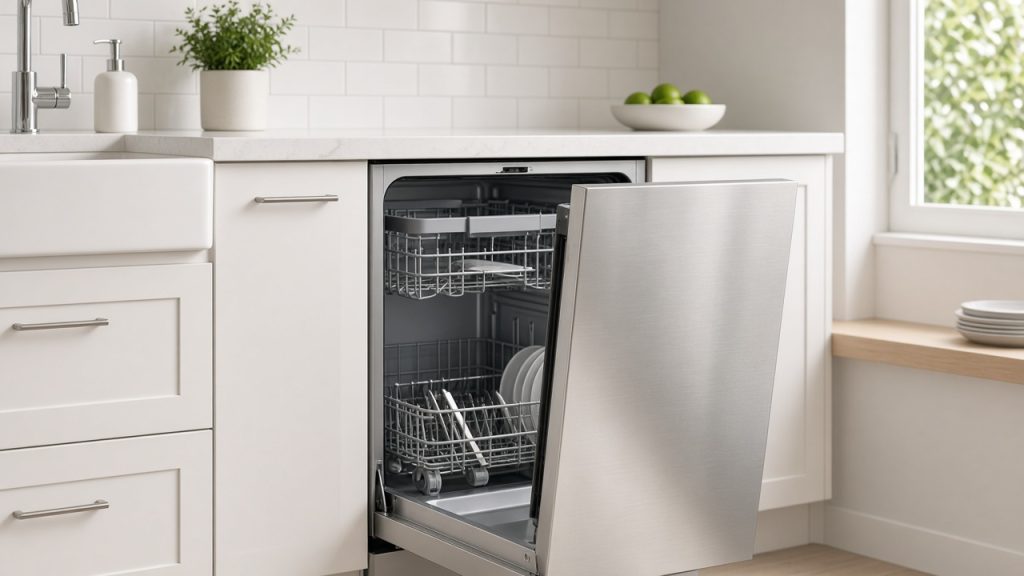
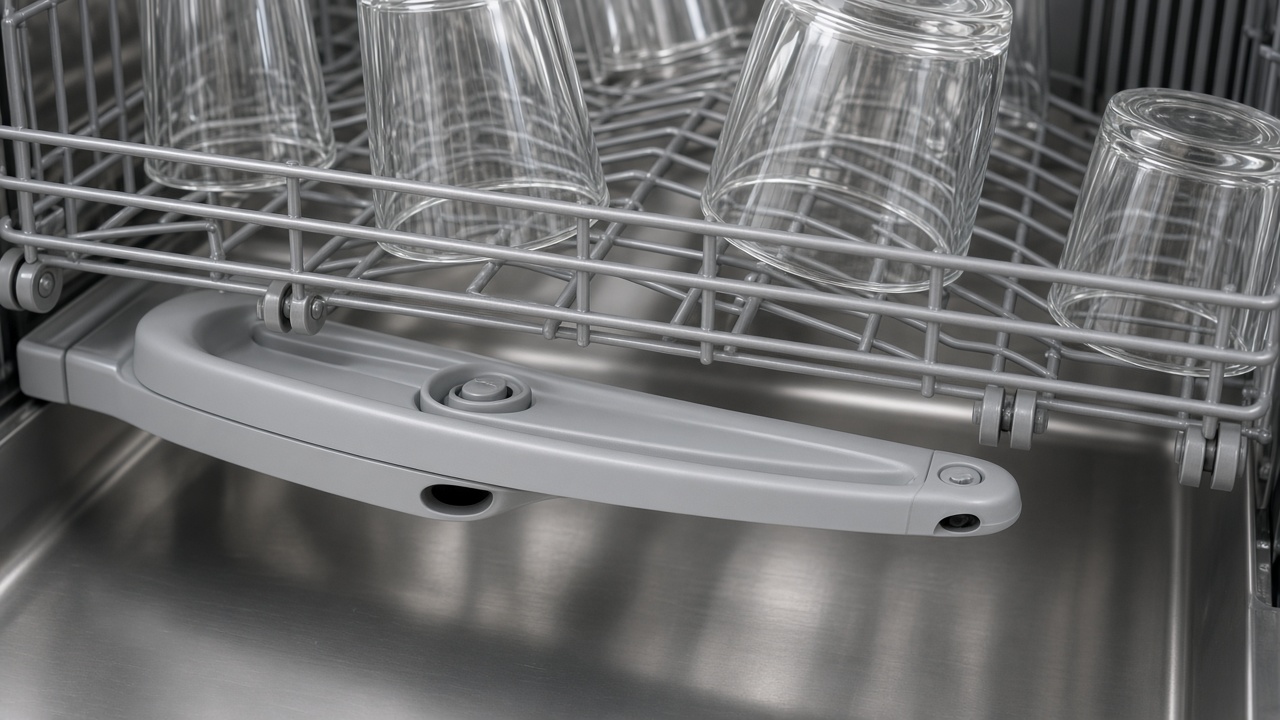
A dishwasher that fills with dirty water or leaves a puddle at the end of a cycle is usually telling you something simple: water cannot leave the tub the way the drain path expects. Before you schedule a service call, walk through the filter, impeller area, and drain hose. Most no-drain problems on recent home dishwashers come from those three places.
Safety and what you need
Turn the unit off at the breaker if you will remove panels or work near the motor. Keep a shallow pan, towels, a soft brush, and the model sticker handy. Avoid harsh drain cleaners inside the dishwasher tub; they can damage seals and plastic parts.
Start with the filter and sump
Pull out the bottom rack. Twist out the cylindrical filter and lift the flat screen if your model uses one. Rinse under warm water and scrub away grease film. Food scrap and glass grit often pack under the screen and starve the drain pump. Reinstall firmly so the filter seats fully; a loose filter can rattle and allow debris back into the pump.
Look into the sump opening with a flashlight. Carefully remove bones, labels, or seeds with pliers. Do not force objects deeper into the impeller.
Check the drain impeller and pump
If the filter is clean but water still sits, the drain impeller may be jammed. On many models you can access a small cover near the sump. Clear soft debris only; if the impeller will not spin freely by hand with power off, stop and call a technician. A humming pump with no water movement often means a blocked impeller rather than a failed control board.
Inspect the drain hose path
Follow the drain hose from the dishwasher to the sink drain or disposal. Confirm the high loop under the counter is still elevated; a sagging hose can siphon or trap sludge. Disconnect the hose at the disposal side into a pan and run a short drain-only cycle if your panel offers one, or start a wash and cancel after a minute to trigger drain. Strong flow into the pan means the dishwasher pump is working and the clog is at the house drain connection. Weak or no flow points back to the pump or an internal hose kink.
- If you have a disposal, run it briefly after clearing the knockout plug area.
- Replace crushed corrugated hose sections that stay flattened.
- Do not raise the hose higher than the underside of the countertop in a way that creates airlock loops beyond the manufacturer diagram.
Air gap and disposal connections
Homes with an air gap on the sink deck can clog at the air-gap cap. Unscrew the cover and clear the plastic body. If water burps from the air gap during drain, clean that path before replacing pumps.
When to stop DIY
Replace the drain pump only after confirming filters and hose are clear and the impeller is free. Error codes for drain timeout differ by brand; photograph the display and check the model-specific list. If the tub leaks while you work, replace door seals rather than overtightening clamps.
Prevention checklist
Scrape plates before loading, empty the filter monthly, and avoid washing labels that peel in heat. Run a hot cleaning cycle with a dishwasher cleaner monthly if you have hard water. Keep the kitchen sink drain clear so the dishwasher is not fighting a shared clog.
Work through filter, impeller, and hose in that order and you will solve most no-drain complaints without guessing at expensive parts. Keep notes of what you cleaned so the next service visit starts with facts instead of speculation.
After any repair, run an empty rinse and watch the floor under the unit for drips. Confirm the kickplate is reinstalled so airflow to the motor stays correct. If the dishwasher drains once then fails again within days, look for recurring grease buildup from high-fat meals or a disposal that was never reconnected with the correct fitting.
Owners who document filter cleanings every four weeks usually see fewer pump failures. Pair that habit with a yearly hose inspection and your dishwasher stays quieter, cleaner, and less likely to leave standing water overnight.
After any repair, run an empty rinse and watch the floor under the unit for drips. Confirm the kickplate is reinstalled so airflow to the motor stays correct. If the dishwasher drains once then fails again within days, look for recurring grease buildup from high-fat meals or a disposal that was never reconnected with the correct fitting.
Owners who document filter cleanings every four weeks usually see fewer pump failures. Pair that habit with a yearly hose inspection and your dishwasher stays quieter, cleaner, and less likely to leave standing water overnight.
After any repair, run an empty rinse and watch the floor under the unit for drips. Confirm the kickplate is reinstalled so airflow to the motor stays correct. If the dishwasher drains once then fails again within days, look for recurring grease buildup from high-fat meals or a disposal that was never reconnected with the correct fitting.
Owners who document filter cleanings every four weeks usually see fewer pump failures. Pair that habit with a yearly hose inspection and your dishwasher stays quieter, cleaner, and less likely to leave standing water overnight.
After any repair, run an empty rinse and watch the floor under the unit for drips. Confirm the kickplate is reinstalled so airflow to the motor stays correct. If the dishwasher drains once then fails again within days, look for recurring grease buildup from high-fat meals or a disposal that was never reconnected with the correct fitting.
Owners who document filter cleanings every four weeks usually see fewer pump failures. Pair that habit with a yearly hose inspection and your dishwasher stays quieter, cleaner, and less likely to leave standing water overnight.