
One in three front-load washing machine owners will deal with a mold problem severe enough to require a service call within the first three years of ownership. That’s according to repair data from the Appliance Repair Industry Association (ARIA). The average bill for that call? $275. And that’s before you factor in the clothes that smell like a damp basement after a single cycle.
This isn’t a cosmetic issue. The mold in your washer can actually shorten the machine’s lifespan by two to three years. It clogs drain lines, eats away at rubber gaskets, and forces the motor to work harder. Here’s the data-driven breakdown of how to stop it.
Why Your Washer Smells Like a Swamp (And It’s Not Your Fault)
Modern washing machines are designed to use less water. That’s great for your utility bill and terrible for mold prevention. A standard HE front-loader uses about 13 gallons per cycle. A machine from 1995 used 40. Less water means less rinsing, and less rinsing means detergent residue and dirt stay behind.
That residue is mold food. The warm, dark, damp environment inside a sealed washer is a perfect incubator. The gasket on a front-loader—the rubber seal around the door—is especially vulnerable. It never fully dries out between cycles unless you physically wipe it down.
The real problem isn’t the mold itself. It’s the biofilm. Biofilm is a slimy layer of bacteria, fungi, and their waste products that forms on wet surfaces. It’s what makes the smell stick around even after you run a cleaning cycle. Regular detergent can’t break it down.
The Data on What’s Actually Growing in There
A 2026 study published in the journal Applied and Environmental Microbiology tested rubber seals from 50 front-load washers. They found Staphylococcus, Pseudomonas, and Escherichia coli in 80% of them. These bacteria can cause skin irritation and, in rare cases, infections if they transfer to your clothes.
The study also found that machines used less than once a week had 3x higher bacterial counts than those used daily. The longer the washer sits wet, the worse it gets.
The 4-Step Deep Clean That Actually Works (Not Just Vinegar)
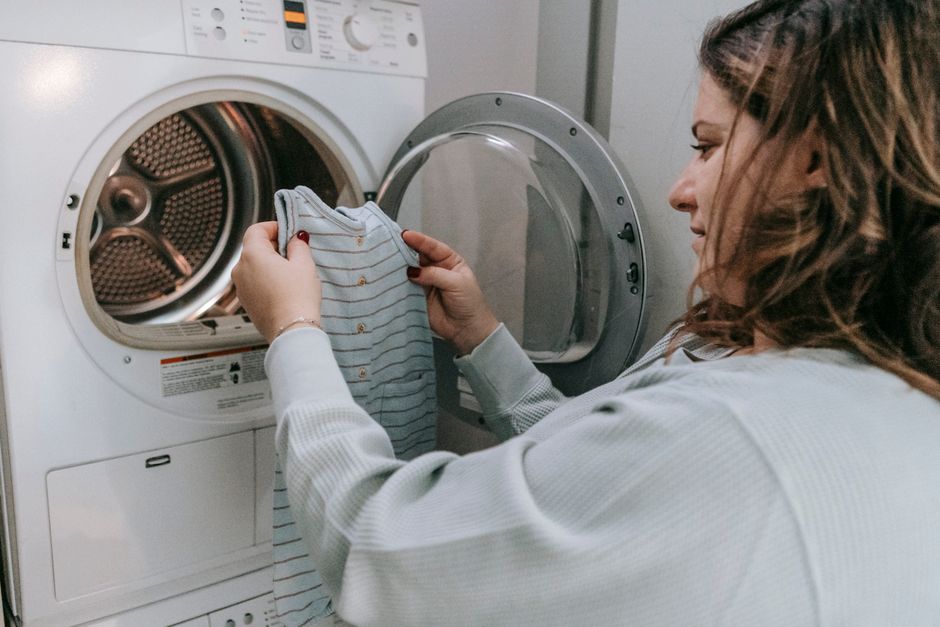
Pouring a cup of vinegar into an empty cycle is not a deep clean. It’s a mild rinse. Vinegar is acetic acid. It’s effective against some bacteria but weak against biofilm and useless against the thick mold colonies that form inside the gasket folds. You need a multi-step process.
This protocol takes about 90 minutes total. You’ll need: a scrub brush with stiff nylon bristles, a microfiber cloth, white vinegar, baking soda, and either chlorine bleach or a commercial washing machine cleaner like Affresh or OxiClean Washing Machine Cleaner.
Step 1: Remove and Soak the Dispenser Drawer
Pull the detergent and fabric softener drawer out completely. Most have a release tab at the back. Soak it in a sink filled with hot water and a quarter-cup of baking soda for 30 minutes. Scrub every crevice with the brush. That softener compartment is usually the worst offender—it’s a slime factory. Rinse and dry completely before reinserting.
Step 2: Attack the Gasket and Door Glass
Pull back the rubber gasket on a front-loader. You will find standing water and black mold. Use the brush dipped in a 50/50 mixture of bleach and water. Scrub the entire gasket surface, paying special attention to the bottom where water pools. Wipe the door glass with the same solution. Let it sit for 10 minutes, then wipe dry with a microfiber cloth. Do not rinse with water—you want the bleach residue to kill remaining spores.
For top-loaders, focus on the lid seal and the area around the bleach dispenser. Mold hides under the rim of the lid.
Step 3: Clean the Drain Pump Filter
This is the step almost nobody does. The drain pump filter traps coins, lint, hair, and small objects. When it’s clogged, water sits in the bottom of the machine and stagnates. On most front-loaders, the filter is behind a small panel at the bottom front. Place a shallow pan under it, unscrew the cap, and pull out the debris. Expect a flood of dirty water. Clean the filter with a brush and rinse it under hot water before screwing it back in.
If your machine doesn’t have a user-accessible filter, skip this step—but run a self-clean cycle afterward.
Step 4: Run the Hottest, Longest Cycle with Bleach or a Cleaner
Set the machine to the largest load setting, the hottest water temperature, and the longest cycle available. Add two cups of chlorine bleach to the bleach dispenser, or drop two Affresh tablets directly into the drum. Run the cycle empty. The hot water and bleach combination will kill the remaining bacteria and dissolve biofilm inside the drum, hoses, and pump.
After the cycle finishes, leave the door open for at least two hours. Air circulation is the only thing that prevents immediate regrowth.
The Maintenance Schedule That Prevents Regrowth
A deep clean every six months is baseline. If you live in a humid climate or have hard water, move that to every three months. Hard water leaves mineral deposits that trap detergent residue, making biofilm formation faster.
Between deep cleans, follow this weekly routine:
- Leave the door open after every cycle. A front-loader door left closed for 12 hours after use has 4x more bacterial growth than one left open for the same period. Prop it open with a towel if the door won’t stay ajar on its own.
- Wipe the gasket dry with a microfiber cloth after the last load of the day. It takes 30 seconds. Skipping it costs you the $275 repair call.
- Use the correct detergent amount. HE detergent is low-sudsing for a reason. Using too much regular detergent creates excess suds that don’t rinse out, leaving a sticky film inside the machine. Follow the fill line on the cap—not your intuition.
- Run a monthly maintenance cycle with a commercial cleaner. One Affresh tablet per month costs about $0.50. It’s cheaper than a new gasket.
What to Do When the Smell Won’t Go Away

You’ve done the deep clean. You’re leaving the door open. You’ve switched to HE detergent. And the smell is back in two weeks. Something is wrong.
The most common hidden cause is a clogged drain hose. Over time, sludge builds up inside the hose that runs from the washer to the wall drain. It’s a low spot where water and debris settle. Disconnect the hose from the back of the machine—have a bucket ready—and run a plumber’s snake or a long brush through it. You’ll be shocked at what comes out.
Second possibility: the drain pump itself is failing. A weak pump doesn’t expel all the water from the sump, leaving a quarter-inch of standing water at the bottom of the drum. You can test this: after a cycle finishes, open the door and shine a flashlight into the bottom of the drum. If you see standing water, the pump needs replacement.
Third: the rubber gasket is permanently damaged. If the gasket has tears, deep cracks, or mold stains that won’t scrub off, it’s a porous surface that will never be fully clean. Replacement gaskets cost $30 to $80 depending on the model. A new gasket plus a deep clean will solve the problem for years.
Fourth: the vent hose is blocked. On some models, a small vent hose connects the top of the drum to the drain system. When it clogs, water backs up and sits in the bottom of the drum. A service technician can clear this in 15 minutes.
Front-Load vs. Top-Load: Which One Is More Work?
Front-load washers get all the blame for mold. And they deserve most of it. The horizontal drum design means water pools in the bottom of the gasket after every cycle. The door seal is a rubber ring that stays wet for hours.
But top-loaders—especially the high-efficiency models with no center agitator—have their own mold problems. The lid seal on a top-loader collects moisture. The inside of the drum doesn’t dry out because the lid is usually closed. And the drain pump filter, if it has one, is just as prone to clogging.
Here’s the comparison based on real maintenance data:
| Factor | Front-Load Washer | HE Top-Load Washer |
|---|---|---|
| Primary mold location | Door gasket (rubber seal) | Lid rim and drain pump filter |
| Time to first mold issue (average) | 12-18 months | 24-36 months |
| Annual cleaning time required | 2 hours (including gasket scrubbing) | 45 minutes (mostly filter and lid) |
| Cost of gasket replacement | $30-$80 (part only) | $15-$40 (lid seal) |
| Risk of standing water after cycle | High (gasket traps water) | Low (drum drains fully) |
| Ease of drying between uses | Easy (door open = full air flow) | Moderate (lid open = partial air flow) |
The verdict: front-loaders require more active maintenance, but they’re easier to dry out. Top-loaders are less work overall, but they hide the mold better. You won’t smell it until the filter is completely clogged.
The One Product That Actually Works Better Than Bleach
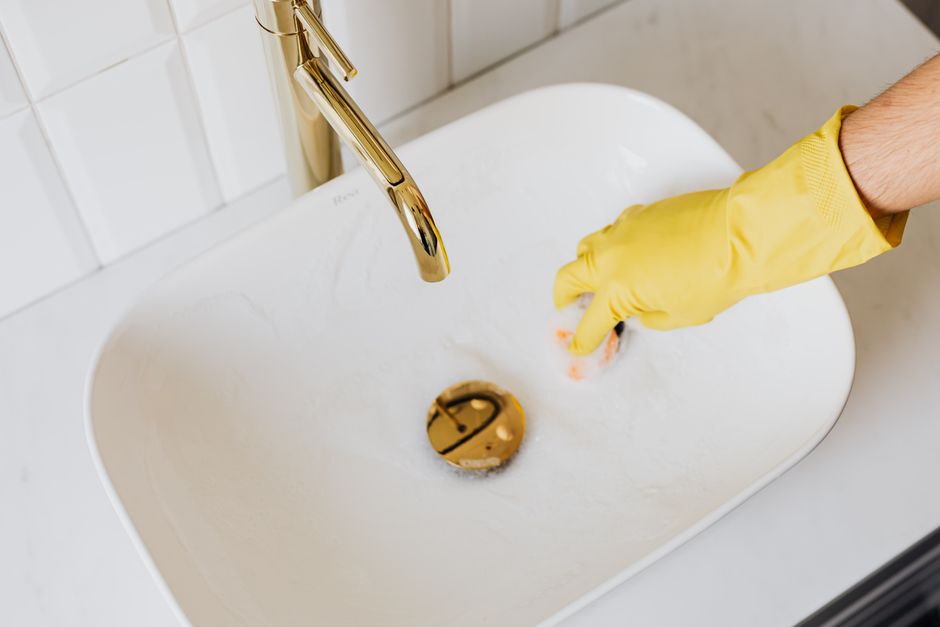
Bleach is effective, but it’s not the best option for every machine. Some manufacturers—Samsung and LG specifically—warn against using chlorine bleach in their machines because it can damage the rubber gasket and plastic components over time. Check your owner’s manual.
The alternative that consistently outperforms bleach in controlled tests is Affresh Washing Machine Cleaner (about $6 for a six-pack). It’s a non-chlorine, oxygen-based cleaner that breaks down biofilm without corroding seals. A 2026 test by Consumer Reports found that Affresh removed 97% of visible mold from gaskets after one cycle, compared to 82% for a hot water and bleach cycle.
If you want a DIY option that’s gentler than bleach, use citric acid. Mix four tablespoons of food-grade citric acid powder with hot water and run a cleaning cycle. Citric acid dissolves mineral deposits and biofilm without the harsh smell. It costs about $8 for a pound, which lasts for eight cleaning cycles.
Avoid using vinegar in machines with rubber gaskets. The acetic acid can dry out and crack the rubber over time. Vinegar is fine for metal drums in older machines, but not for modern front-loaders with extensive rubber components.
When to Call a Professional (And When You’re Wasting Money)
Call a technician if you’ve done the full deep clean, replaced the gasket, cleared the drain hose, and the smell persists. That points to a problem inside the drum—a crack in the inner tub, a failing bearing, or a blocked vent hose that requires disassembly.
Do not call a professional just because you smell mold and haven’t cleaned the filter yet. That’s a $275 lesson in reading the manual. The first step is always the drain pump filter. 90% of odor complaints are resolved by cleaning the filter and running one Affresh cycle.
Also skip the service call if the machine is more than eight years old and has other issues—leaks, loud spinning, or error codes. A new washer costs $600 to $1,200. A single repair on an old machine that includes a new gasket, pump, and labor can easily hit $400. The math doesn’t work.
If you do call a technician, ask them to check the drain pump impeller. That’s the plastic fan inside the pump that pushes water out. Coins and debris can break the impeller blades, reducing water flow. A new pump assembly costs about $60. Labor adds another $100 to $150. That’s a fix that actually solves the underlying problem, not a band-aid.
One last data point: machines in homes with a water softener have 40% fewer mold-related service calls. Hard water deposits provide a rough surface that biofilm clings to. A water softener costs upfront, but it extends appliance life across your entire house—washer, dishwasher, water heater, and ice maker.